
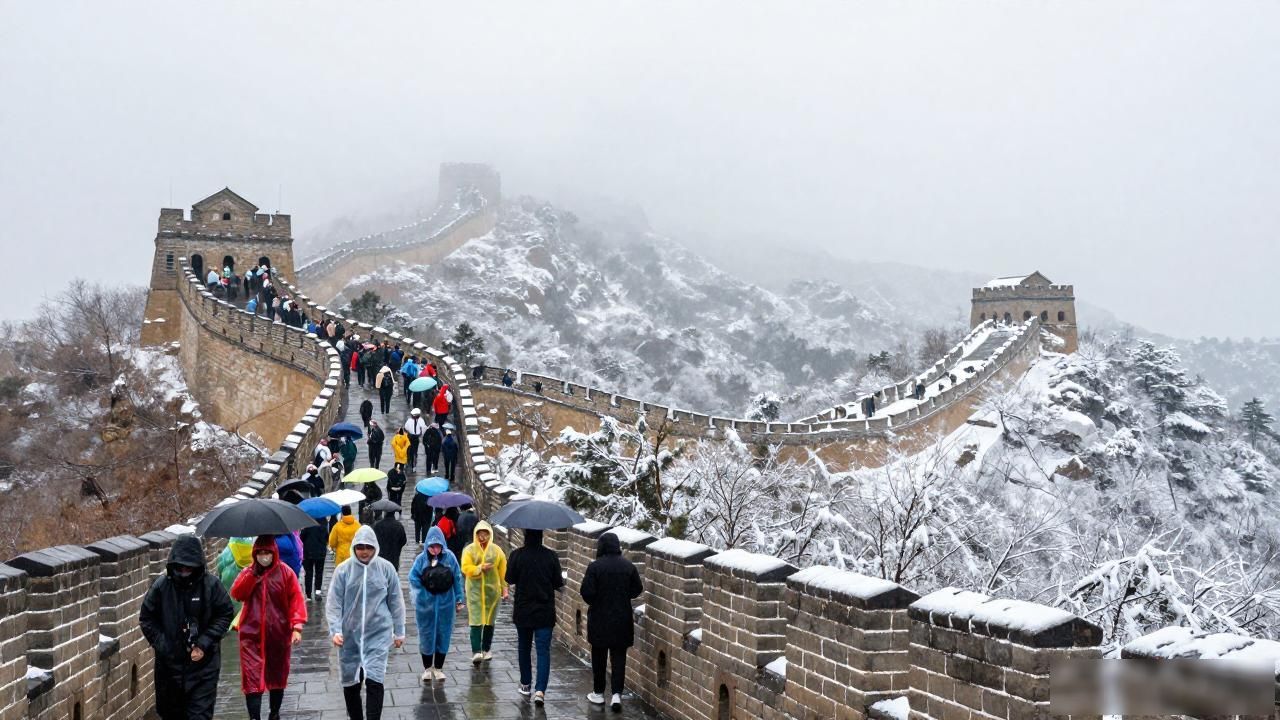
The Great Wall of China stretches across thousands of miles of mountain ridges, valleys, and deserts—a monumental testament to ancient engineering and imperial ambition. For millions of visitors each year, this iconic landmark offers not just stunning views but a profound connection to over two millennia of history. Whether you’re a first-time traveler to China or a seasoned history buff, understanding what makes the Great Wall so extraordinary will transform your visit from a simple sightseeing stop into an unforgettable experience.
Best Time to Visit Great Wall of China
Spring and autumn remain the most popular seasons for exploring the wall, with April through May and September through October delivering comfortable temperatures and clear skies. These months strike an ideal balance between avoiding the scorching summer heat and the biting winter cold that can make certain sections dangerously slippery. September typically emerges as the peak month when crowds thin slightly yet weather conditions remain consistently pleasant.

Summer visits bring intense humidity and frequent rainstorms, particularly in Beijing’s surrounding areas. July and August also coincide with domestic tourism holidays, meaning sections near the capital can become overwhelmingly crowded. Winter offers a different kind of beauty—snow-capped walls winding through barren landscapes create some of the most photographed scenes—but only the restored sections like Mutianyu remain safely accessible during heavy snowfall.
Local events and festivals throughout the year can influence crowd patterns significantly. The Chinese National Day holiday in early October sees massive domestic travel surges, while Spring Festival periods see fewer foreign tourists but unpredictable business hours. Planning your visit around these calendar considerations helps ensure a more peaceful and rewarding experience along the ancient fortifications.
Great Wall of China: What to Expect When You Go
The Great Wall is not one continuous structure but rather a network of walls,watchtowers, and fortifications built across different dynasties. Most visitors explore sections near Beijing, with Badaling being the most restored and accessible, while Mutianyu offers a beautiful balance of restoration and natural setting. Jinshanling and Simatai attract hikers seeking longer treks across unrestored, rugged terrain that feels authentically ancient.

Understanding what each section offers helps travelers match expectations with reality. Badaling accommodates large tour groups and features elevators and cable cars, making it accessible but commercialized. Mutianyu requires climbing roughly 23 watchtowers but rewards visitors with forest-covered ridgelines and fewer crowds. The wild sections demand physical fitness, proper footwear, and sometimes guides, but provide an untamed, dramatic landscape that most photographs cannot capture adequately.
Practical preparation matters enormously for a comfortable visit. Sturdy walking shoes, sunscreen, and water become essential equipment regardless of season. Many sections lack shade and vendor facilities, so packing snacks and staying hydrated proves important. Cell phone reception can be unreliable along remote stretches, so downloading offline maps and informing someone of your planned route represents prudent preparation.
How to Plan Your Great Wall of China Trip
Organizing transportation from Beijing involves several viable options depending on budget and flexibility preferences. Tour buses depart daily from central locations and include entry fees, making them convenient despite fixed schedules. Private car hires offer door-to-door service and itinerary customization for larger groups willing to pay premium rates. Train services to nearby stations exist but require additional taxi connections and less predictable timing.

Booking entrance tickets online through official platforms saves considerable waiting time during peak seasons. Multi-day China visa requirements should factor into advance planning well before travel dates. Combination tickets covering multiple Great Wall sections alongside other Beijing attractions like the Forbidden City often provide better value than purchasing individually.
Local guides versus audio guide apps represent another planning decision worth considering. Certified guides enrich understanding through historical context, architectural details, and anecdotes that simply viewing the wall cannot provide. Audio guides offer flexibility and lower cost but require personal initiative to engage meaningfully with the monument’s layered history.
The Great Wall of China stands as humanity’s most ambitious defensive construction project, spanning over 13,000 miles of walls across northern China. No single visit can capture its full scope, but exploring even one section offers perspective on ancient military strategy, architectural achievement, and cultural perseverance that spans centuries. Thoughtful planning regarding timing, section selection, and preparation transforms this once-in-a-lifetime destination into an experience that resonates long after descending from the mountain ridges.