
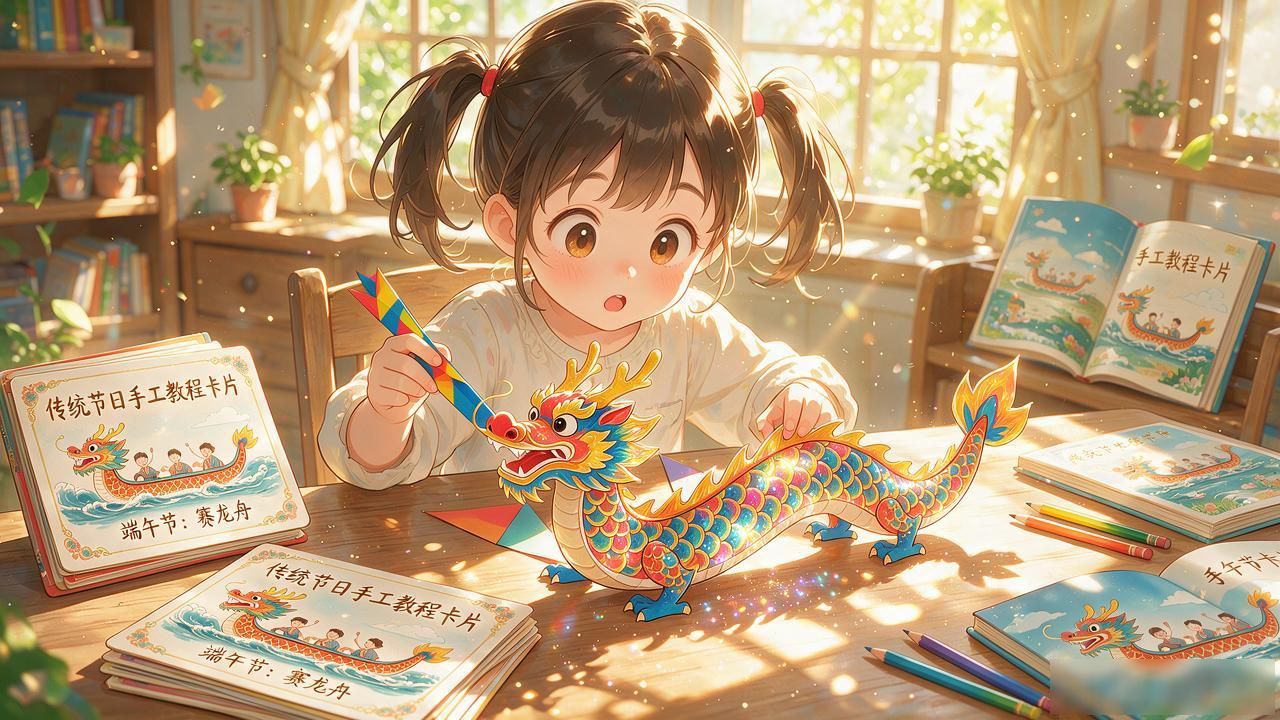
Bringing traditional festivals into a Western classroom or living room is not just about decorating with lanterns or tasting dumplings. The real challenge is finding quality educational resources that go beyond surface-level facts. I have spent the past decade helping teachers and parents navigate this gap, and what I keep coming back to is this: the best resources make children do something, not just read about something.
Why Festival Resources Make Kids Learn Better

A child who folds a paper dragon while hearing the Legend of the Dragon Boat races sticks that story in her brain far longer than one who reads a paragraph about it. Traditional festivals educational resources that include hands-on craft instructions, recipe cards, and short animated clips tap into kinesthetic and visual learning simultaneously. The knowledge stops being abstract. It lives in the sticky mess on the kitchen counter and the crumpled red paper on the desk.
The other thing I have noticed: when kids can compare a festival to their own holidays, the cultural understanding clicks. A resource that pairs Mid-Autumn Festival with Thanksgiving, or the Lantern Festival with Mardi Gras, gives them a bridge to build on. Without that bridge, the festival stays as a foreign trivia fact in the back of a textbook.
Where to Find Festival Educational Materials
Start with your local library’s cultural collections. Many branches in North America and Europe now maintain a “global heritage” shelf that includes printable activity packets tied to specific festivals. Ask the librarian for the Chinese New Year STEAM kits or the Diwali craft bundles—these are curated by working educators and come with teacher notes on differentiation by age.
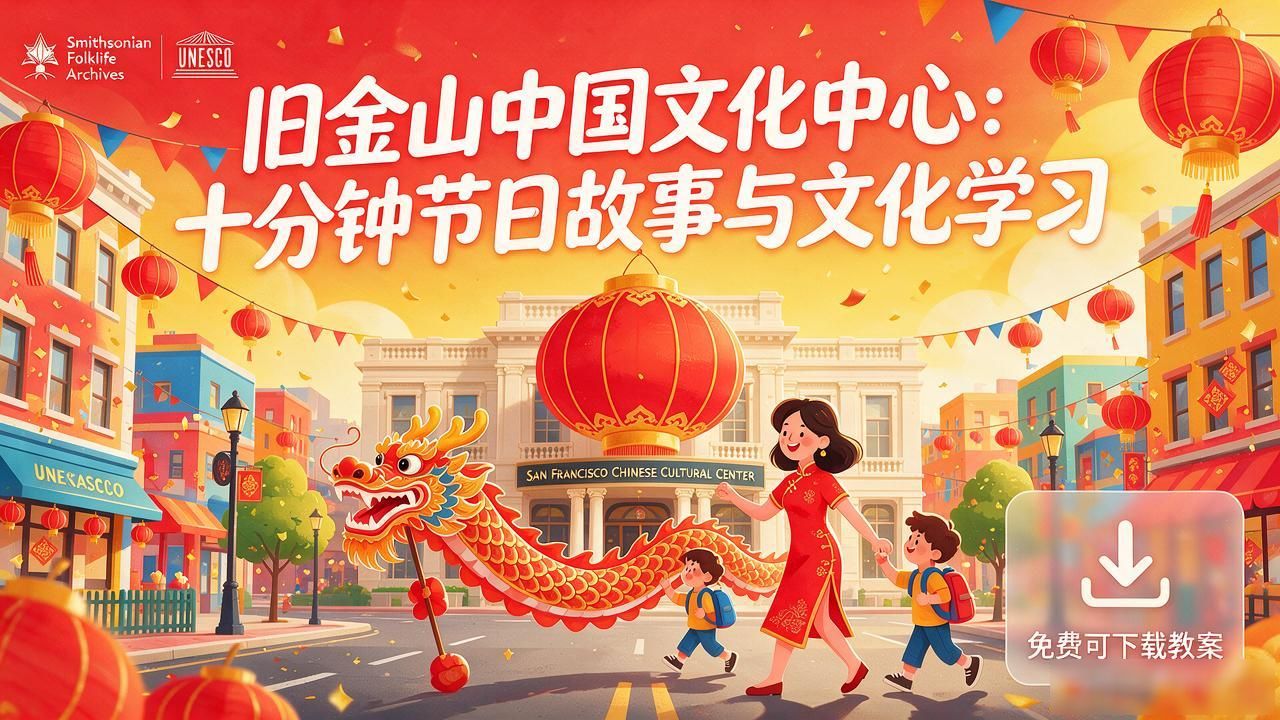
Online, the Smithsonian Folklife Archives and UNESCO’s Intangible Heritage portal offer free downloadable lesson plans. For younger children, YouTube channels run by cultural centers, like the one out of the San Francisco Chinese Cultural Center,have ten-minute episodes that pair a festival story with a simple craft you can do with household items. I keep a shared folder of these for the families I consult with.
The internet makes it easy to find clips of fire dragon dances or tanghulu making, but the real value sits in the structured, age-appropriate packets that a teacher can hand to a student and say, “Make this, then write three sentences about why this festival exists.” That structure is what turns a fun activity into actual learning that sticks.