
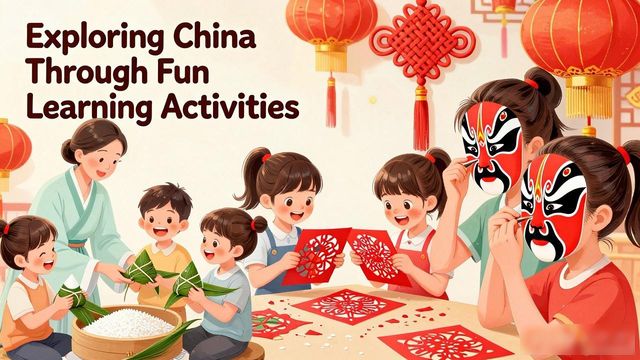
Chinese culture educational activities offer a window into one of the world’s oldest and richest civilizations. These experiences go beyond textbooks, helping participants understand traditions, values,and daily life in a hands-on way. Whether you are a teacher, a traveller, or a curious learner, engaging with these activities builds genuine cultural awareness.

What hands-on activities help learners understand Chinese culture
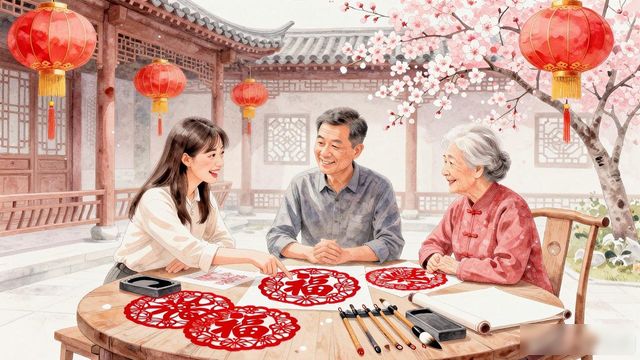
Practical experiences are the most effective way to grasp cultural nuances. Calligraphy workshops allow participants to hold a brush and feel the rhythm of strokes, connecting them directly to the philosophy behind every character. Tea ceremonies teach not just brewing techniques but the respect for nature and patience required in the process. Cooking classes for dumplings or mooncakes reveal the significance of family and festivals in Chinese life. These activities make abstract concepts tangible. A learner who tries writing their name in Chinese or making a simple knot will remember the cultural meaning longer than any lecture could deliver.
How to choose the right Chinese culture activity for your group
Selecting the right activity depends on your audience’s age, interests, and goals. For younger children, storytelling sessions paired with dragon dance masks or paper folding are engaging and low-pressure. For teenagers or adults, deeper dives like martial arts demonstrations or traditional music lessons create a richer understanding. Business professionals might benefit from language etiquette workshops or exploring the concept of guanxi through role-play. Always consider the physical space and time available. A short session focusing on one craft is often better than a rushed overview of many. The key is to match the activity’s depth with the group’s readiness to absorb.
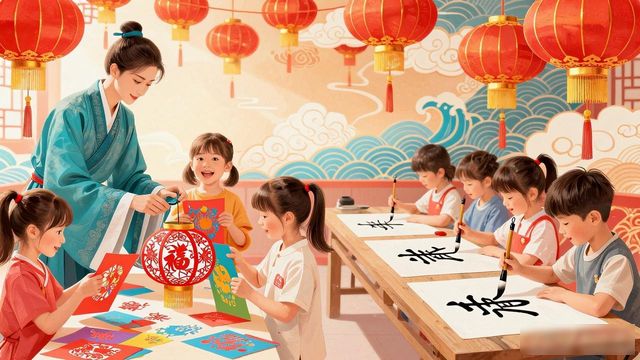
Chinese culture educational activities transform curiosity into appreciation. They break down barriers and create shared experiences that language alone cannot achieve. When designed thoughtfully, these activities leave lasting impressions. Participants not only learn facts but also feel the heartbeat of a culture. The real success is when a visitor returns home carrying not just souvenirs, but a new perspective.