
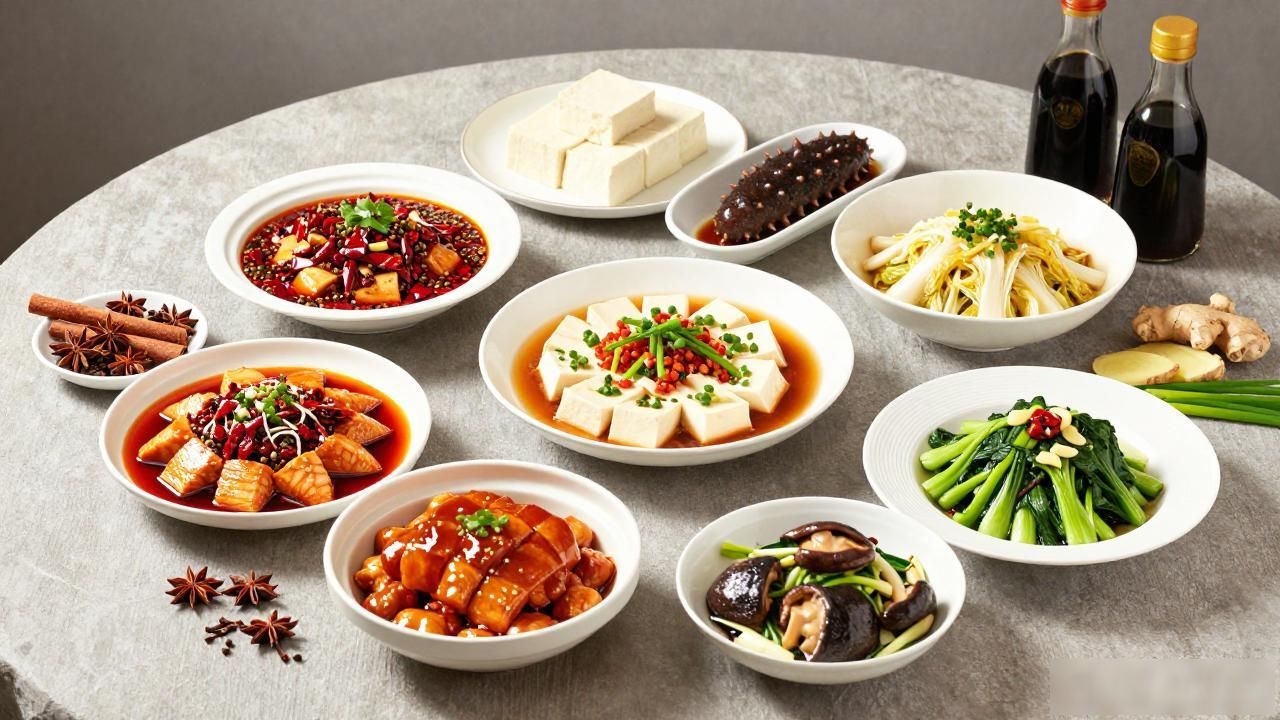
Vegetarian Chinese cuisine is far more than stir-fried broccoli and a block of tofu. It is a whole tradition of plant-based cooking rooted in Buddhist temple kitchens and regional food practices across China. Most Western home cooks genuinely underestimate how deeply flavorful this style of cooking can be without a single animal product on the plate.
what is vegetarian Chinese cuisine

At its core, vegetarian Chinese cuisine depends on five-spice blends, soy-based umami, and careful layering of aromatics like fresh ginger, scallion, and dark soy. Dishes from Sichuan, Shandong, and Zhejiang provinces all carry dedicated vegetarian versions that hold just as much regional punch as their meat-based originals. You are not settling for a lesser version of the same dish; you are tasting the dish as it was cooked in monasteries for a thousand years.
Think mock duck braised slowly in hoisin and star anise, jujube-infused congee, and dry-fried green beans with a heavy hit of chili flakes that stand up to any meat plate. The technique and seasoning depth matter far more than the protein source. A good wok hei, that smoky breath of the wok, on your vegetables makes the whole dish sing.
how to cook vegetarian Chinese cuisine
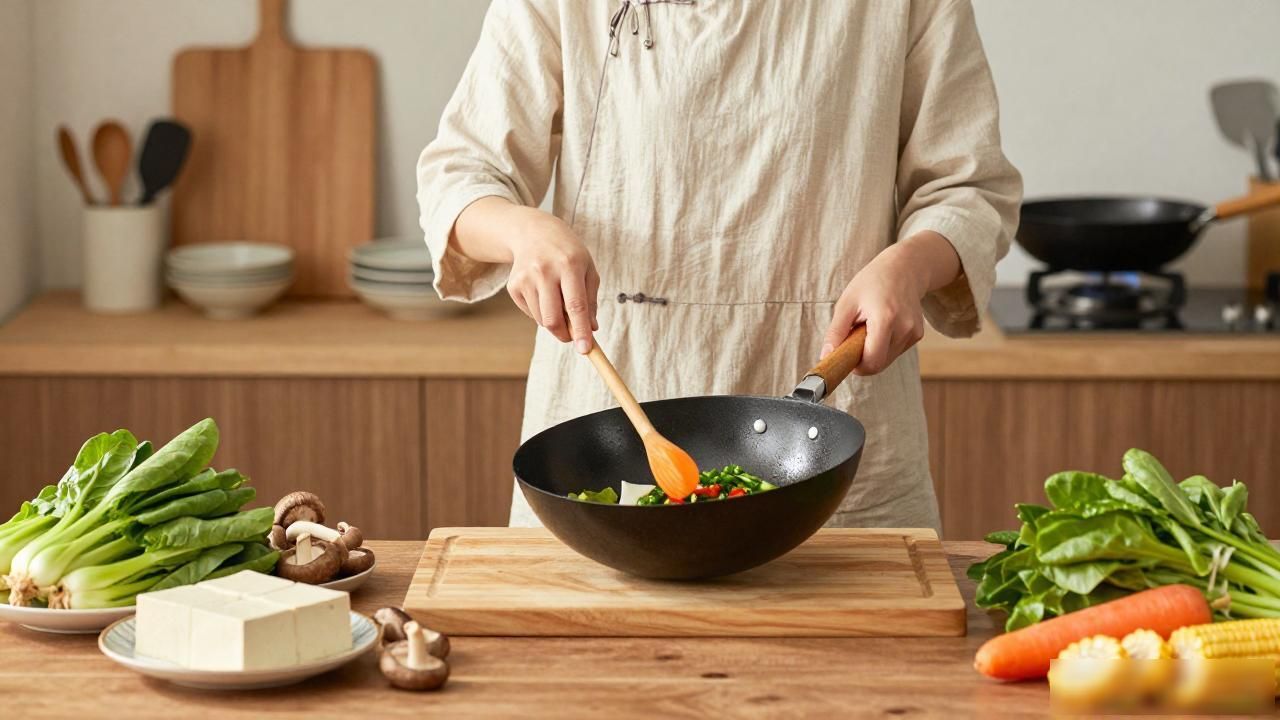
Start with a wok over genuinely high heat. Aromatics go ahead of everything else in the pan: minced garlic, thin-sliced ginger, a quick splash of Shaoxing rice wine to deglaze. Vegetables hit the pan in order of density—carrots and potatoes before bok choy and snap peas. A tablespoon of dark soy plus a small spoon of maple syrup replaces the savory depth you would normally pull from meat. The whole stir-fry takes under twelve minutes once the wok is screaming hot.
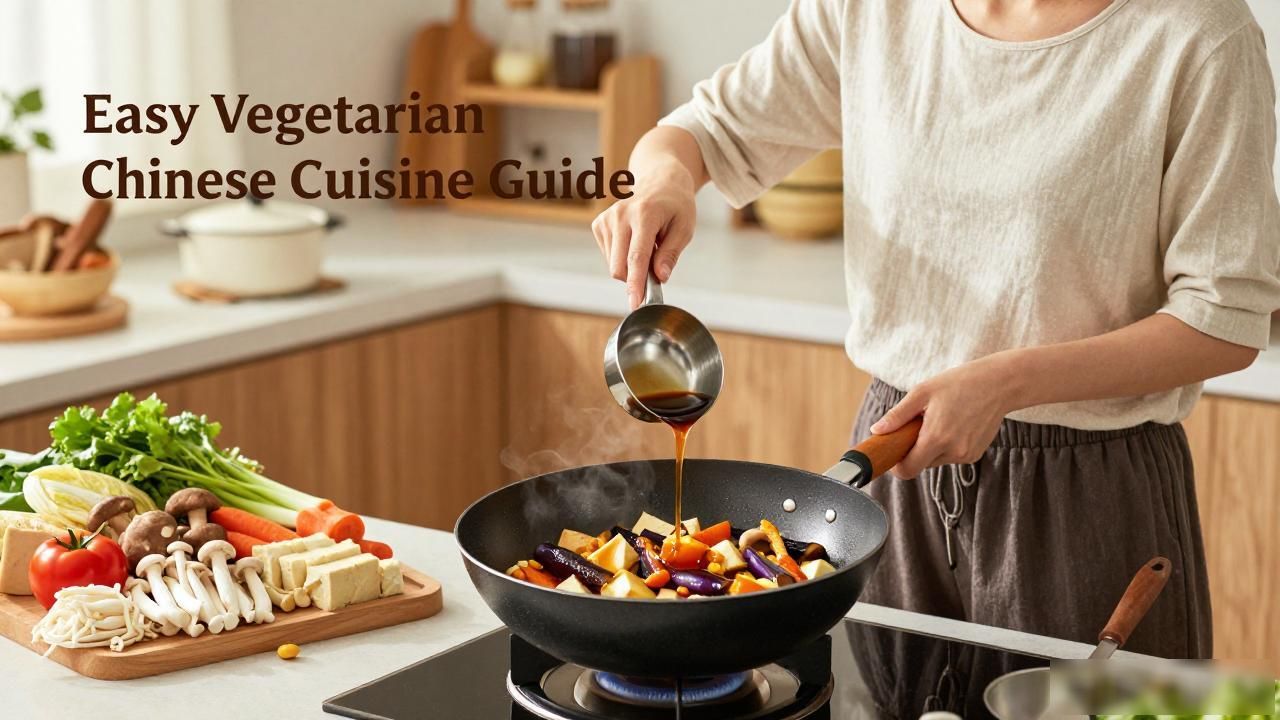
For braised and simmered dishes, grab a bottle of vegan oyster sauce; it builds that sticky,glossy finish without any hidden animal ingredients. Never skip the cornstarch slurry at the very end. That thin coating is what makes every ingredient taste intentional rather than raw. A quick test: if your sauce clings to the back of a spoon, you are done.
The next time you fire up the wok, swap the chicken for silken tofu cubes and the usual stir-fry for a bowl of black-bean pak choy with a crack of dark vinegar on top. Vegetarian Chinese cuisine rewards the home cook who takes three extra minutes with the aromatics. Your Tuesday dinner just got a whole lot more interesting, and so does Wednesday.