
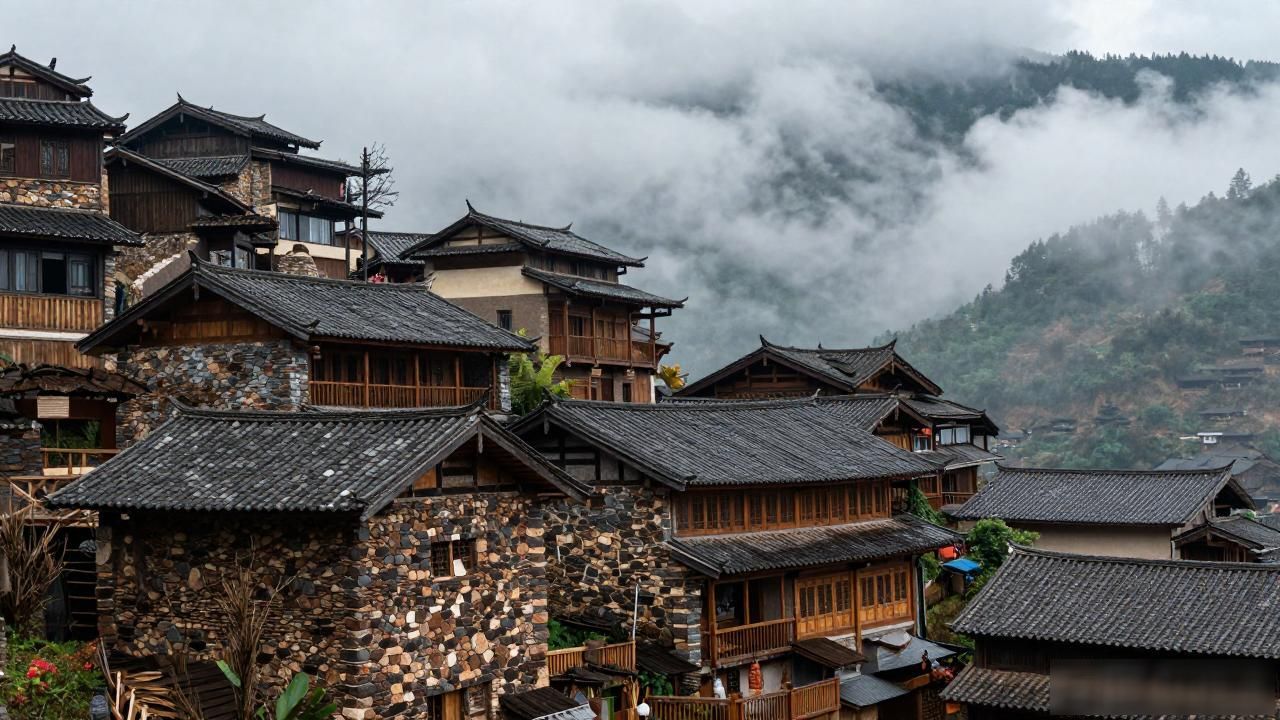
The ancient Tea Horse Road was never just a trade route; it was a lifeline carved into the rugged terrain of Southwest China, connecting the tea plantations of Yunnan and Sichuan with the high pastures of Tibet. For modern travelers seeking authenticity beyond the polished tourist traps, a visit to a preserved Tea Horse Road village offers a rare glimpse into this storied past. These villages are living museums where cobblestone paths worn smooth by centuries of mule hooves tell stories of commerce, culture, and survival. Understanding the historical significance and the current state of these settlements is crucial for anyone planning an immersive journey into China’s remote highlands.
What makes a Tea Horse Road village unique?

Stepping into a traditional village along this historic caravan route feels like time has paused. The architecture is distinct, often featuring thick stone walls and wooden structures designed to withstand harsh mountain weather while providing insulation against the cold. Unlike modern cities, these settlements maintain a rhythm dictated by nature and tradition rather than industrial clocks. You will see locals still engaging in age-old practices, from processing Pu’er tea to weaving textiles using methods passed down through generations. This continuity creates an atmosphere that is both serene and deeply rooted in history.
The cultural blend is another defining characteristic. As a crossroads for Han Chinese, Tibetan, Yi, and Naxi peoples,these villages exhibit a fascinating mix of customs, languages, and religious beliefs. Temples and monasteries often stand alongside shrines dedicated to local deities, reflecting a syncretic spiritual landscape. Visitors can witness festivals where these diverse traditions merge, offering a vibrant display of music, dance, and communal feasting. It is a place where diversity is not just tolerated but celebrated as part of the collective identity.
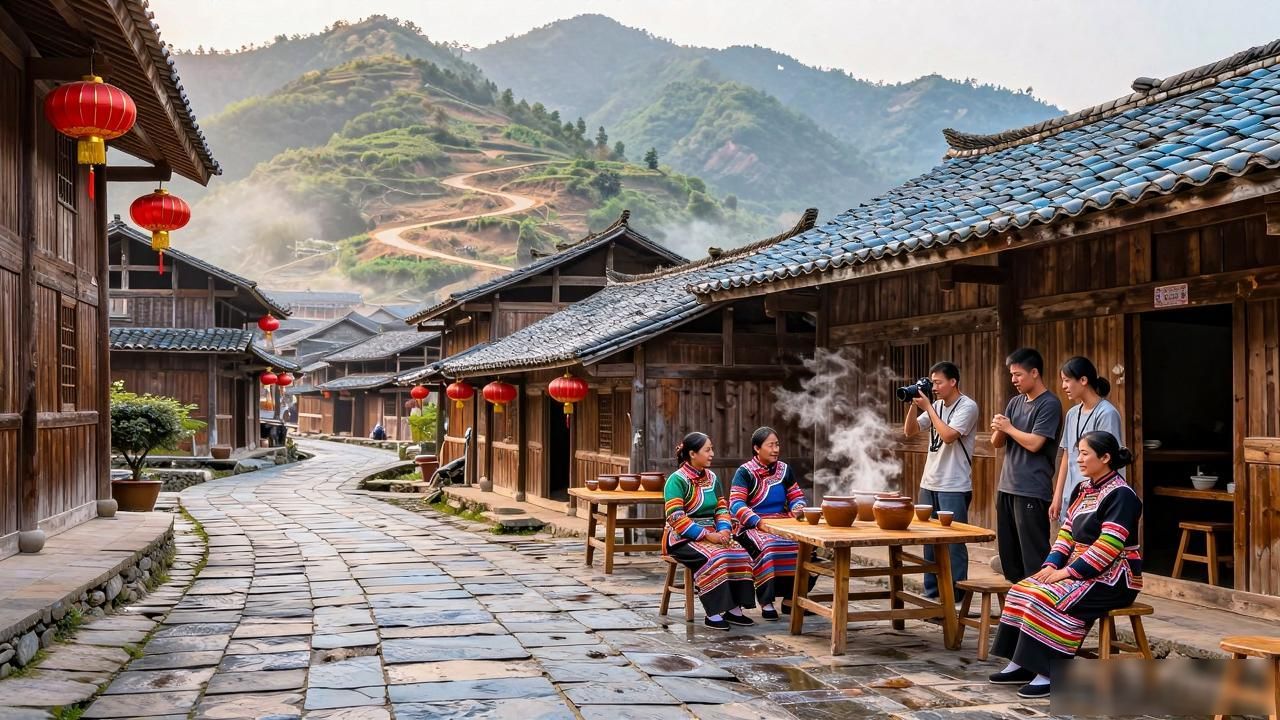
How to visit and experience the village today?
Planning a trip requires patience and respect for the local infrastructure. Many of these villages are located in remote areas with limited transportation options, often necessitating a combination of bus rides and hiking. Travelers should prepare for basic accommodations that prioritize cleanliness and warmth over luxury. Engaging with local hosts is highly recommended, as they often provide invaluable insights into the area’s history and hidden gems that guidebooks might miss. This personal connection transforms a simple sightseeing trip into a meaningful cultural exchange.
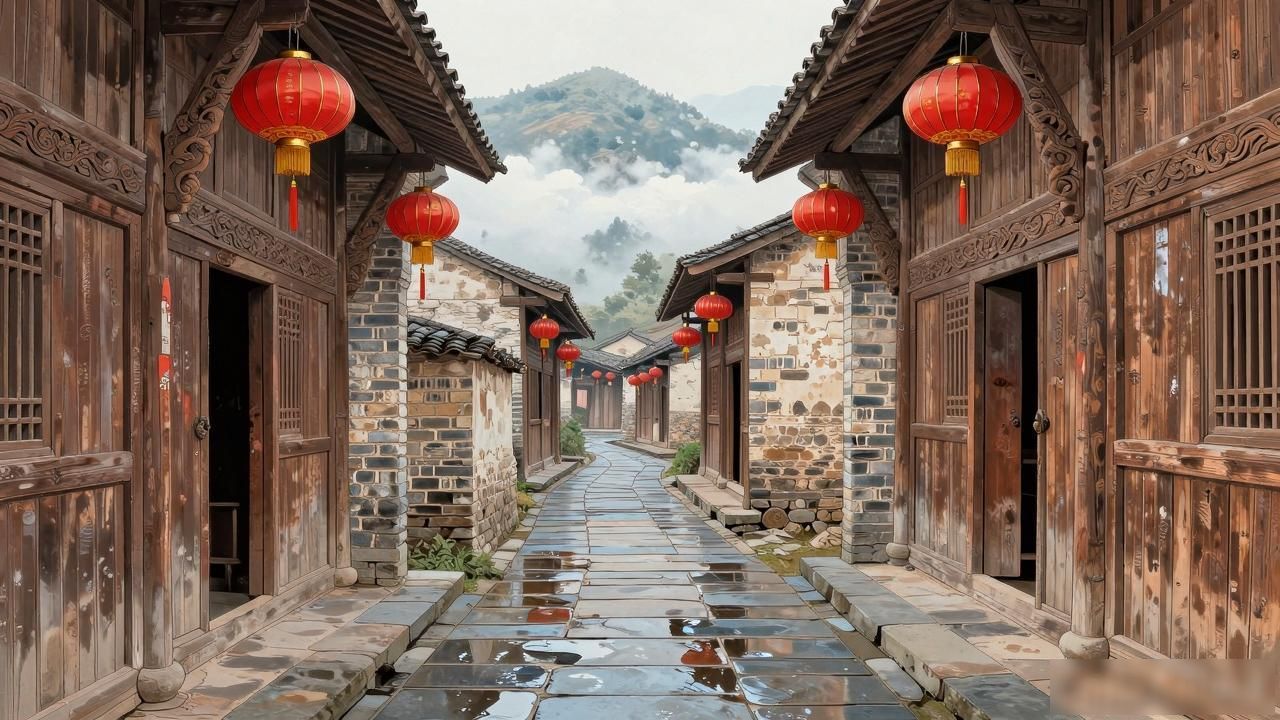
To truly appreciate the essence of the village, spend time walking its narrow alleys without a strict itinerary. Visit local teahouses to taste authentic aged tea, which carries the flavor of the region’s soil and climate. Support local artisans by purchasing handmade crafts directly from their workshops. By slowing down and immersing yourself in the daily life of the villagers, you contribute to the preservation of their heritage while gaining a profound understanding of the enduring spirit of the Tea Horse Road.
Thank you for the information that has been shared! This article is very useful and provides valuable insights for readers. What is the main purpose of the discussion in this article?