
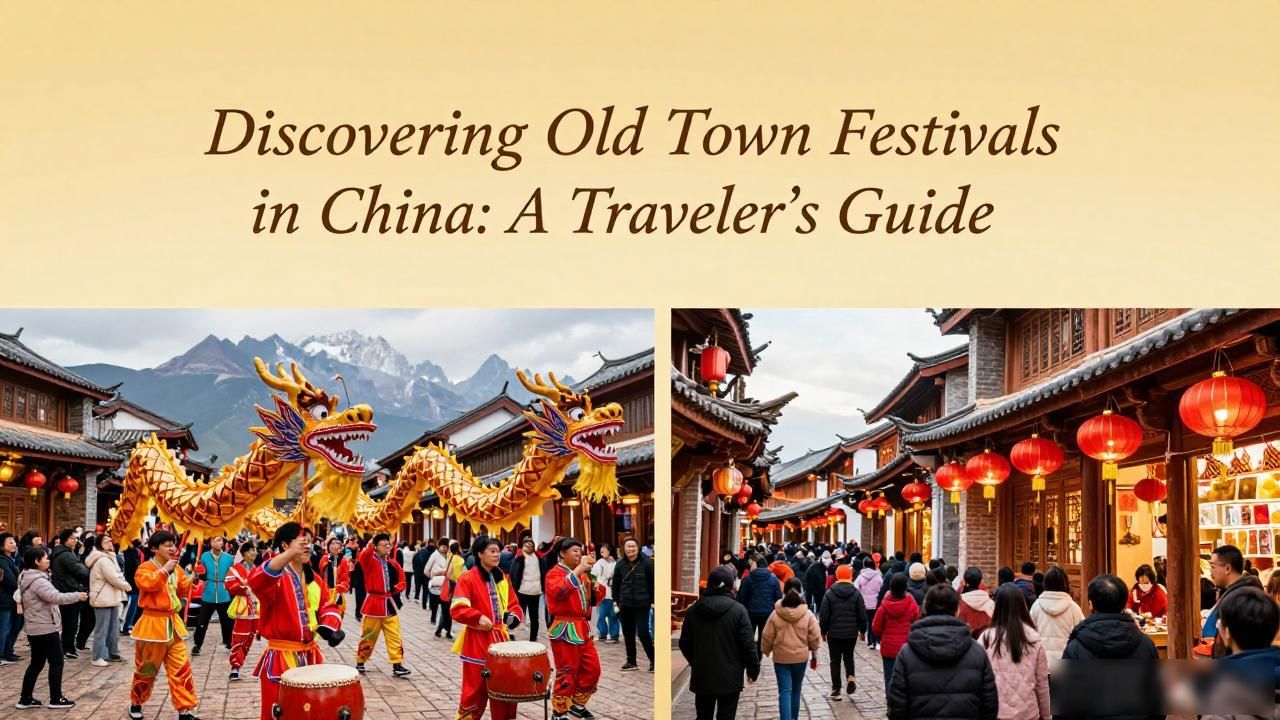
China’s ancient towns offer more than just stone streets; they pulse with living history. For travelers seeking authentic cultural immersion, local festivals provide a window into traditions that have survived centuries. These events are not staged performances for tourists but vital community rituals. Understanding them requires looking beyond the surface to see how locals celebrate their heritage. This guide explores what makes these gatherings unique and how to experience them respectfully.
When do old town festivals happen in China?

Most traditional celebrations follow the lunar calendar, which means dates shift every year on the Gregorian calendar. The most significant period is around Chinese New Year, typically falling in late January or February. During this time, towns like Lijiang or Pingyao come alive with dragon dances, lantern displays, and temple fairs. The atmosphere is electric as families reunite and communities prepare for the new year.
Another major window occurs during the Dragon Boat Festival in early summer. In water-centric towns such as Wuzhen, boat racing becomes the centerpiece of the festivities. Locals gather along riverbanks to cheer for their teams, sharing zongzi (sticky rice dumplings) and tea. It is a raw, energetic display of communal spirit.
Autumn brings the Mid-Autumn Festival, marked by mooncakes and glowing lanterns. Smaller towns often host intimate poetry readings and family gatherings under the full moon. These quieter moments offer a chance to connect with locals on a personal level. You might be invited to share a meal or learn about regional customs directly from residents.
How should visitors behave at Chinese old town festivals?
Respect is the cornerstone of a positive experience. Many festivals hold deep religious or ancestral significance. Observers should maintain a respectful distance from sacred rituals unless explicitly invited to participate. Dress modestly, especially when visiting temples or participating in processions. Avoid loud noises or intrusive photography during solemn moments.
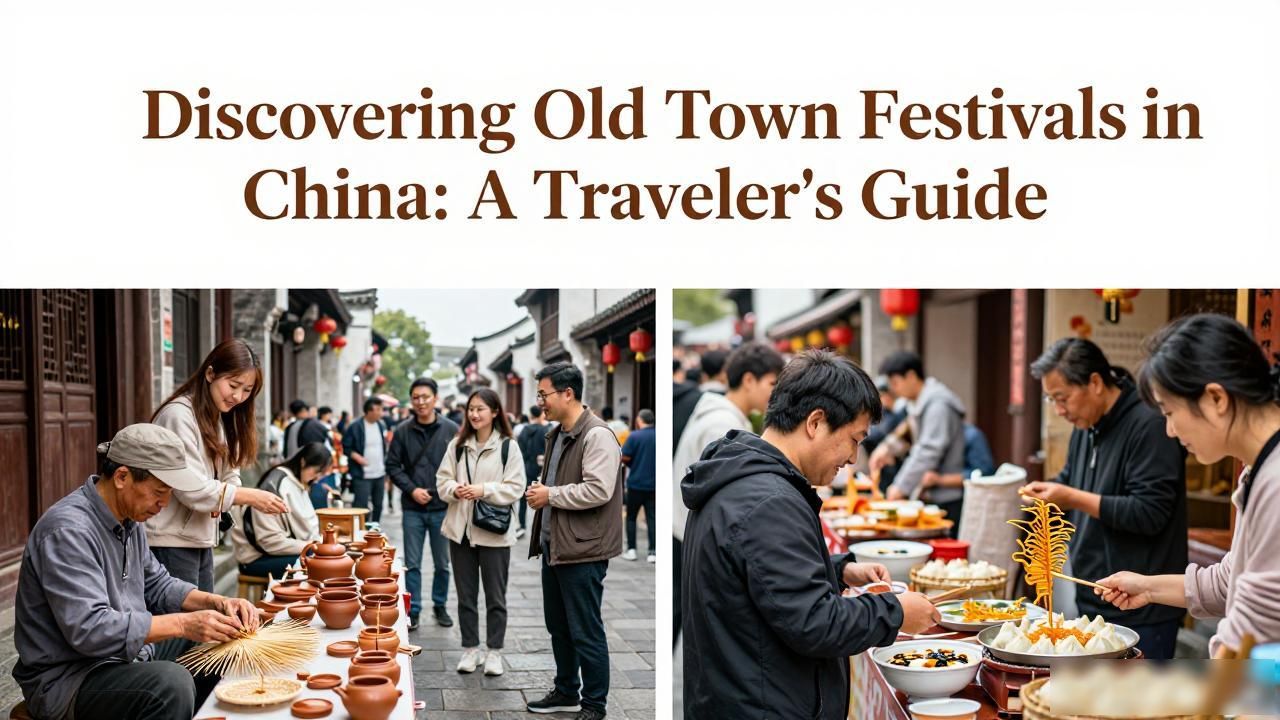
Supporting local businesses enhances the authenticity of your visit. Buy souvenirs directly from artisans rather than mass-produced shops. Try street food cautiously but enthusiastically; it is often the best way to understand local flavors. Engaging in simple greetings in Mandarin,even if broken, can open doors to genuine interactions.
Finally, patience is key. Crowds can be overwhelming, and schedules may change without notice. Embrace the chaos as part of the experience. Let go of rigid itineraries and allow yourself to wander. The best memories often come from unexpected encounters with locals who share stories of their town’s past.