

Where Is Tropical China and Why Should You Visit It
China isn’t all snow-capped mountains and sprawling deserts. The southern reaches of this vast country hide something far more unexpected — real tropical landscapes that rival Southeast Asia in beauty and biodiversity. From the palm-lined shores of Hainan to the misty rainforests of Xishuangbanna, tropical China offers an experience most travelers never expect to find. Understanding where these zones actually exist and what makes them unique changes the way you see the entire country.

Where in China Can You Find a Tropical Climate
Tropical China exists primarily in three regions that fly under the radar of most international visitors. Hainan Island sits at roughly 18 to 20 degrees north latitude, making it China’s only true tropical province. Sanya and Wanning draw visitors year-round with beach culture that rivals Phuket or Bali. The island’s monsoon season runs from May through October, bringing heavy rain but also lush greenery at its most dramatic.
Further inland along the southern border, Yunnan province shelters the Xishuangbanna Dai Autonomous Prefecture. This narrow strip of tropical jungle borders Myanmar and Laos, and it feels like stepping into northern Thailand. Ancient Buddhist temples rise among towering bamboo, wild elephants roam designated corridors, and the local Dai people maintain a culture distinct from the rest of China. Tropical China extends into parts of Guangdong and Guangxi as well, though these areas blur into subtropical zones rather than featuring classic equatorial heat.
What Makes Tropical China Different From Southeast Asia
The climate similarities are obvious — humidity, monsoon patterns, dense vegetation — but the cultural and logistical differences are where things get interesting. Chinese tropical regions carry a distinctly local flavor that Southeast Asian destinations simply cannot replicate. Street food in Xishuangbanna blends Dai, Chinese, and Southeast Asian influences into something entirely its own. Dai people prepare sour and spicy dishes using lemongrass, kaffir lime, and fermented vegetables alongside rice noodles and grilled fish.
Infrastructure in tropical China has improved dramatically over the past decade. Hainan now operates an international airport network, high-speed rail connects key cities on the island, and duty-free shopping policies attract visitors specifically for that advantage. Xishuangbanna received its first direct international flight route in recent years, and the China-Laos railway now links Kunming to the tropical zone in just a few hours. These developments mean travelers can access genuine tropical environments without the backpacker-heavy scenes found in Thailand or Vietnam.
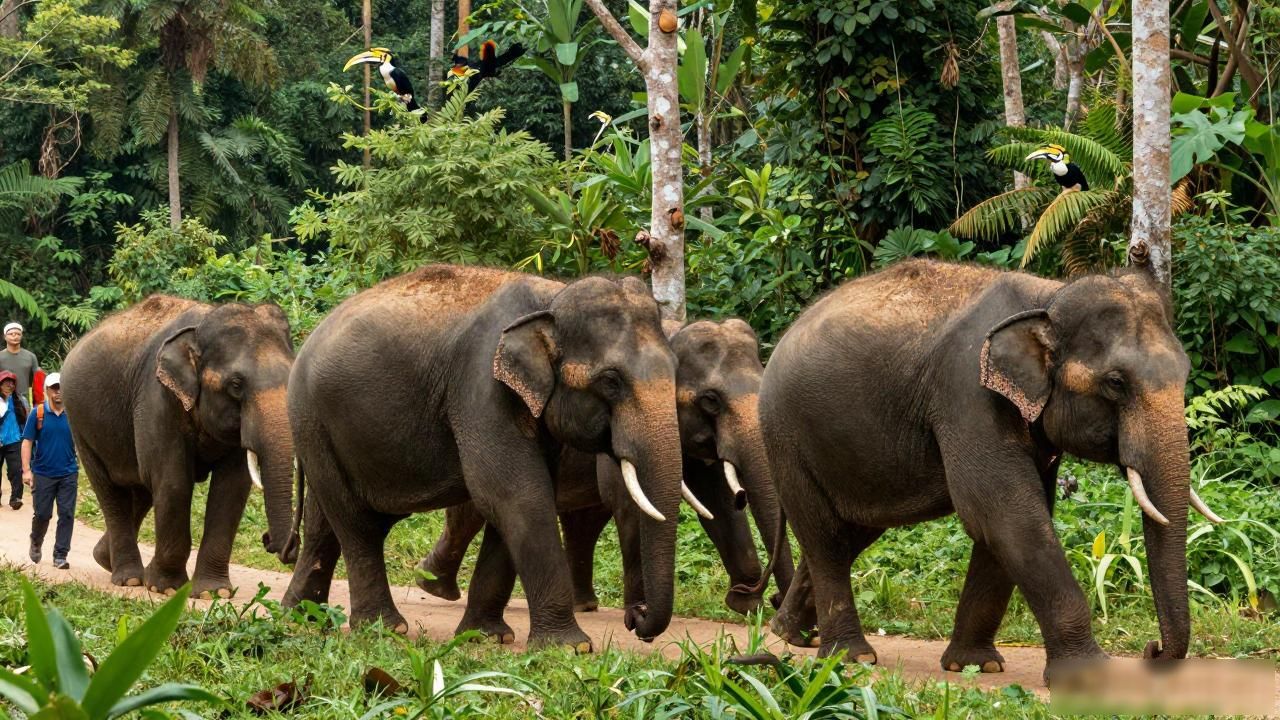
Wildlife encounters tell a different story too. The Asian elephant population in Xishuangbanna has rebounded to over 300 individuals after decades of decline. Guided treks through reserve areas offer chances to spot hornbills,macaques, and occasionally these magnificent mammals moving through forest corridors. Hainan harbors its own endemic species, including the endangered Hainan black partridge found only on the island.
Tropical China remains one of the most overlooked destinations in all of Asia. The combination of authentic ethnic cultures, accessible infrastructure, and landscapes that surprise even seasoned travelers makes it worth serious consideration. Skip the crowded coastal resorts and venture into these southern pockets — the real tropical China awaits.