
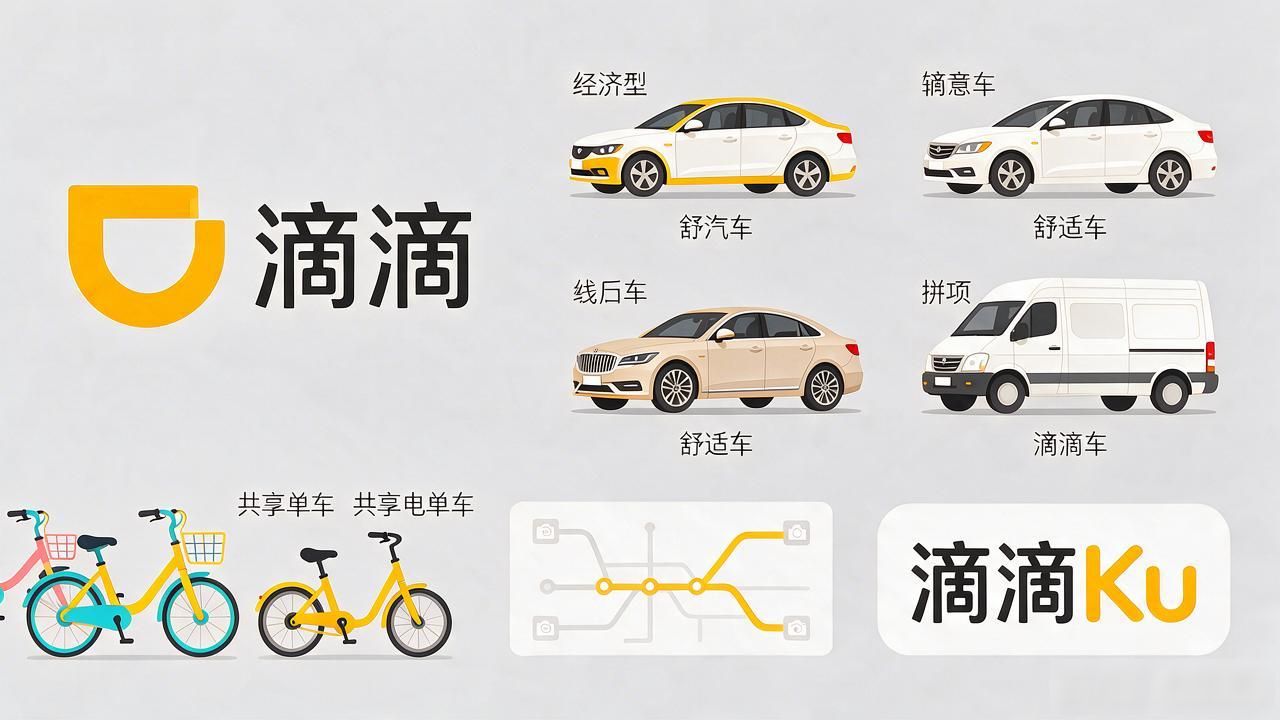
Didi is the ride-hailing giant that essentially controls the streets of most Chinese cities. For foreigners arriving in China, the sheer volume of Didi in China services can feel overwhelming at first. The platform bundles everything from premium car rides to shared e-bikes, public bus tracking, and carpooling under one app. Getting a handle on what’s available and how to actually use it will make your time in China dramatically less stressful.
What does Didi in China services include

The core offering is ride-hailing, but Didi splits this into several tiers. You can grab an economy ride, a comfort sedan, a premium luxury car, or a van for groups. Beyond cars, the app now integrates bike and e-scooter sharing, short-distance bus routes, and even a carpooling option called Didi Kuaipao that pairs you with strangers heading the same direction. Each tier shows real-time pricing and estimated arrival before you confirm, so there are no surprises at the door.
Another layer is public transit integration. The app displays bus and subway timetables, maps walking routes, and tells you when the next bus will arrive at a stop. For city-dwellers,this turns Didi from a mere taxi app into a full mobility planner. In smaller cities where dedicated transit apps are scarce, this feature is arguably the most useful part of the entire suite.
Can foreigners use Didi in China services
Yes, with one major catch: you need a Chinese phone number to register. A foreign SIM or eSIM works fine for the verification code, and the interface now supports English in most cities. Payment is the other hurdle—Alipay and WeChat Pay are the primary methods, both of which can be linked to international credit cards. Cash is effectively dead in Chinese ride-hailing, so getting either wallet set up before your first ride is not optional.
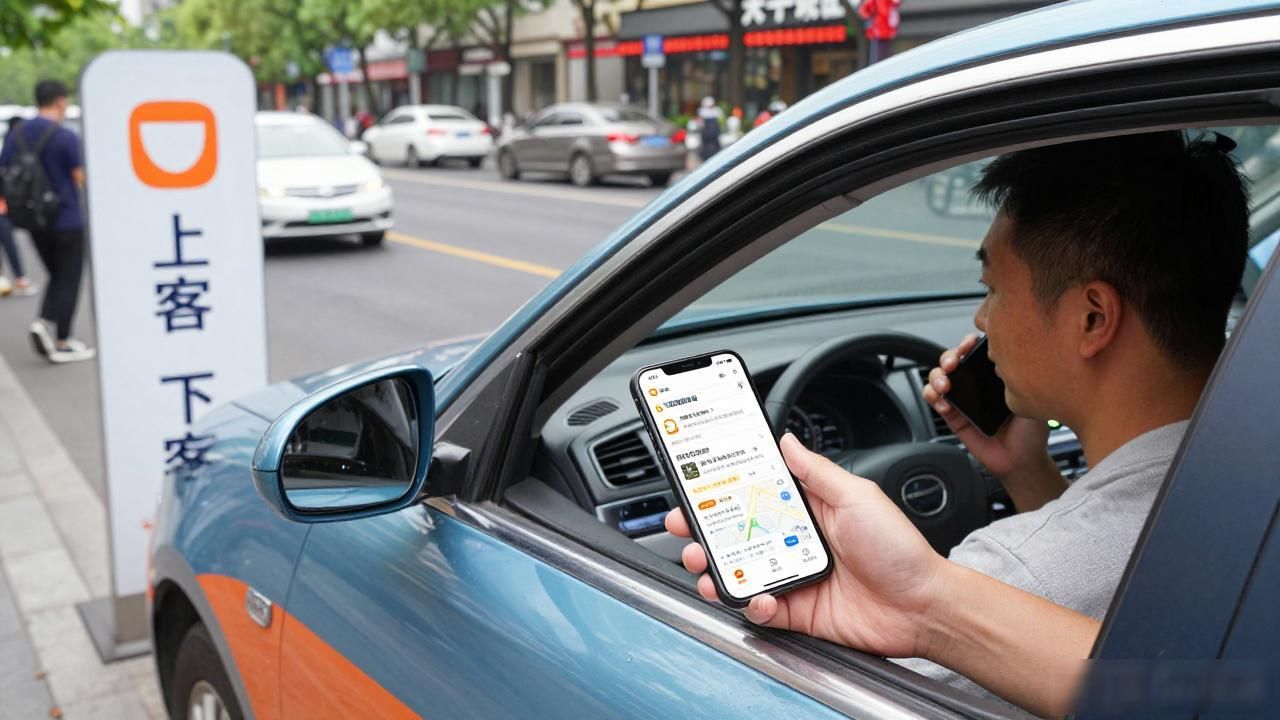
Once you’re sorted, the experience is seamless. Drivers rarely speak English, so sharing your hotel’s Chinese address via a screenshot works wonders. Most five-star and international hotels in Beijing, Shanghai, and Chengdu now have Didi pickup points clearly marked at the curb. A little patience and a pre-saved location will get you moving in under two minutes.
Didi isn’t just a convenience; it’s infrastructure now. Whether you’re crossing a twenty-million-population city at six in the morning or grabbing a shared scooter to the subway, the app is where Chinese daily transit actually happens. Nail the phone number and payment setup, and the streets stop being a foreign puzzle.