
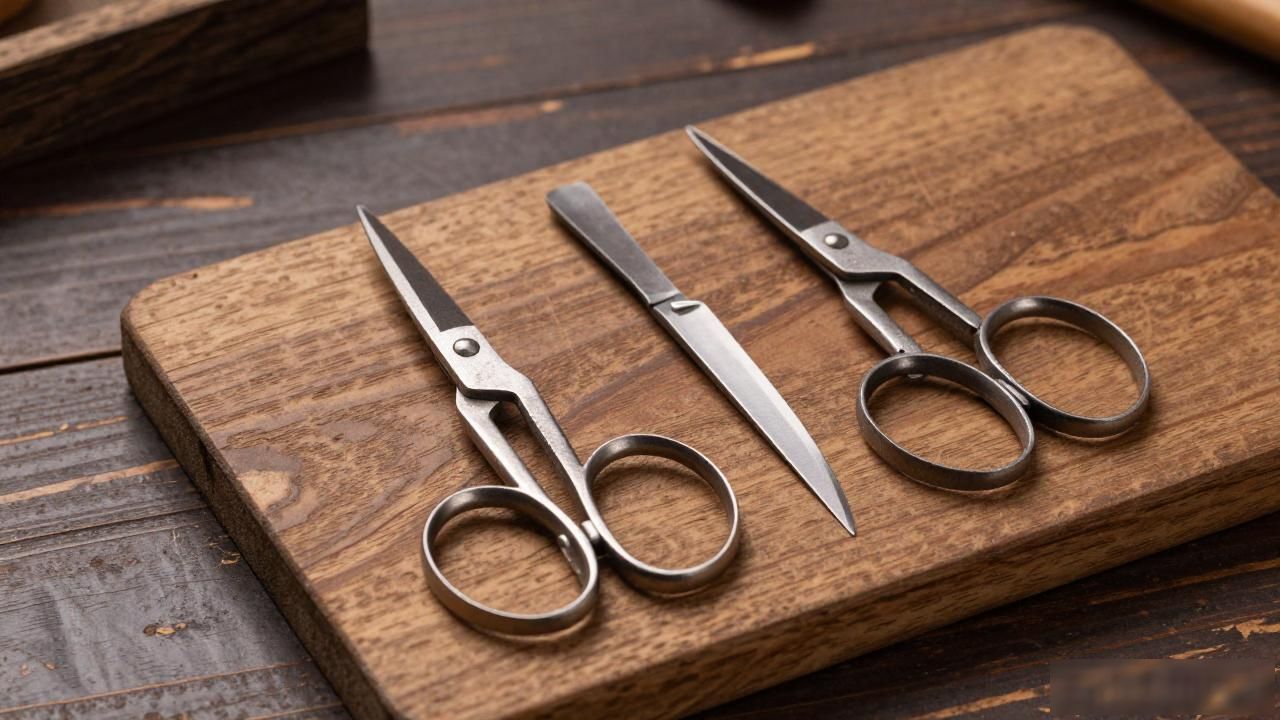
I grew up watching my grandmother work her magic with a pair of scissors and thin red paper. She could transform a simple sheet into intricate designs of fish, flowers, and lucky characters. This art form has been passed down through generations in our village in Shaanxi province. The tools may look simple, but understanding their nuances can make all the difference between a rough attempt and a beautiful piece of art.
What makes them different

The traditional Chinese paper cutting tools seem straightforward at first glance. A pair of scissors or a small knife and some paper. However, the craftsmanship behind each tool tells a story centuries old. Our handmade steel scissors are forged from multiple layers of metal,giving them both strength and flexibility. This layered construction allows the blades to glide through paper smoothly without tearing or jagged edges.
Modern artisans often combine traditional methods with contemporary materials. Some use stainless steel blades that resist rust better than the carbon steel used by our ancestors. Others have developed ergonomic handles to reduce hand fatigue during long working sessions. The evolution shows respect for tradition while embracing practical improvements.
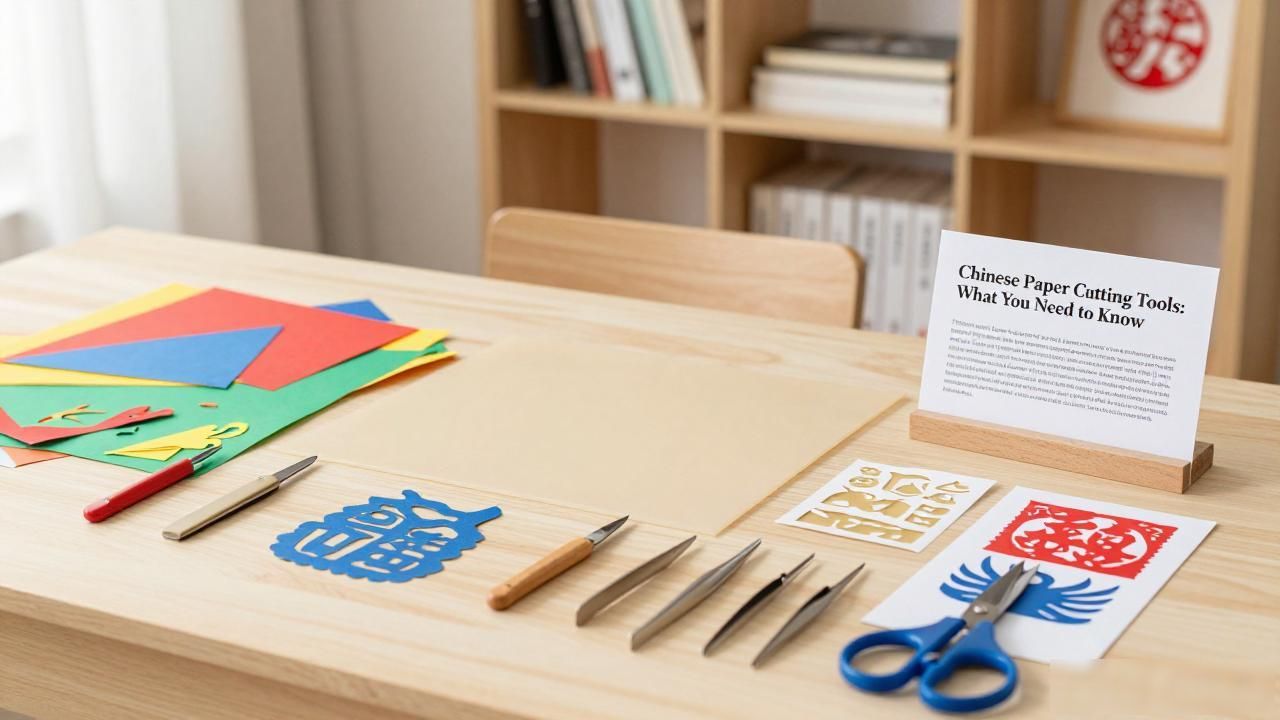
Professional studios may display dozens of tools, each serving a specific purpose. Fine detail work requires needles-thin blades, while broader cuts call for sturdier instruments. Seasoned artists develop personal preferences based on their style and the complexity of their designs.
How to get started
Beginning your journey into Chinese paper cutting requires patience and the right approach. The quality of your tools directly impacts the quality of your final piece. Do not rush to buy expensive sets before mastering the basics with simple scissors and standard paper.
Start with a good-quality pair of craft scissors. Look for ones with pointed tips for detail work and slightly curved blades for smoother curves. A soft cutting mat protects both your work surface and the blade edges. Thin red tissue paper works well for practice before moving to heavier materials.
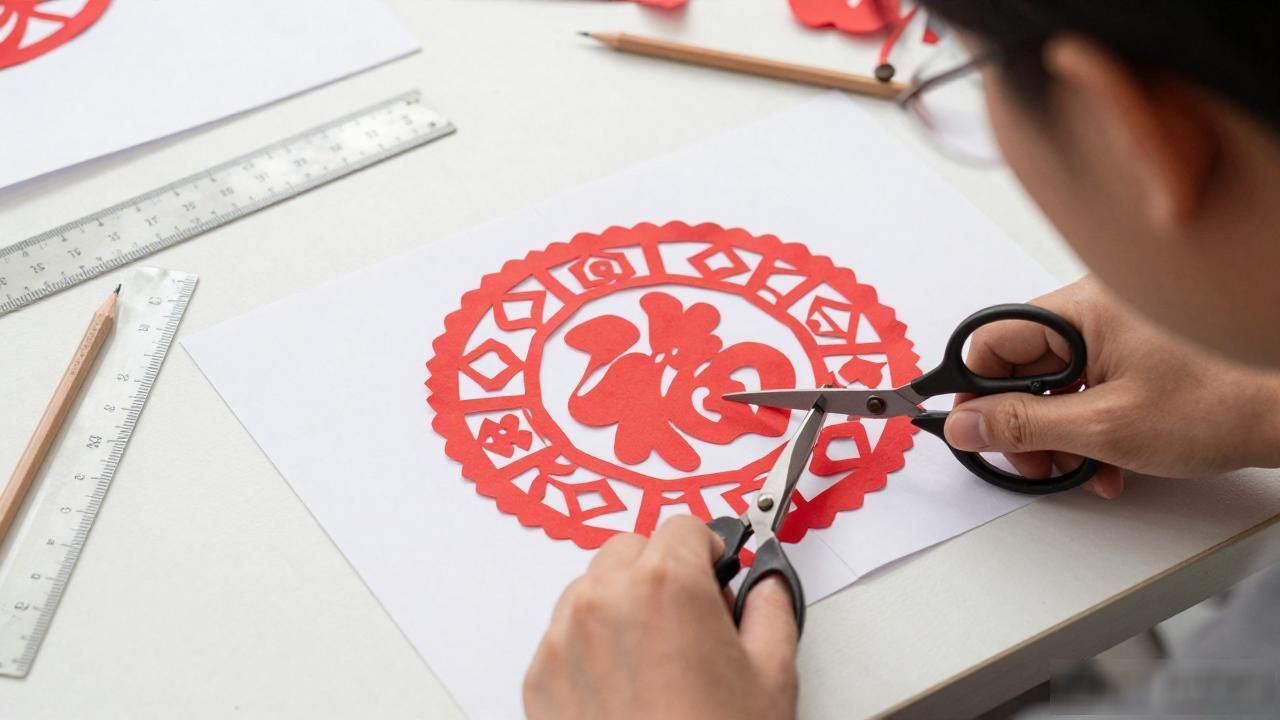
Practice basic shapes first. Circles, squares, and simple geometric patterns help you understand how the paper behaves under the blade. Learning to fold paper correctly enables symmetrical designs that showcase the art form’s characteristic balance. Each mistake teaches you something new about pressure, angle, and movement.
As your skills develop, explore specialized knives made for intricate cutwork. These tools open possibilities previously impossible with scissors alone. Join local workshops or follow online tutorials to connect with fellow enthusiasts. The community around Chinese paper cutting remains welcoming and eager to share knowledge with newcomers.