
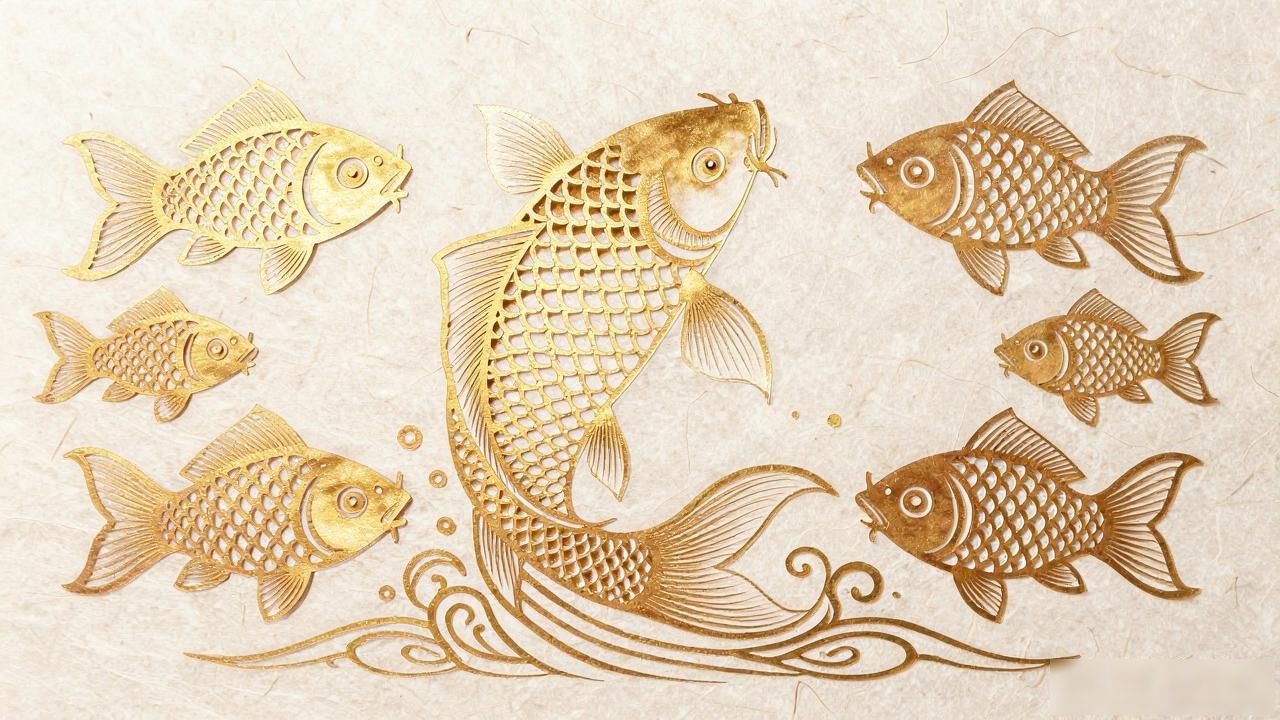
Chinese paper cutting, known as jianzhi, is one of the oldest folk arts in China, with a history stretching back over 1,500 years. The tradition of folding and cutting paper into intricate designs was originally used to decorate windows, doors, and mirrors during festivals and celebrations. Today, the art form continues to thrive both as a cultural heritage practice and as a modern creative medium.
The most striking aspect of Chinese paper cutting is the deep symbolism woven into every pattern. Unlike Western paper crafts that focus mainly on visual beauty, Chinese designs carry layers of meaning rooted in language, folklore, and philosophy. Understanding these symbols opens up a whole new way of seeing this art form and appreciating why certain motifs have been passed down through generations.
What Do Chinese Paper Cutting Patterns Symbolize

Many traditional Chinese paper cutting patterns draw their meaning from homophones and cultural associations. The character for fish (yu) sounds identical to the word for abundance, making fish a popular motif during Lunar New Year celebrations. A carp swimming upward represents ambition and success, while a pair of fish symbolizes marital harmony and prosperity.
Bats hold a similarly positive meaning in Chinese culture. The word for bat (fu) sounds like the word for good fortune, so five bats surrounding a character often represent the Five Blessings — longevity, wealth, health, virtue, and a peaceful death. This symbolic wordplay is at the heart of why Chinese paper cutting patterns look the way they do and why certain designs are preferred for specific occasions.
Phoenix and dragon combinations are reserved for weddings and ceremonial events, representing the balance of yin and yang forces. Peonies stand for wealth and honor, while chrysanthemums symbolize longevity and resilience. The eight immortals, ancient sages, and auspicious clouds round out a rich visual language that has been refined over centuries of artistic tradition.
Regional Chinese Paper Cutting Styles and Traditions
Shanxi Province in northern China is famous for its bold, expressive paper cuts that often depict rural life, agricultural scenes, and local legends. The style tends toward thick lines and dramatic contrasts, reflecting the rugged landscape and strong cultural identity of the region. These cuts are typically pasted on windows to ward off evil spirits and invite good luck.
The Guangdong style, particularly from the Foshan area,features incredibly fine detail and delicate curves. Artisans in this region spend days on a single piece, producing works that resemble lace. Guangdong paper cuts often incorporate silver or gold wire into the design, creating shimmering effects that catch the light beautifully.
Hebei and Shandong provinces are known for their narrative paper cuts that tell stories from classical literature and historical epics. These pieces often feature multiple figures engaged in dramatic scenes, requiring skilled planning and precise execution to maintain clarity across complex compositions.
How Modern Designers Are Reinterpreting Chinese Paper Cutting Patterns
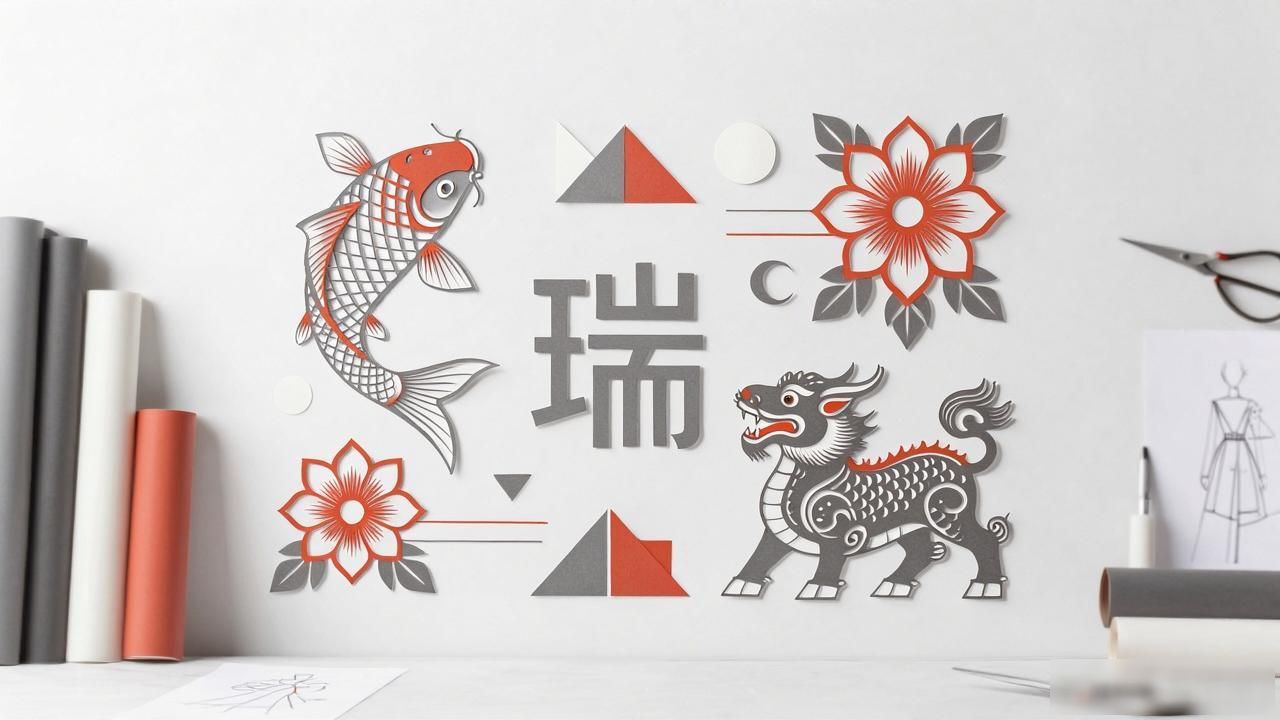
Contemporary Chinese paper cutting has evolved far beyond traditional festival decorations. Modern artists are collaborating with graphic designers, fashion houses, and interior decorators to bring the craft into everyday life. Some designers create minimalist versions of classic patterns using geometric shapes and negative space, appealing to younger audiences who prefer clean aesthetics.
Street artists and urban creators are using paper cutting techniques for public installations and large-scale murals, transforming city walls into stunning displays of cut-paper art. Fashion brands have incorporated paper-cut motifs into textile designs, while jewelry designers use the patterns as templates for intricate metalwork.
International audiences have embraced Chinese paper cutting patterns as decorative art for homes, offices, and retail spaces. The demand for culturally authentic yet visually striking designs has led to a new generation of artists who study traditional methods while experimenting with bold colors, oversized formats, and abstract interpretations that push the boundaries of what paper cutting can be.