
Chinese cuisine is a highlight of any trip to China, offering flavors and cooking styles that surprise even experienced travelers. For tourists visiting China for the first time, the variety can be overwhelming. This article helps you understand the most accessible and authentic dishes to try, as well as practical tips for enjoying Chinese food without confusion.
What are the must-try dishes for tourists in China
For tourists new to Chinese food, certain dishes are both popular and easy to enjoy. Peking duck is a classic choice, often served with thin pancakes, cucumber, and sweet bean sauce. You can find it in Beijing restaurants that specialize in this dish. Another safe bet is dumplings, which come with fillings like pork, shrimp, or vegetables. They are boiled, steamed, or pan-fried, and widely available across the country.

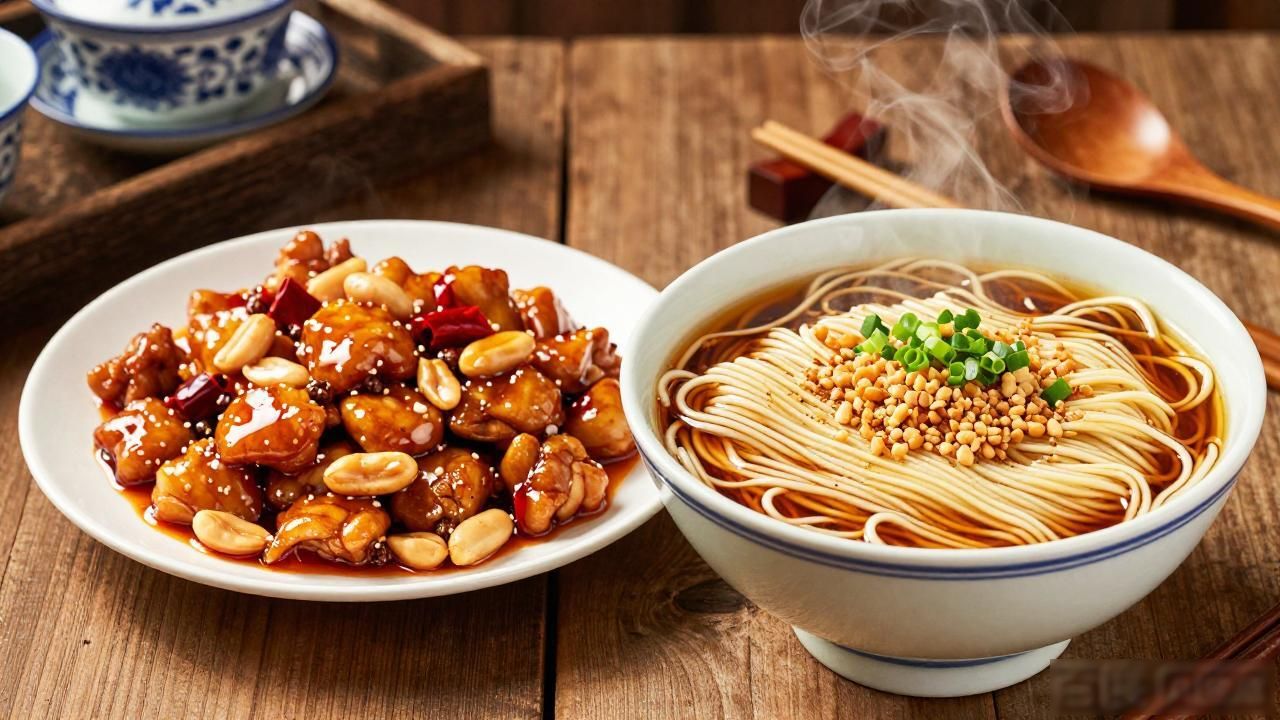
Kung Pao chicken is a mildly spicy stir-fry dish with peanuts and vegetables. It is common in many Chinese restaurants and suits travelers who want a bit of heat without going too far. For noodle lovers, Lanzhou pulled noodles or Sichuan dan dan noodles offer rich broth and chewy texture. If you prefer lighter options, try hot and sour soup or steamed fish with ginger and scallions.
Street food is also worth exploring. Jianbing, a savory crepe filled with egg and sauce, makes a quick breakfast. Skewers of grilled meat, often seasoned with cumin and chili, are popular at night markets. These dishes let tourists taste local flavors in a casual setting.
How can tourists find good Chinese food without getting lost
Finding quality food as a tourist requires some strategy. Avoid restaurants with menus in multiple languages and pictures of food that look too perfect. These often cater to tourists and may not serve authentic dishes. Instead,look for places where locals eat. Busy noodle shops, dumpling houses, or small family-run stalls usually offer better taste and value.
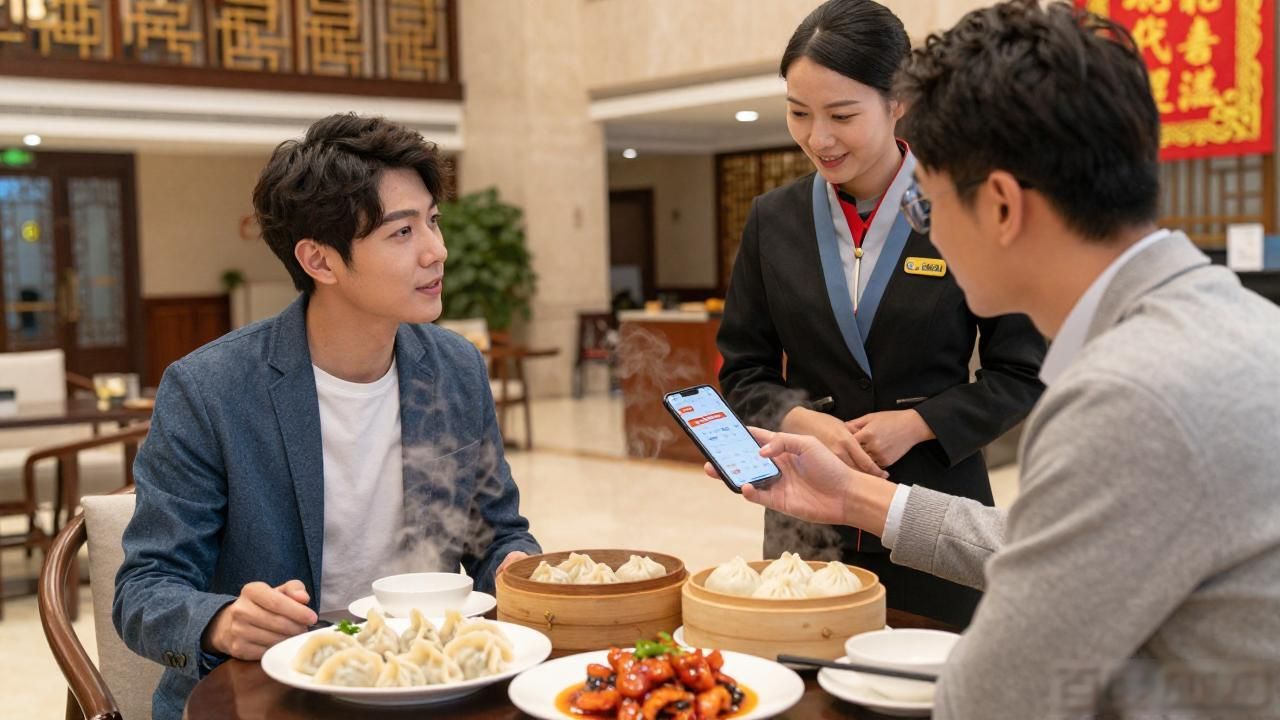
Using food apps like Dianping, which has an English interface in some areas, helps locate highly rated restaurants. Asking hotel staff for recommendations also works well. They can point you to nearby spots that are clean and popular among locals.
Be open to trying unfamiliar dishes, but also watch for common allergens like peanuts, MSG, or gluten. Many Chinese dishes use soy sauce, so if you have dietary restrictions, carry a card with your needs written in Chinese. This reduces miscommunication and helps you enjoy meals safely.
How to handle eating etiquette and customs in Chinese restaurants
Understanding basic table manners makes dining smoother. When eating with others, wait for the host to start before you begin. Use chopsticks properly, avoiding sticking them upright in a bowl of rice, as this resembles funeral rituals. Sharing dishes is common, so use the serving spoon provided instead of your personal chopsticks to take food from shared plates.
Tipping is not expected in most Chinese restaurants, though some upscale places may include a service charge. If you finish a meal and want to leave, simply ask for the bill. Loud conversation and slurping noodles are generally accepted, so do not worry about being too quiet.
Drinks are often served warm in winter and cold in summer. Tea is usually complimentary. If you want water, ask for boiled water specifically, as tap water is not safe to drink. These small habits help tourists feel more comfortable and avoid awkward moments.
Chinese cuisine for tourists is not just about eating, it is about experiencing culture through food. By choosing the right dishes, finding local restaurants, and respecting customs, you turn every meal into a memorable part of your trip.