
Guangzhou is a massive, energetic city in southern China that often gets overlooked by travelers heading straight to Beijing or Shanghai. But this city has its own pulse—a mix of ancient culture, futuristic architecture, and food that will blow your mind. If you’re planning a trip, this guide covers the essentials: where to go, what to eat, and how to get around without losing your mind.
What are the must-see attractions in Guangzhou
Start your trip at Canton Tower, the iconic twisting skyscraper that lights up the skyline at night. You can take an elevator to the top for a panoramic view of the Pearl River. Right next to it is the Guangzhou Opera House, designed by Zaha Hadid—it looks like two giant pebbles from outer space. Walk around, take photos, and soak in the modern side of the city.

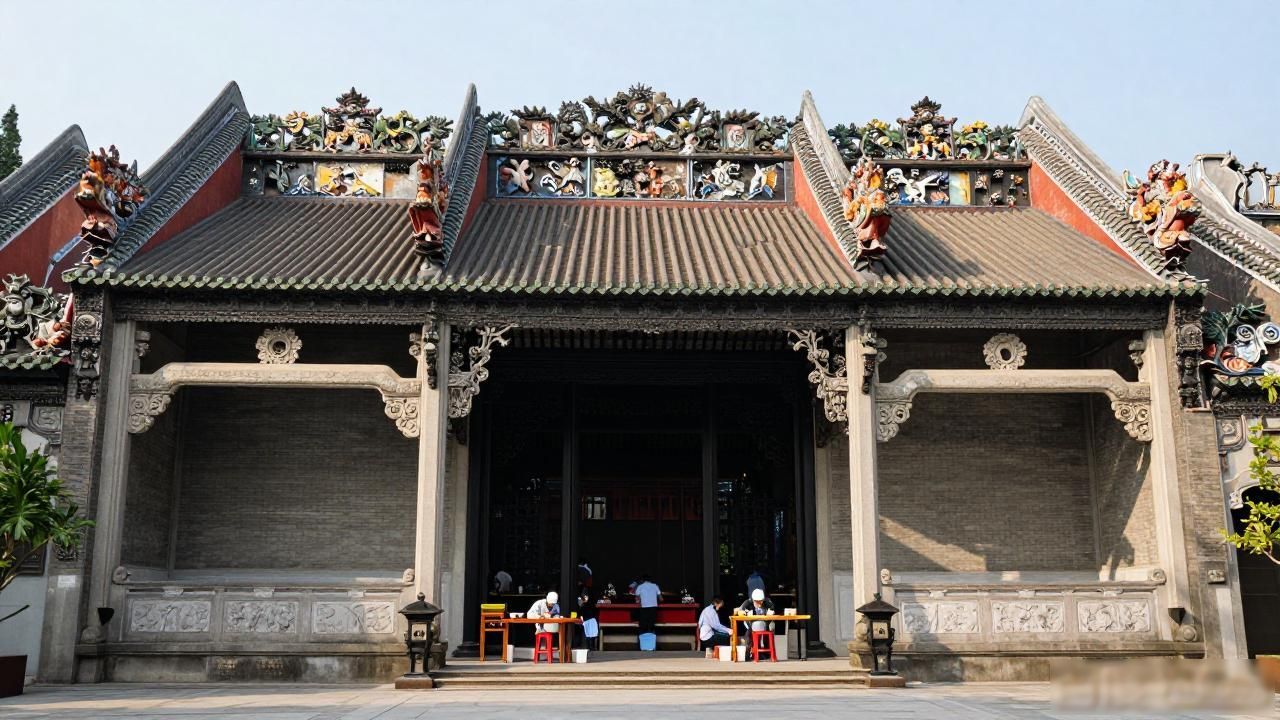
For history lovers, head to Chen Clan Ancestral Hall. This is not your average temple. It’s a 19th-century complex filled with intricate wood carvings, stone sculptures, and colorful pottery. It’s now a folk art museum, so you can see how Cantonese craftsmen used to work. Another spot is Shamian Island, a quiet, tree-lined area with colonial European buildings. It feels like a different world from the rest of Guangzhou. Perfect for a lazy afternoon walk.
Don’t skip the Temple of the Six Banyan Trees. It’s a Buddhist temple with a nine-story pagoda that’s over a thousand years old. Climb to the top for a view of the old city. And if you’re into markets, go to Qingping Market. It’s chaotic, smelly, and fascinating—you’ll see everything from dried seafood to live turtles. It’s not for the faint of heart, but it’s real Guangzhou.
What is the best food to try in Guangzhou
Guangzhou is the birthplace of dim sum. You cannot leave without trying it. Go to a traditional tea house like Guangzhou Restaurant or Tao Tao Ju. Order har gow (shrimp dumplings), siu mai (pork dumplings), and char siu bao (barbecue pork buns). Dip them in chili sauce and drink hot tea. It’s a ritual, not just a meal.
Street food is everywhere. Try wonton noodles from a small shop on Beijing Road. Walk to Shangxiajiu Pedestrian Street for grilled oysters, fried tofu,and sugarcane juice. If you’re brave, look for chicken feet or snake soup—locals swear by them. For dessert, get a bowl of double-skin milk pudding. It’s silky, sweet, and nothing like Western pudding.
Don’t forget to eat at a claypot rice stall. The rice is cooked in a clay pot over charcoal, topped with Chinese sausage or chicken. The bottom gets crispy and golden. It’s simple but unforgettable. And wash it all down with a cold bottle of soy milk from a street vendor. Your stomach will thank you.
How to get around Guangzhou easily
The metro system is your best friend. It’s clean, cheap, and covers almost every tourist spot. Buy a Yang Cheng Tong card at any station—it works on buses and subways. Most signs are in English, and the stops are announced in both Chinese and English. Don’t be afraid to get lost a little; the city is safe and people are helpful.
Getting a Didi (China’s Uber) is easy and cheap. Just download the app before you come. Taxis are also fine, but drivers might not speak English. Always have your destination written in Chinese characters on your phone. Walking is great in areas like Shamian Island or along the Pearl River, but avoid walking on major roads—traffic is aggressive.
For day trips, take the high-speed train to Foshan or Shenzhen. Both are less than an hour away. Foshan has the famous Ancestral Temple and kung fu history. Shenzhen is a modern tech hub with theme parks. The train station is easy to navigate, and tickets are affordable. Just show your passport at the counter.
Guangzhou rewards travelers who dig deeper. It’s loud, crowded, and unpolished in the best way. Eat the street food, ride the metro, and talk to locals. You’ll leave with full memories—and a full stomach.