
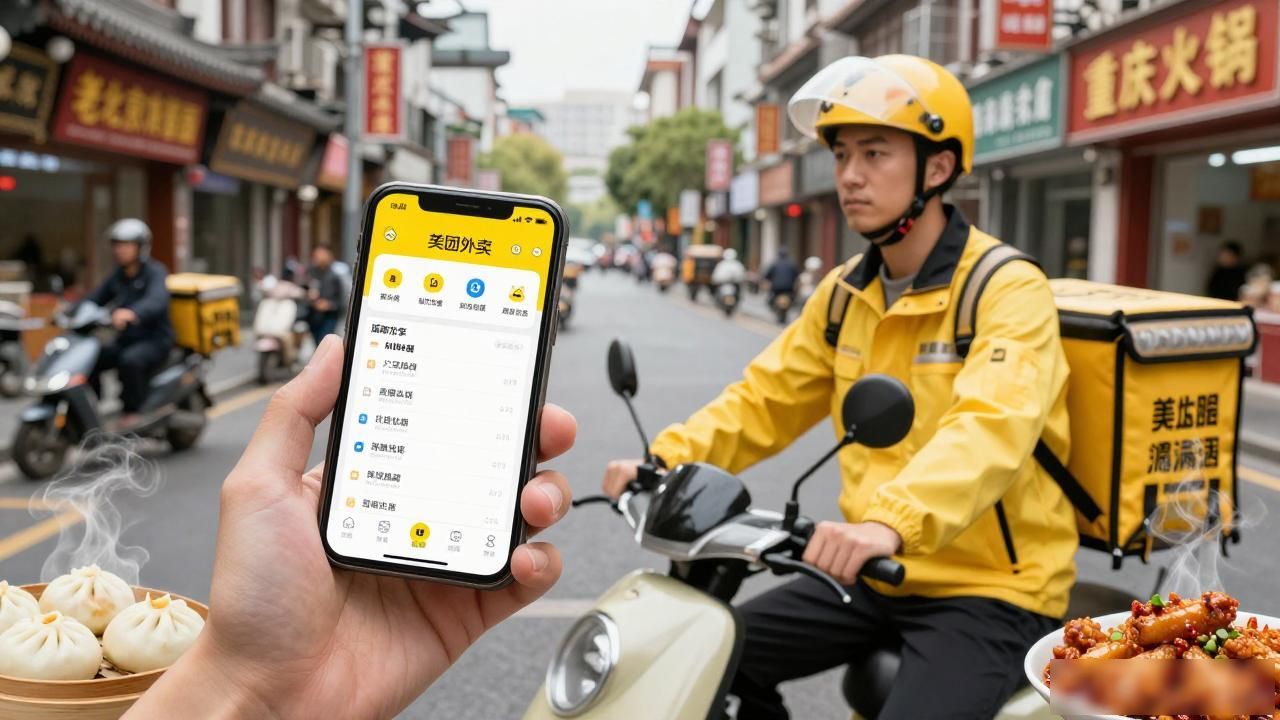
Chinese food delivery is not just about getting a meal at your door. In China, it is a way of life, a massive digital ecosystem that moves millions of orders every hour. If you are a foreigner living in or visiting China, understanding how this system works can save you time, money, and a lot of confusion. This guide walks you through the essentials: what platforms dominate the market, how ordering actually works, and why the experience often outpaces what you see back home.
Which apps rule Chinese food delivery
Meituan and Ele.me are the two giants. Meituan dominates roughly 70 percent of the market,while Ele.me holds most of the remaining share. Together they handle hundreds of millions of daily transactions. Most restaurants, no matter how small, appear on at least one of these platforms.

A few smaller players exist, like Didi’s food delivery arm, but they are niche. For a foreigner, sticking with Meituan or Ele.me is the sensible choice. Both apps offer English interfaces now, though Meituan’s English version tends to be more polished. You will also find that certain cities and regions have different restaurant selections depending on which app you use. Download both before you need them.
How the ordering process actually feels
Opening either app, you will see a flood of options. Photos, ratings, wait times, promotional banners, discounts that change every hour — the interface is designed to overwhelm you into clicking faster. The good news is that the core flow is simple. Search for a cuisine type, pick a restaurant, add items to your cart, enter your address, and pay. Delivery usually arrives within thirty to forty-five minutes in dense urban areas.
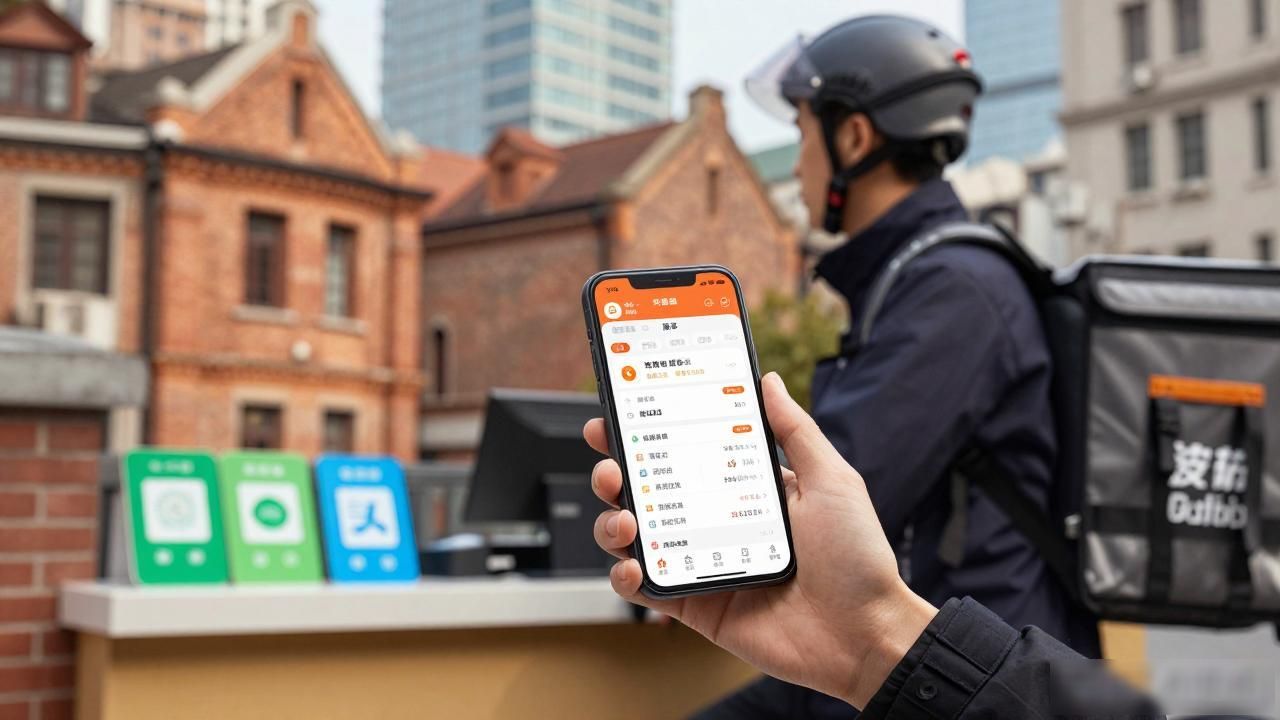
One thing that catches newcomers off guard is the payment side. You do not need cash. WeChat Pay and Alipay are embedded directly into both apps, and international credit cards now work on many accounts, though some older restaurant listings still prefer local payment methods. Another surprise is the sheer variety of promotional mechanics. Group buying deals, flash sales, coupon bundles, membership passes — it is easy to spend more than intended trying to save money. Set a budget and stick to it.
What makes Chinese delivery different from the West
The speed is not the only difference. Packaging is often more elaborate because meals travel farther on shared bikes. Meals arrive in multiple bags if you order from different vendors. Some apps even let you track the rider on a live map, which feels oddly intimate when you watch a stranger navigate traffic to bring you dumplings.
Restaurant culture here is built around takeout. Many places do not even have seating rooms. Kitchens are optimized for high-volume packaging rather than dine-in ambiance. This matters because the food quality you receive can differ slightly from what is eaten on-site. Order fried rice from a street stall, and it will likely arrive hotter and crispier than at a table inside.
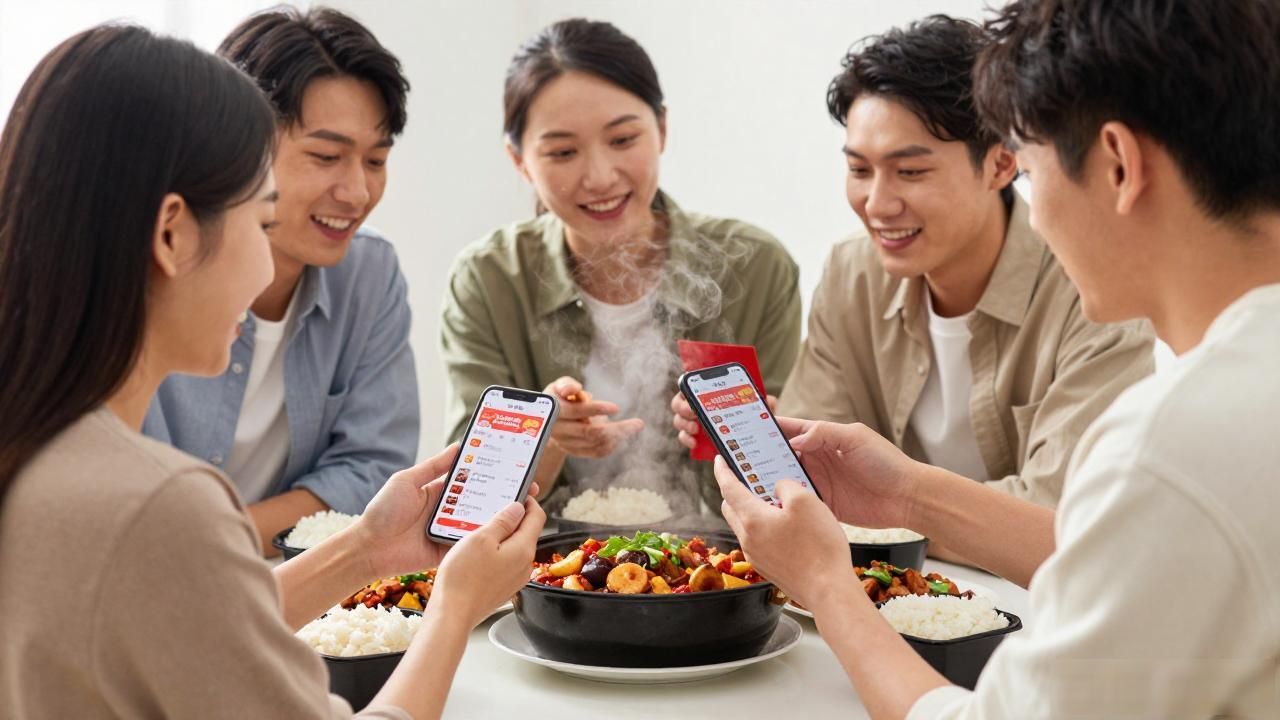
The social layer is another standout. Sharing orders with friends, group-buying discounts, and sending digital red envelopes as gifts all turn delivery into a communal activity rather than a private transaction. If you want to blend in, learn to split bills through the app and send a small gift on someone’s birthday via Meituan.
Should foreigners bother learning the system
Yes, unless you only plan to eat at Western-style restaurants. The selection on Chinese platforms includes regional specialties, hospital-grade comfort food, late-night snacks, and everything in between. Prices are competitive, and the convenience is unmatched in most major cities outside of China. The learning curve is real, but once you figure out your favorite apps, languages become less of a barrier. Start with Meituan if you want the smoother English experience, or Ele.me if you are in a city where it has stronger local restaurant coverage. Experiment with one restaurant at a time, save your favorites, and slowly build a personal shortlist. Over weeks, the chaos becomes a rhythm.