
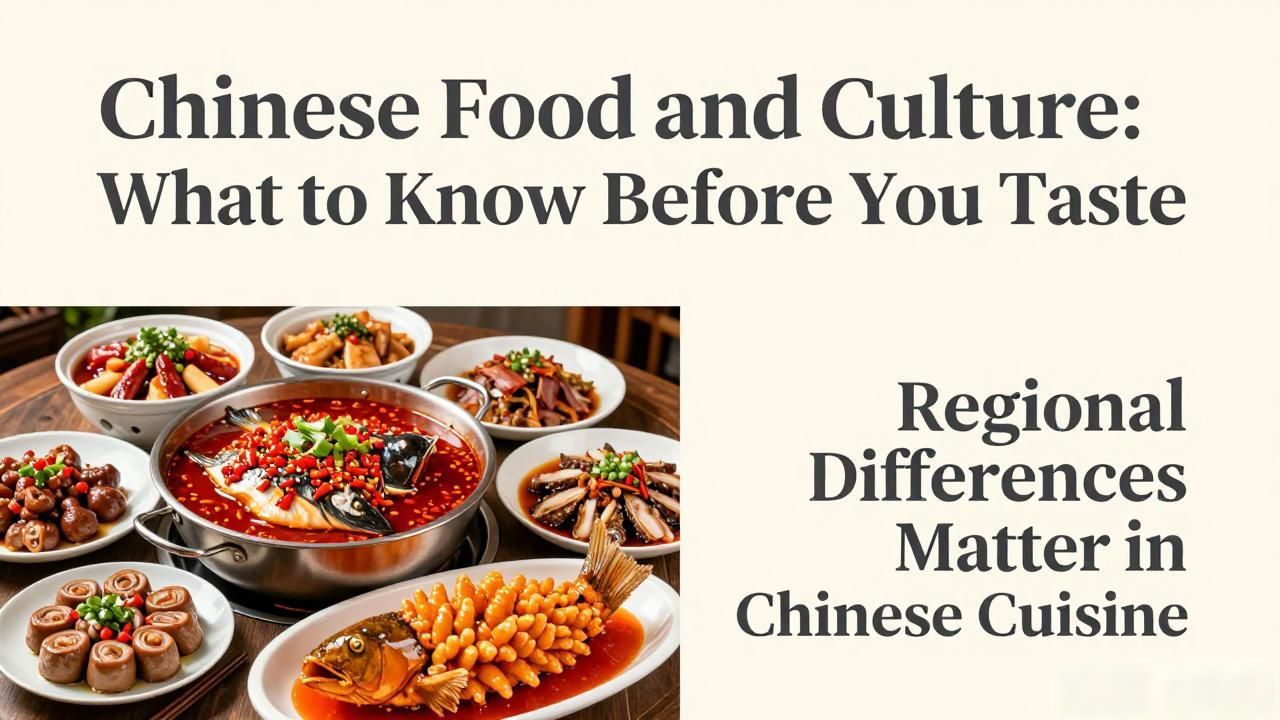
Chinese food goes far beyond sweet and sour chicken or fried rice. It’s a deep dive into centuries of tradition, geography, and philosophy that shaped how people eat across Asia. For foreigners curious about Chinese cuisine, understanding the cultural context behind each dish makes the experience richer and more meaningful. From regional specialties to seasonal ingredients, every bite tells a story rooted in history and community.

Why Regional Differences Matter in Chinese Cuisine
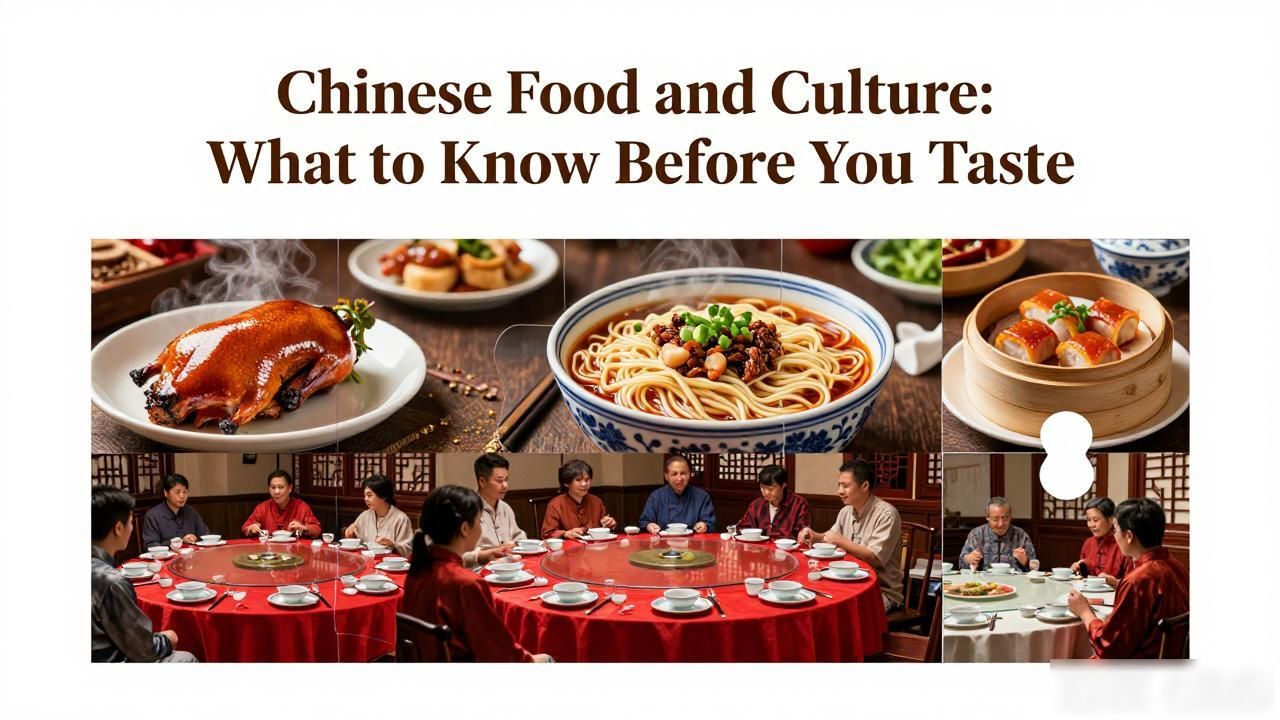
China is enormous, and its vast landscape creates wildly different culinary traditions. In Sichuan province,bold flavors like numbing spice from chili peppers dominate. Meanwhile, Cantonese cooking in southern China emphasizes freshness and subtle sweetness with delicate techniques such as steaming. These regional variations reflect local climates, agricultural products, and even historical trade routes. When ordering abroad, many dishes get simplified to fit Western tastes—but authentic versions offer something entirely different. Trying dumplings made by hand versus factory-produced ones reveals how craftsmanship still matters today.
How Dining Etiquette Reflects Cultural Values
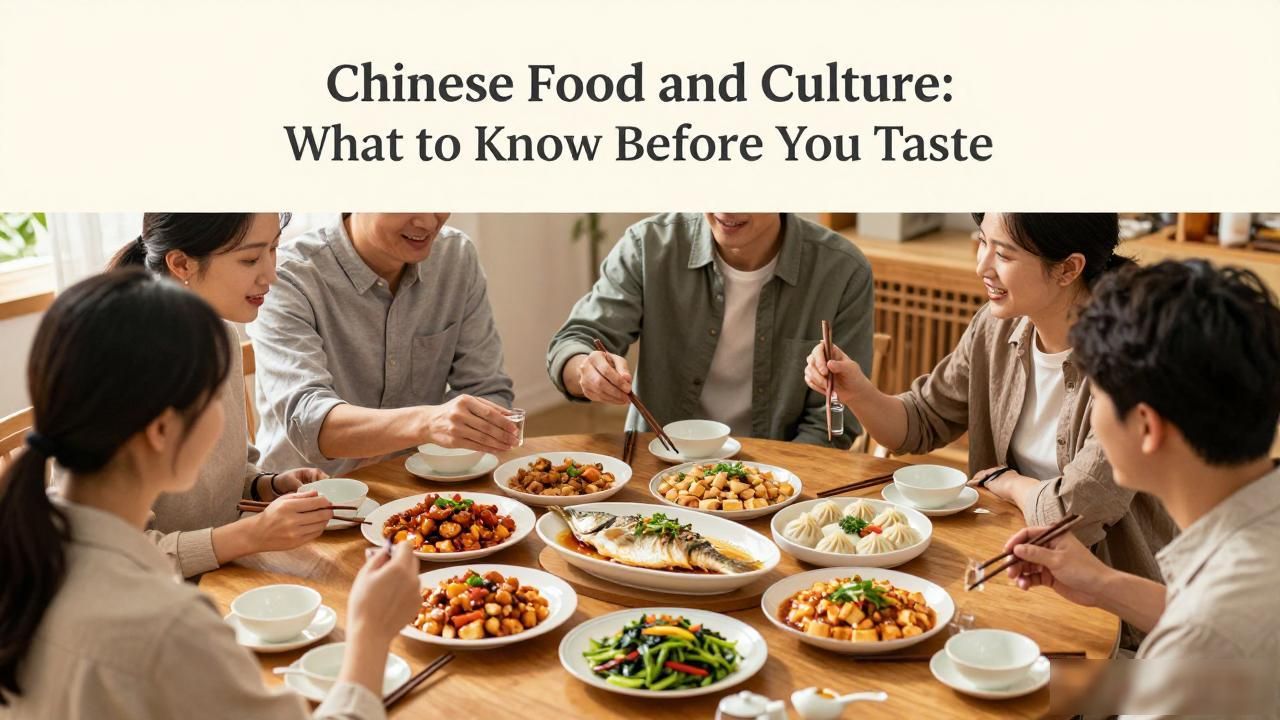
Meals are rarely just about eating; they’re social rituals steeped in respect and harmony. Sharing multiple small dishes among everyone at the table encourages connection rather than individual portions. Chopsticks aren’t merely utensils—they symbolize patience and precision passed down through generations. Pouring tea for others before yourself shows humility, while leaving a little food on your plate signals satisfaction without waste. Observing these customs helps bridge gaps between cultures and fosters mutual appreciation during shared meals. Whether it’s celebrating festivals or hosting family gatherings, food remains central to expressing love and unity within Chinese society.