
I once watched a street vendor working a enormous wok at midnight in Chengdu. The fire roared, the spatula flew, and within seconds, a perfectly cooked dish landed on a plastic plate. Chinese food tells stories no museum could ever capture. For over five thousand years,meals have been woven into rituals, family life, and everyday moments. When foreigners ask about Chinese culture, the answer almost always starts with food. It is not merely about taste. It is about memory, identity, and the invisible threads that connect people across generations.
Why Does Chinese Cuisine Vary So Much
China stretches across vast distances, and each region developed its own culinary personality long before modern transportation. In Sichuan, dishes carry a numbing heat that makes your tongue tingle. Cantonese cooking prizes delicate freshness, with seafood steamed in simple aromatics. Northern China relies heavily on wheat—noodles, buns, and dumplings appear on nearly every table. These differences are not arbitrary. They reflect local climates, available ingredients, and historical trade routes that shaped how communities farmed, preserved, and traded food.

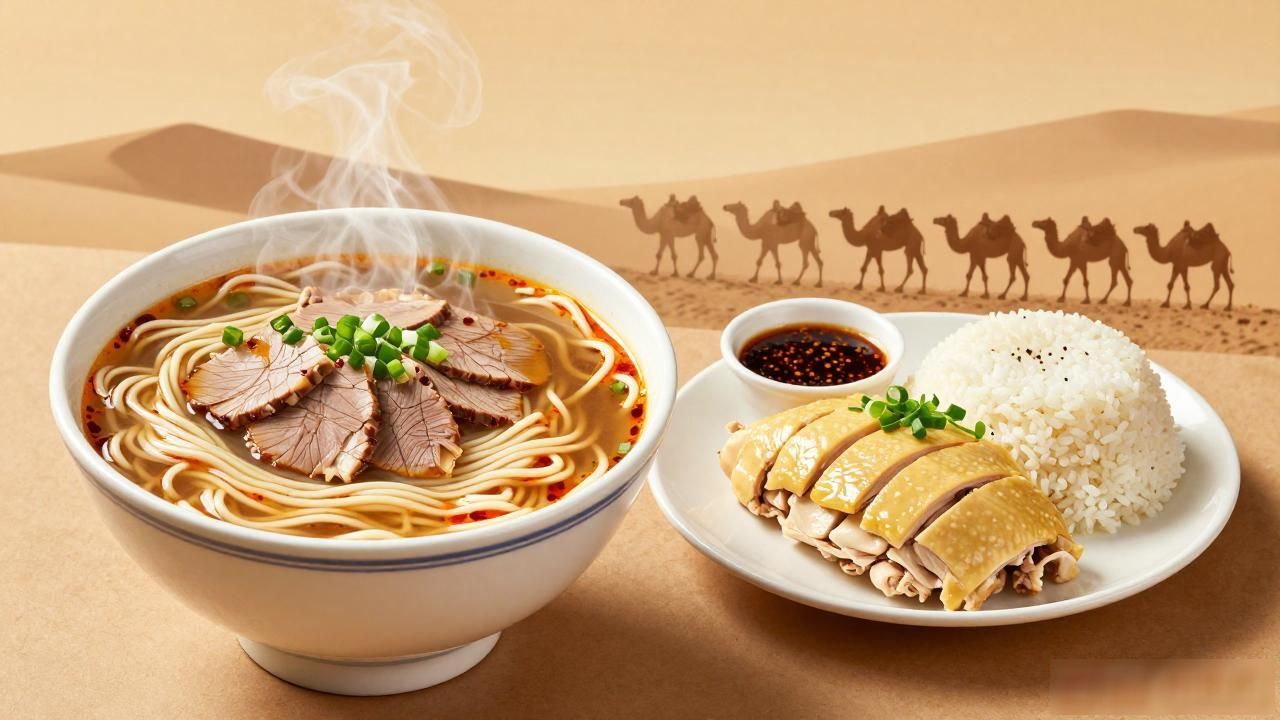
Food also acts as a geographic map. If you taste a single bowl of Lanzhou beef noodles, you are sampling centuries of Silk Road exchange. If you try a Hainanese chicken rice dish, you encounter Southeast Asian influences carried by diaspora communities. Every regional specialty carries layers of migration, adaptation, and local pride. Chinese cuisine is not a single monolith. It is a living archive of how different environments shaped the same civilization in remarkably different ways.
How Do Chinese People Use Food To Connect
In Chinese households, food is never just fuel. It is the language through which love, respect, and belonging are expressed. I remember Sunday afternoons in my grandmother’s kitchen. She would sit me down and teach me how to fold dumplings with precise pleats—a technique passed down from her village, one she refused to let fade away. Those moments were not lessons in cooking. They were lessons in continuity, in understanding where you come from.
Dining is inherently social. Families gather around round tables, sharing plates placed in the center. Nobody eats alone unless they choose to. Even casual meals between friends involve multiple shared dishes, reinforcing the idea that eating together builds relationships. Restaurants, street stalls, and home kitchens all serve this function. The communal style of dining is one of the most distinctive features of Chinese food culture, and it reflects a worldview where shared meals strengthen bonds that last beyond the table itself.
What Makes Street Food So Important
Night markets offer a different kind of intimacy. Vendors set up plastic stools on sidewalks, and strangers become temporary companions over sizzling skewers and steaming bowls. The atmosphere is loud, chaotic, and deeply comforting all at once. There is an energy in street food culture that fine dining cannot replicate. It is unpretentious, immediate, and rooted in ordinary life.
Street vendors in China often operate for decades, sometimes passing recipes down through families. These small businesses survive by adapting to changing neighborhoods, shifting tastes, and economic pressures. They are also remarkably democratic. Whether you are a university student with limited funds or a busy office worker between shifts, street food offers affordability without sacrificing flavor. In rapidly modernizing cities, these vendors represent a tangible link to older ways of life, preserving techniques that might otherwise vanish.
How Can You Experience Real Chinese Food Culture
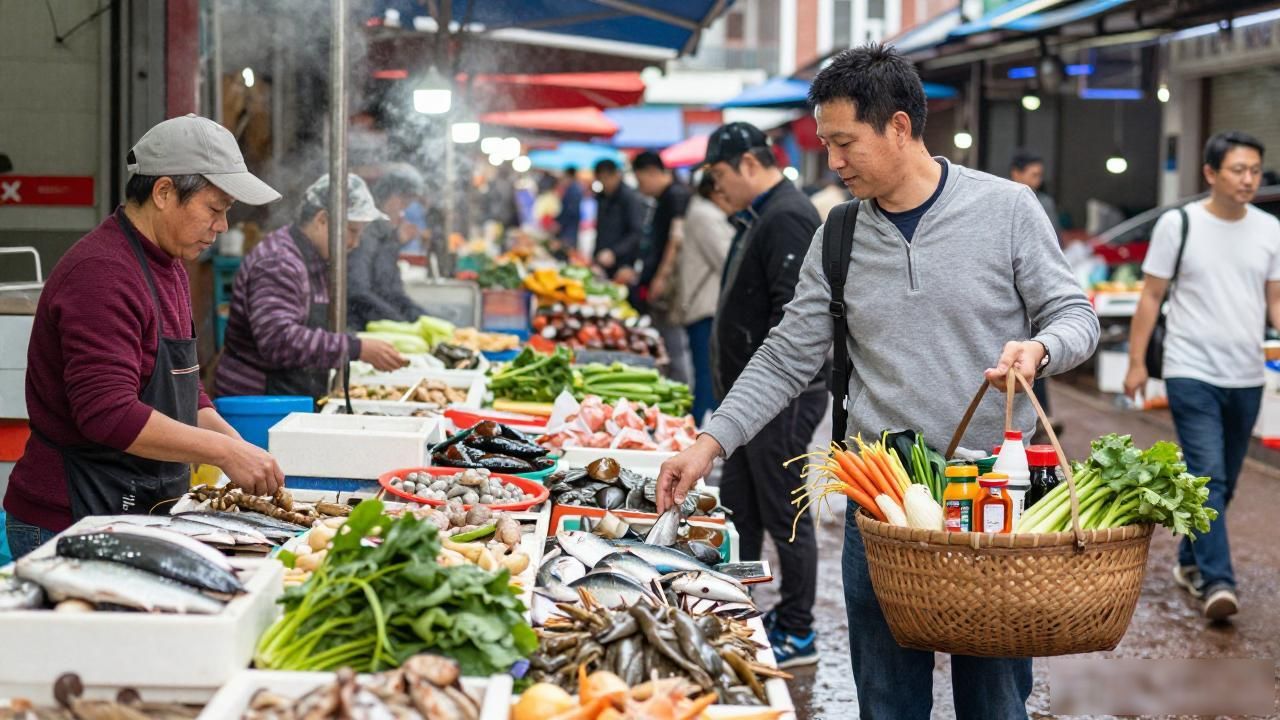
If you want to move beyond buffet-style tourist restaurants, start by visiting wet markets. Walk among vendors selling fresh produce, live seafood, and regional ingredients. Observe how people select items, haggle gently, and carry home groceries in woven baskets. This is where daily food culture lives and breathes.
Night markets are equally revealing. Sit on a low stool, point at whatever looks interesting, and let the vendor explain. The interactions are informal but meaningful, and the food is often superior to what you find in hotel restaurants. Try regional specialties whenever possible. Every province has dishes you will not encounter elsewhere, shaped by local ingredients, climate, and ancestral traditions.
Most importantly, embrace the communal nature of dining. Order several dishes to share. Pass plates around. Engage with the people at your table. The real essence of Chinese food culture is found in the act of sharing itself, not in any single recipe or cooking method.