
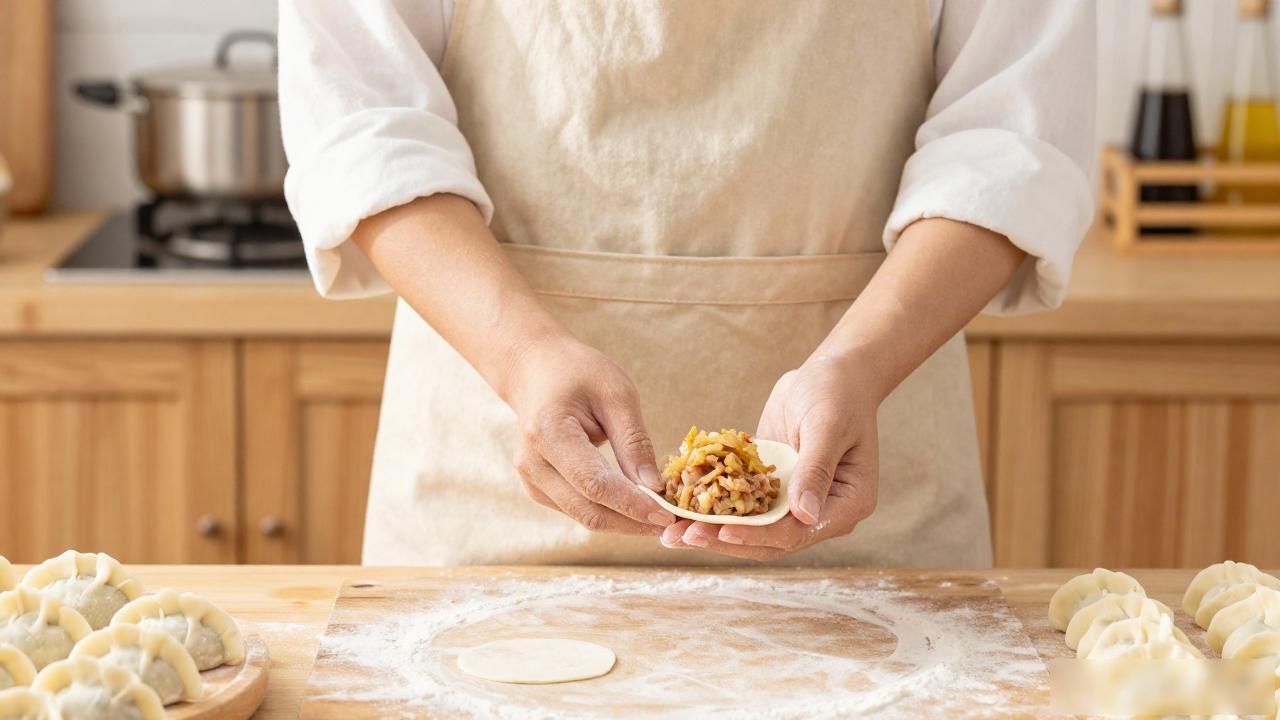
There is a special warmth in the kitchen when dumplings are being made. For many people outside China, the idea of folding these small packets of joy feels like a secret art form. I remember my first attempt—leaky, uneven,and frankly, a bit of a mess. But within that mess was the beginning of a lifelong love for this dish. Making dumplings is not just about feeding yourself; it is about connecting with a tradition that values family, patience, and the perfect balance of flavors.
How to make Chinese dumplings at home

The secret lies in the wrapper and the filling. You do not need to make the dough from scratch if you are a beginner. Store-bought round wrappers work perfectly fine and save a lot of time. The filling, however, needs attention. A classic pork and cabbage filling is the standard for a reason. It is savory, juicy, and universally liked. Start with ground pork that has a bit of fat, mixed with finely chopped napa cabbage. Squeeze the cabbage dry to avoid soggy dumplings.
Add soy sauce, sesame oil, ginger, and a pinch of sugar. Mix it all together in one direction until the meat becomes sticky. This step is crucial for the texture. Place a spoonful of filling in the center of a wrapper. Wet the edges with water and fold it in half. Press the edges firmly to seal. If you want to look professional, create pleats along the edge. It takes practice, but even simple half-moons taste delicious.
Where to find a dumpling tour in China
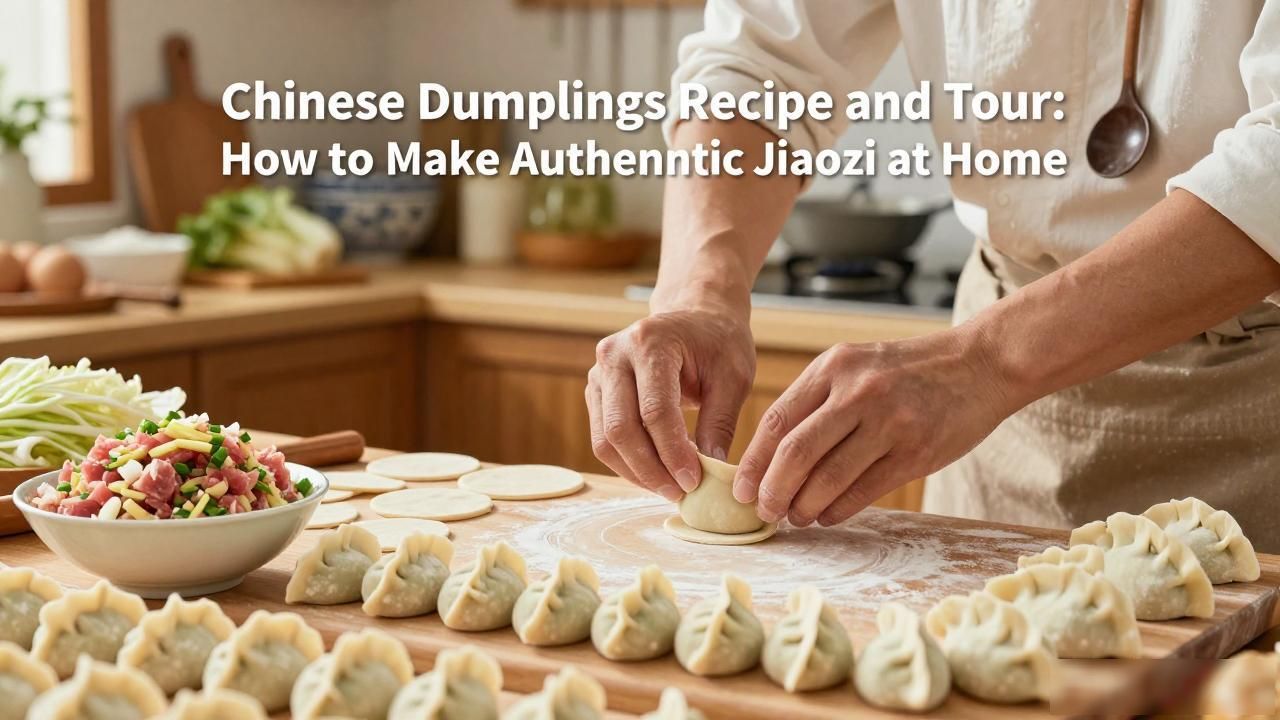
If you want to see dumplings in their natural habitat, a food tour is the best way to learn. Cities like Xi’an and Beijing are famous for their dumpling culture. In Xi’an, you can visit local markets where vendors make huge batches of jiaozi throughout the day. The atmosphere is lively, and the smell of steaming buns fills the air. Guides often take you to hidden alleys where only locals eat.
You will learn how different regions make their dumplings differently. In the north, the skin is thicker and chewier. In the south, wrappers are thinner and more delicate. Tasting these variations gives you a deeper appreciation for Chinese cuisine. It is not just a recipe; it is a cultural experience that brings you closer to the people and their history.
Why homemade dumplings are worth the effort
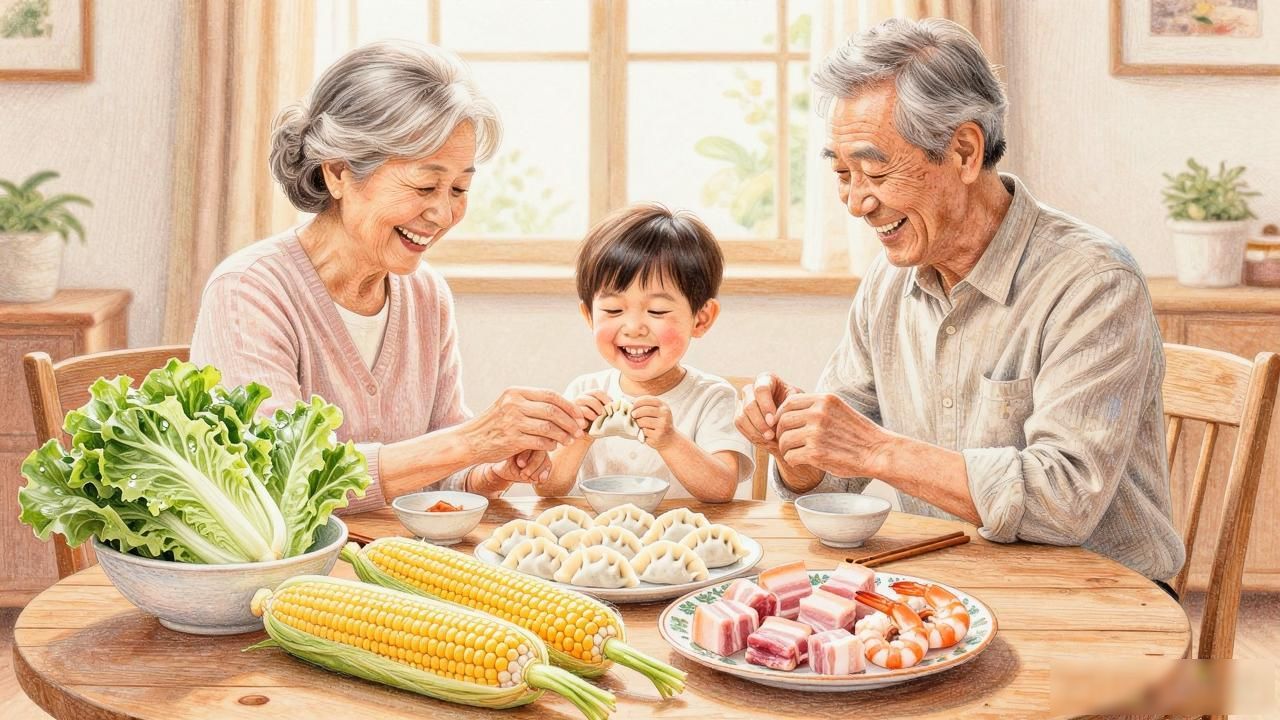
Cooking dumplings at home allows you to control the quality of ingredients. You can use fresh, organic vegetables and high-quality meat. There is also a meditative quality to the process. Sitting around a table with friends or family, folding dumplings together, creates memories that last a lifetime. The taste of your own creation is unmatched by any restaurant dish.
You do not need to be an expert chef to enjoy this journey. Start with a simple recipe and practice a few times. Then, consider booking a tour if you ever visit China. The combination of learning the recipe and experiencing the culture firsthand will transform your understanding of this iconic dish.