
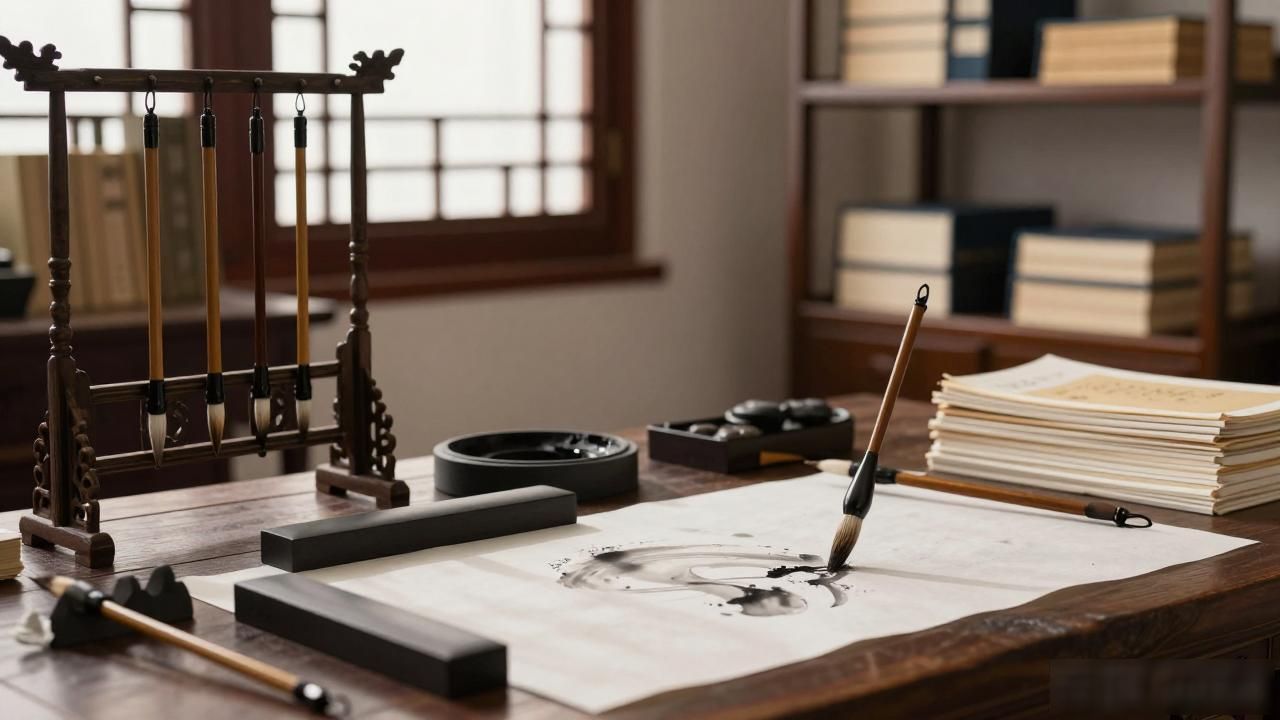
If you have ever watched a brush glide across rice paper or seen intricate red paper designs hanging in shop windows, you have encountered two of China’s most visually striking art forms. Chinese calligraphy and paper cutting may look very different on the surface, but both carry centuries of philosophy, patience, and cultural meaning. Understanding them helps you look at Chinese art with fresher eyes.
What Is Chinese Calligraphy Really About

Chinese calligraphy is far more than beautiful handwriting. It is a disciplined practice that links emotion, breath,and movement through ink on paper. The four essential tools — brush, ink stick, rice paper, and inkstone — are treated with care, and each one influences the final result in subtle ways. When a calligrapher picks up the brush, they are not simply copying characters; they are expressing energy.
The style of each piece reveals the artist’s temperament. Bold, sweeping strokes often belong to artists with confident, expressive natures, while fine, controlled lines tend to come from practitioners who value precision and restraint. Many Western viewers are surprised to learn that calligraphy is considered the highest visual art in traditional Chinese culture, ranking above painting and sculpture in classical literary sources.
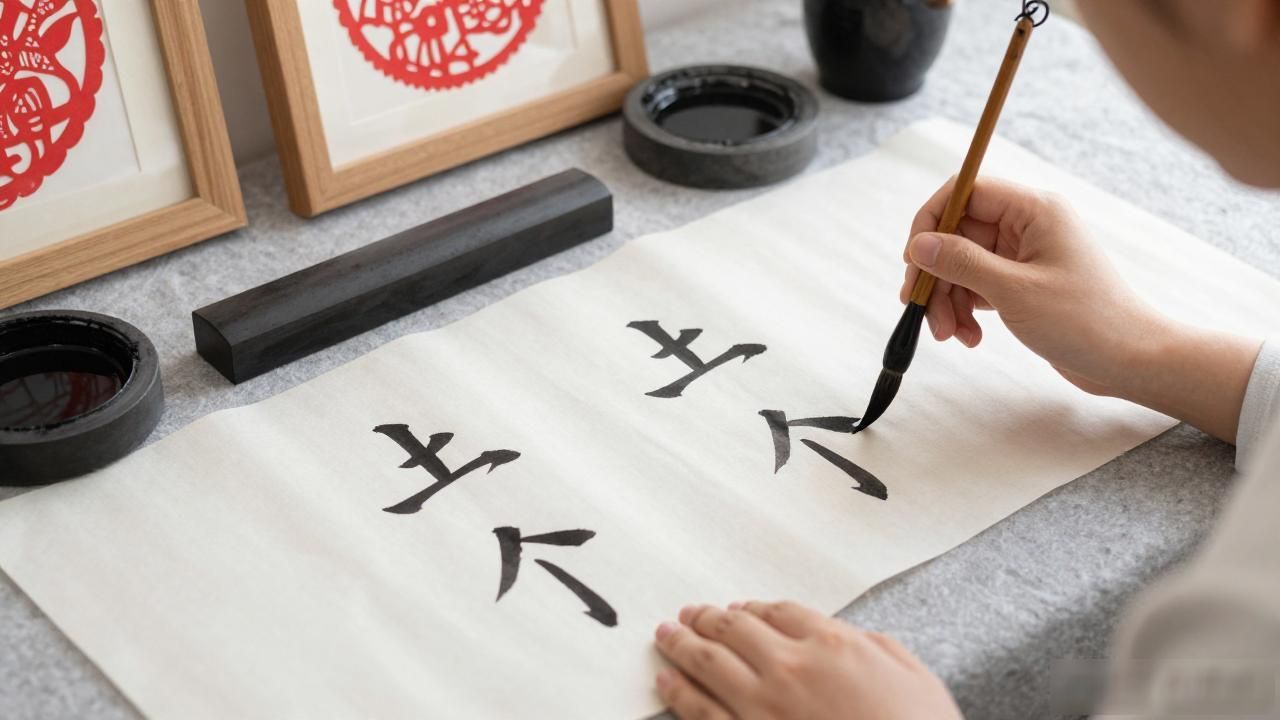
Learning calligraphy requires years of repetition, but beginners can start with simple characters and gradually build muscle memory. The practice is meditative. You cannot rush it. Each character must be given space, balance, and intention, and this slow rhythm is exactly why calligraphy has remained relevant across generations.
How Paper Cutting Connects to Chinese Life
Paper cutting originated thousands of years ago and grew out of everyday celebrations rather than formal academies. Red paper is the most iconic material because red symbolizes luck and happiness in Chinese tradition. During festivals, weddings, and New Year preparations, families paste delicate paper designs onto windows, doors, and walls to invite good fortune into the home.
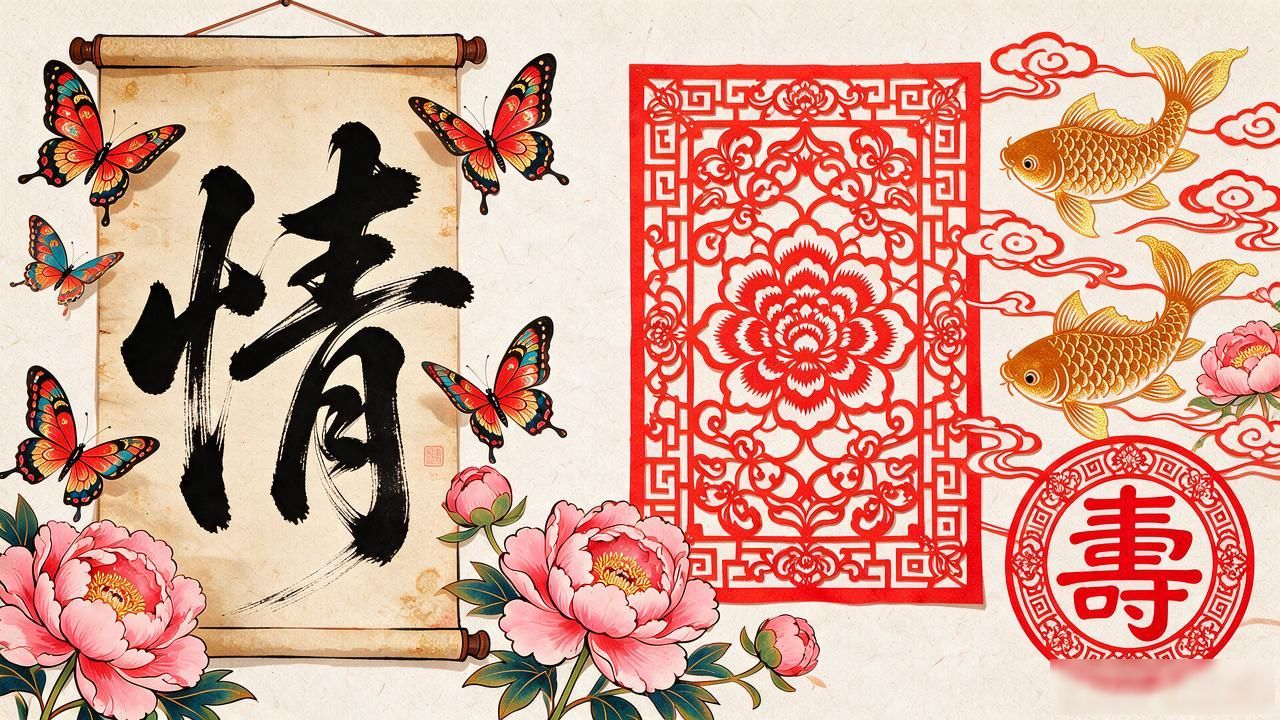
The designs tell stories. You will frequently see butterflies representing love, fish symbolizing abundance, peonies standing for wealth, and the character for longevity appearing in circular patterns. Unlike calligraphy, which is usually viewed quietly in a scroll or album, paper cutting is meant to be experienced in daily life. It turns ordinary spaces into visual blessings.
Both art forms share a deep respect for simplicity and negative space. In calligraphy, the empty area around the brushstrokes carries as much meaning as the ink itself. In paper cutting, the cut-out holes are just as important as the paper that remains. This shared aesthetic philosophy makes the two traditions complement each other beautifully, even though one is writing and the other is cutting.