
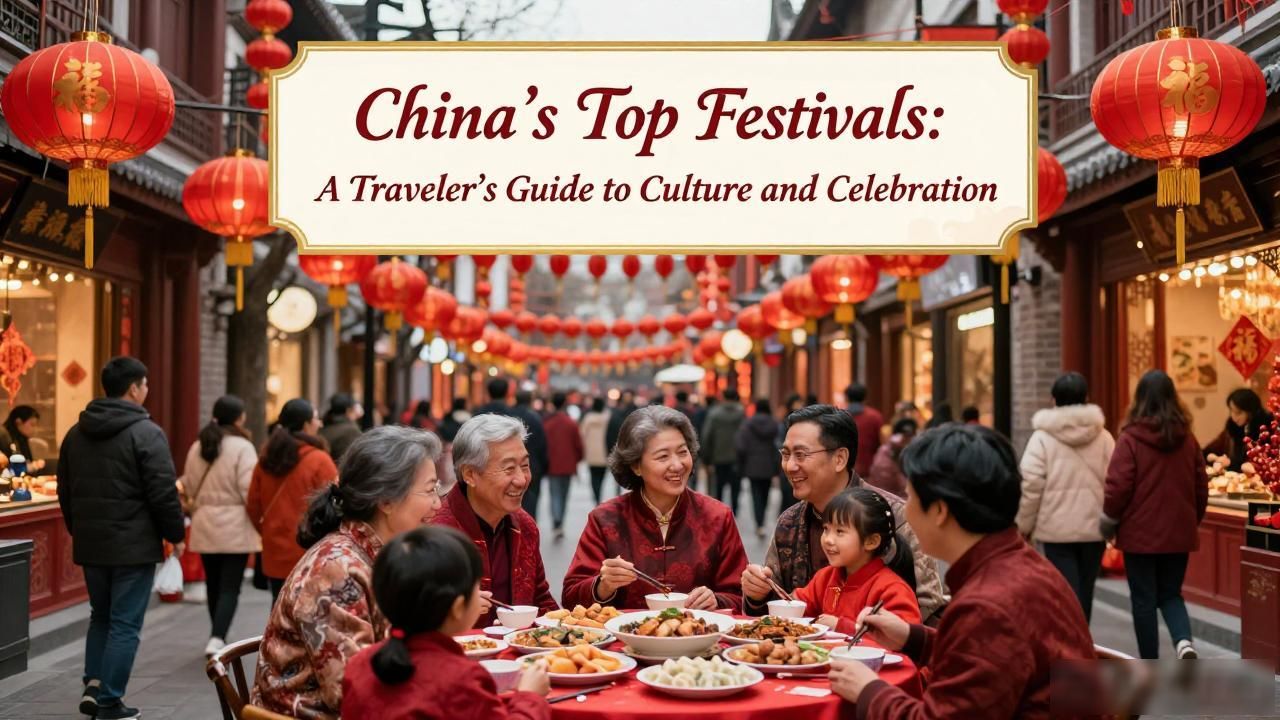
Visiting China during a festival is not just about sightseeing; it is an immersion into the soul of the nation. For tourists, these events offer a rare glimpse into traditions that have shaped Chinese society for millennia. From the vibrant lanterns of the Spring Festival to the communal joy of the Mid-Autumn Festival, each celebration carries deep historical significance and modern relevance. Understanding when and how to participate can transform a standard trip into a memorable cultural experience.
When is the best time to visit China for festivals?

Timing is crucial because festival dates often shift based on the lunar calendar. The most impactful period is usually around Chinese New Year, which falls between late January and mid-February. During this time, cities transform with red decorations, and families gather for reunions. However, travel during this window requires careful planning due to the massive migration known as Chunyun. Another excellent time is the Dragon Boat Festival in early summer, where you can witness energetic boat races and taste zongzi, sticky rice dumplings wrapped in bamboo leaves. These seasons provide a balance of weather comfort and cultural intensity, making them ideal for first-time visitors seeking authenticity.
Travelers should also consider the National Day holiday in early October. While not a traditional ancient festival, it marks the founding of the People’s Republic and features spectacular fireworks, parades, and nationwide decorations. It is a great opportunity to see patriotic fervor and enjoy well-organized public events without the chaos of the New Year rush. Planning ahead ensures you secure accommodations and tickets, as venues fill up rapidly during these peak periods.
How can tourists respectfully participate in local celebrations?
Participation goes beyond watching; it involves engaging with locals in a respectful manner. Dress codes may vary, but modest clothing is always appreciated, especially at religious or ancestral sites. For example, during Qingming Festival, which honors ancestors,behavior should be solemn and quiet. In contrast, the Lantern Festival calls for festive attire and cheerful interaction. Learning basic phrases like “Happy New Year” or “Good health” shows respect and opens doors to genuine connections with hosts and vendors.
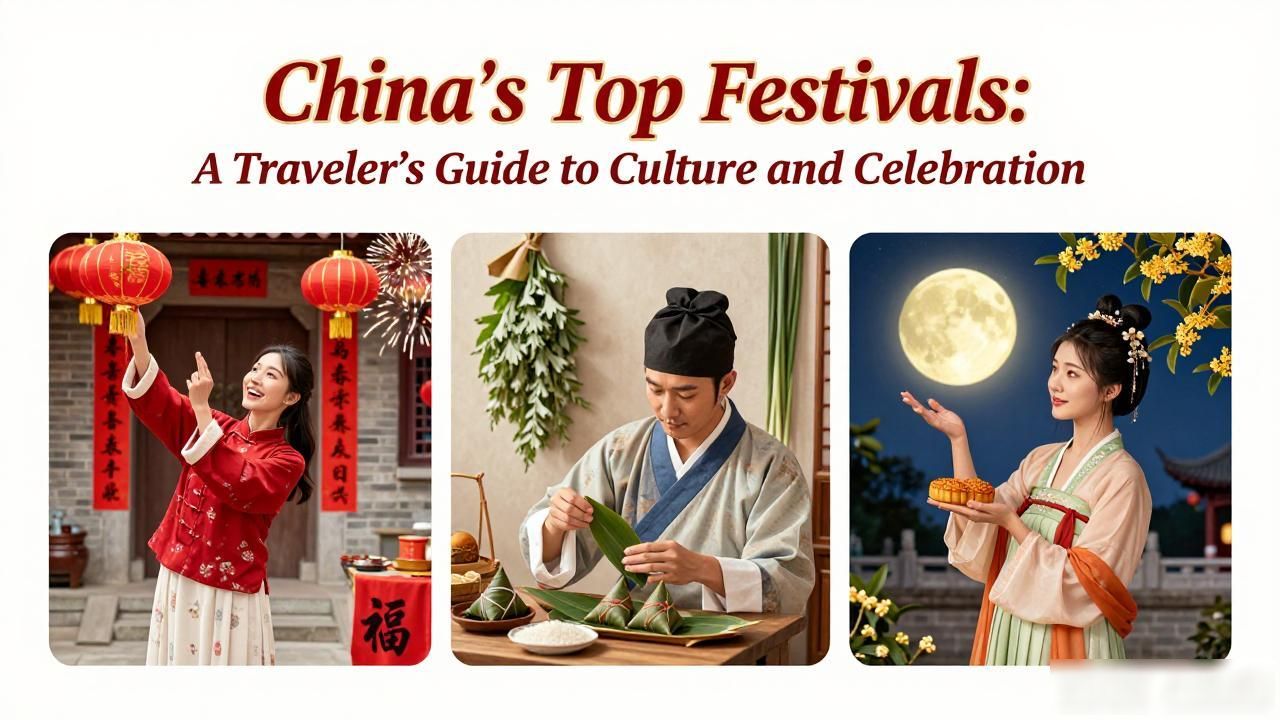
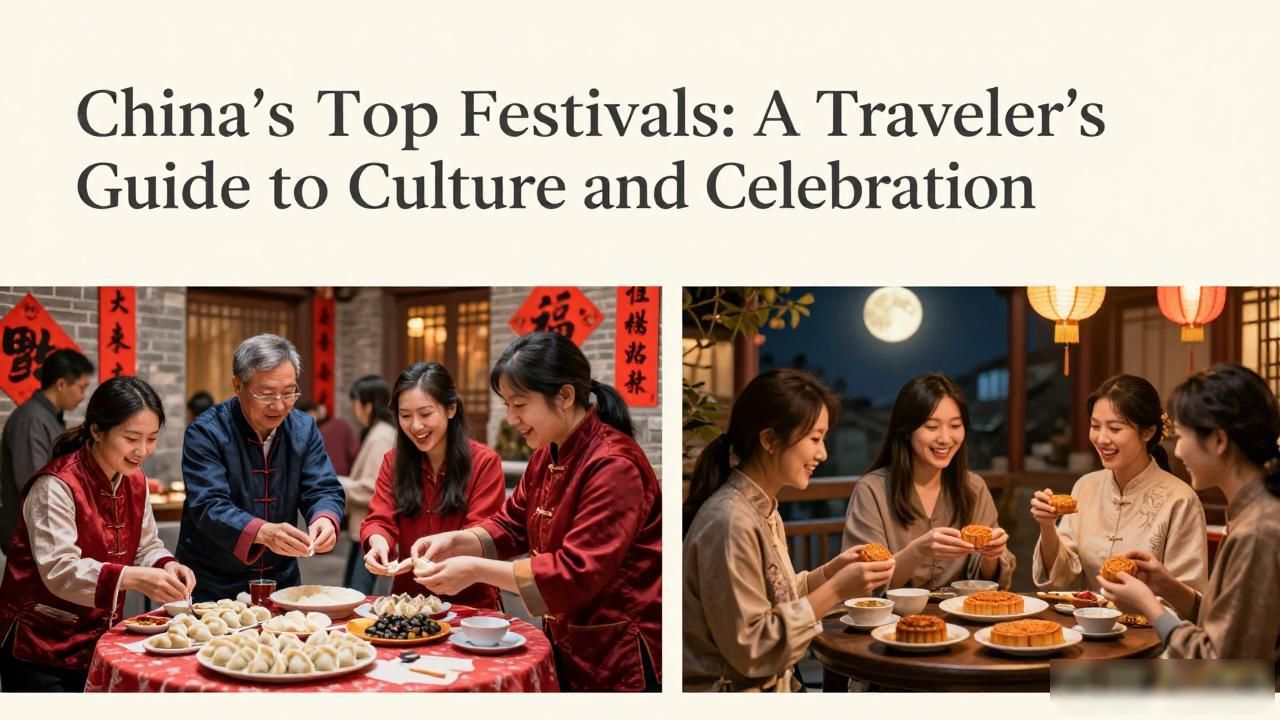
Food is central to almost every festival. Tourists are encouraged to try seasonal delicacies, such as mooncakes during the Mid-Autumn Festival or dumplings during New Year. Sharing food is a sign of friendship and inclusion. Always ask before taking photos of people, particularly during intimate family gatherings or religious rituals. Respecting personal space and avoiding loud noises in sacred areas demonstrates cultural sensitivity. By observing these norms, visitors become welcomed guests rather than mere spectators, enriching their journey with deeper human connections and unforgettable memories.