
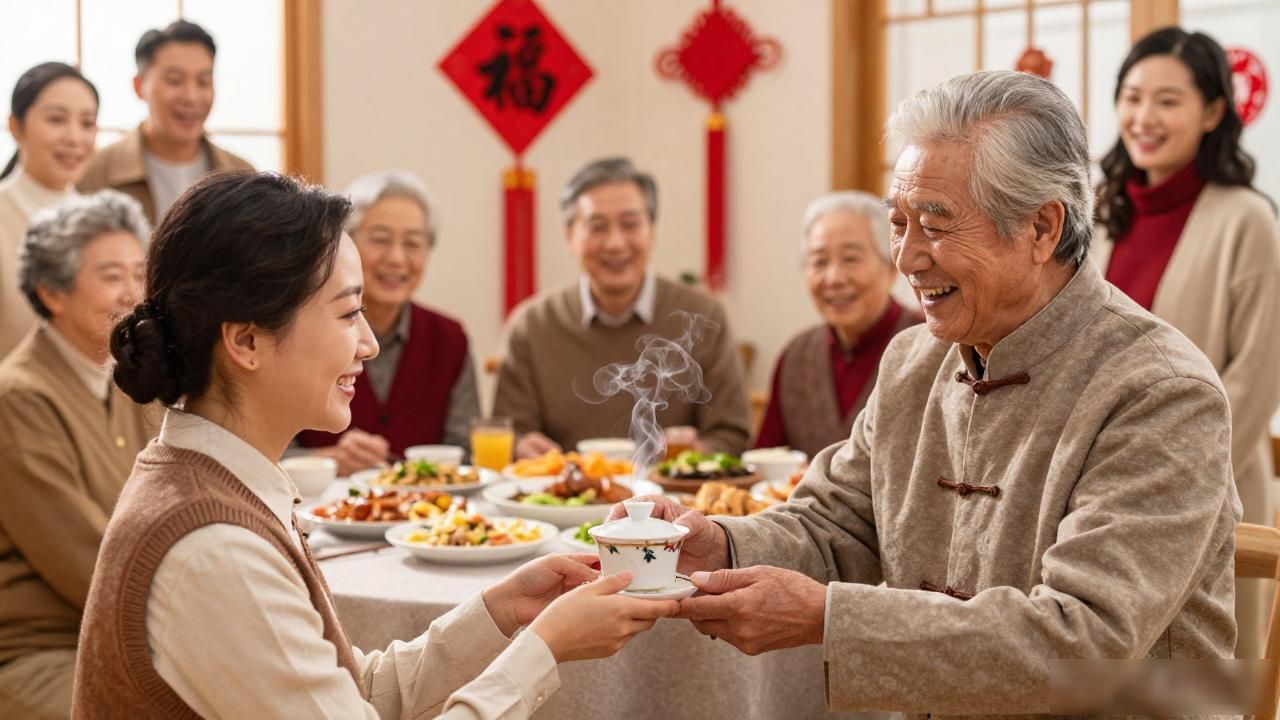
Spring Festival, known locally as Chunyun, marks the most important holiday in China. It’s a time when billions of people journey home, streets fill with red lanterns, and ancient traditions blend with modern celebrations. For foreigners, understanding this festival offers a genuine window into Chinese culture, family values, and social rhythms that shape the world’s second-largest economy.
Why Does Spring Festival Matter So Much
The festival celebrates the lunar new year, typically falling between late January and mid-February. Its roots stretch back over three millennia, tied to agricultural cycles and mythological stories about driving away a beast called Nian. Today, it remains the largest annual human migration on Earth, with nearly three billion trips made during the seven-day holiday period.

This isn’t just about holidays; it reflects deep cultural values. Family reunion dinners, ancestral worship, and respect for elders form the festival’s core. Foreign visitors often notice how professionals drop everything to return to their hometowns, even when tickets are impossible to obtain. The emotional weight of these traditions creates an atmosphere unlike any other time of year.
What Travelers Should Know Before Visiting
Businesses close early, many shops shut down entirely, and transportation hubs become overwhelmingly crowded. Booking accommodations months ahead proves essential, as prices surge and availability vanishes. The festival period transforms urban landscapes into quiet, almost ghostly versions of themselves, while rural areas celebrate with vibrant community events.
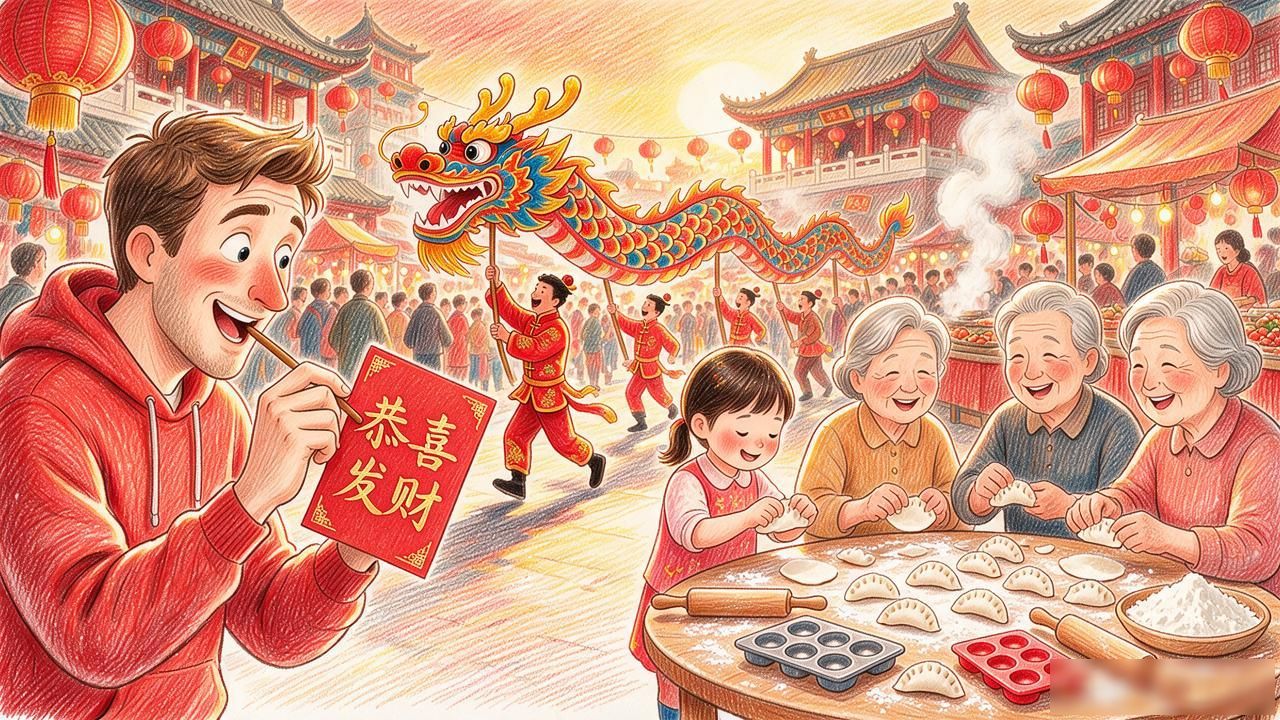
Visitors should embrace the cultural differences rather than resist them. Learning basic Mandarin greetings like “gong xi fa cai” (wishing you prosperity) earns genuine smiles. Participating in local temple fairs,watching dragon dances, or joining a community dumpling-making session provides memorable experiences that guidebooks rarely capture.
How to Navigate the Celebrations Respectfully
Red envelopes containing money, called hongbao, are exchanged between generations as symbols of good fortune. Foreigners might receive these from host families or friends, which represents trust and inclusion rather than obligation. Dressing modestly, avoiding black or white clothing (associated with mourning), and showing patience during crowded events demonstrates cultural sensitivity.
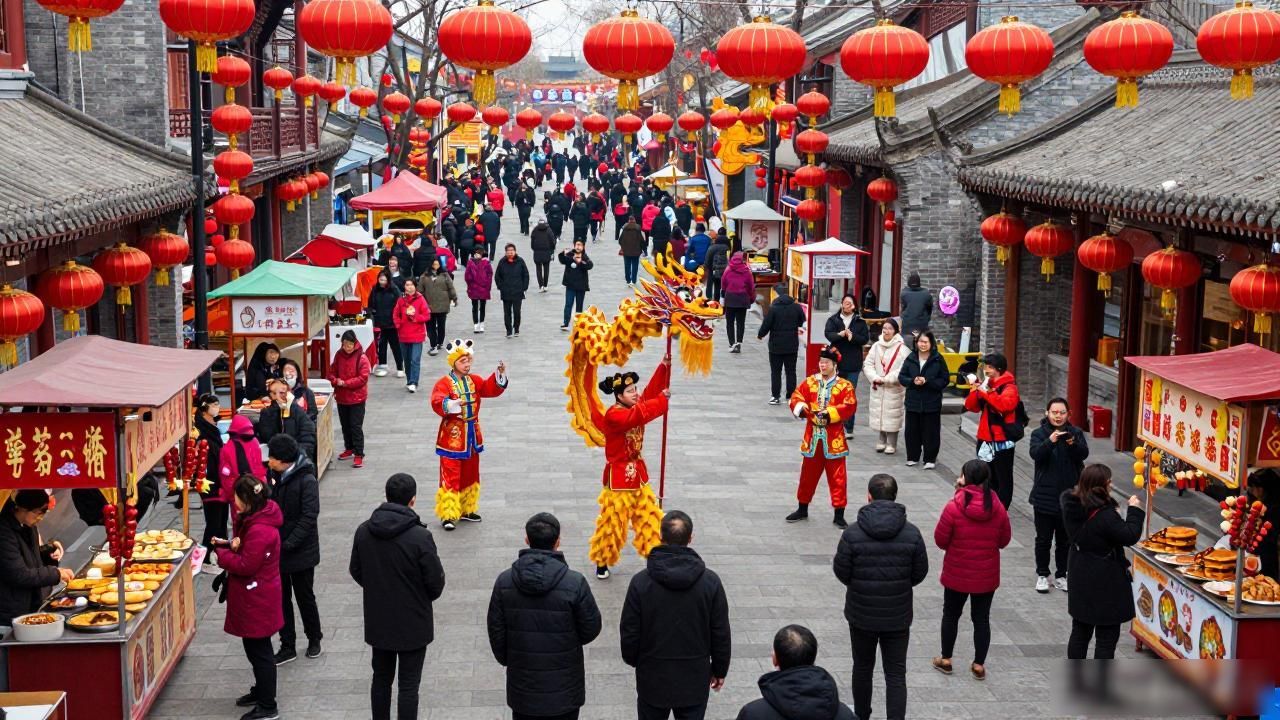
Many cities now offer designated tourist zones with performances, food stalls, and guided tours specifically designed for international visitors. These organized experiences balance authenticity with comfort, allowing newcomers to witness traditional rituals without feeling overwhelmed by the scale of celebrations happening nationwide.
The festival’s energy is contagious, yet it requires flexibility and open-mindedness. Transportation delays, limited services, and language barriers test patience but ultimately reward visitors with profound insights into Chinese values of family, renewal, and community. This understanding transforms a simple holiday into a meaningful cultural exchange that extends well beyond the seven-day celebration itself.