

Understanding what it takes to legally enter China can feel overwhelming at first glance. The process involves several layers of paperwork, eligibility checks, and sometimes unexpected hurdles that catch travelers off guard. I have spent years helping foreigners navigate these procedures, and I can tell you that preparation makes all the difference between a smooth application and a frustrating ordeal.
This guide covers the essential information every foreigner should know before applying for a Chinese visa, from visa categories to processing timelines.
What visa category matches my travel purpose
China issues several visa types, each tailored to specific purposes of entry. The most common ones foreigners encounter are the L visa for tourism,the M visa for business activities, and the Z visa for employment. Students require an X visa, while journalists need an RJ visa specifically designated for media work.

Choosing the wrong category is one of the most frequent mistakes applicants make. An L visa does not permit business negotiations or signing contracts. Similarly, attempting to conduct paid work on a tourist visa can lead to serious legal consequences. Always match your visa type to your actual activities in China.
Tourists from certain countries may qualify for visa-free transit programs lasting up to 144 hours. This option works well for short layovers or quick city visits while waiting for connecting flights. However, it comes with restrictions. You cannot leave the designated city region during this period, and you must hold a confirmed onward ticket to a third country.
Business travelers should carefully distinguish between attending meetings and engaging in actual commercial operations. The M visa accommodates trade fairs, factory visits, and contractual discussions, but it does not cover employment. If your company plans to deploy staff to China for extended work, a Z visa with proper work authorization is mandatory.
Which documents must I prepare for application

The core document requirement revolves around a valid passport, completed application form, and a recent passport-style photograph. Your passport must have at least six months of remaining validity and contain two blank visa pages. Applications submitted with expired or insufficiently valid passports are rejected immediately.
The photograph specification is stricter than most applicants expect. It must measure 48 millimeters by 33 millimeters with a white background, showing a full-face view without glasses or headwear unless required for religious reasons. Many applicants fail on this technical detail alone.
Additional supporting documents vary by visa category. Tourist applicants typically need hotel reservations and a detailed travel itinerary. Business visa seekers require an invitation letter from a Chinese company registered with the relevant authorities. Employment visa applicants face the most extensive documentation, including a work permit notification and educational or professional credentials.
Recent policy changes have introduced digital submission options in select cities. Applicants in major metropolitan areas can sometimes upload documents electronically before attending an in-person appointment. However, consulates in smaller jurisdictions may still require physical document submission, so verifying local procedures beforehand is essential.
How long does processing take and what costs involved
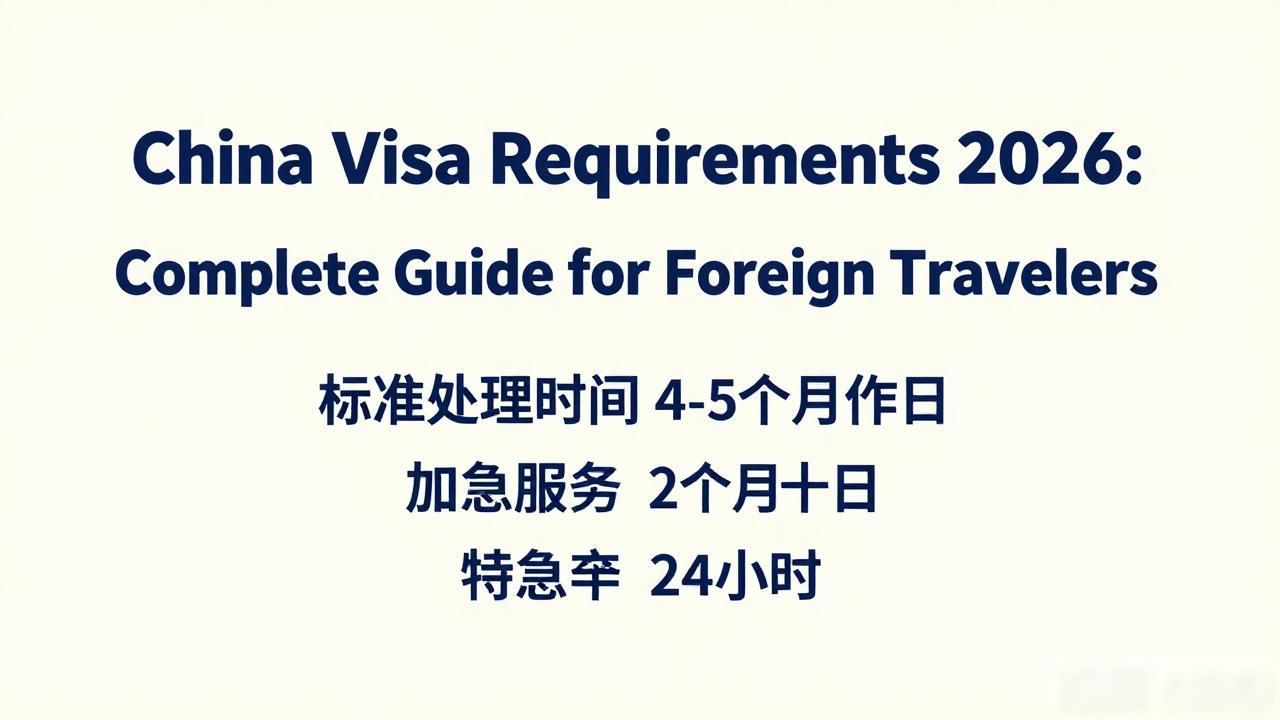
Standard processing time ranges from four to five business days for most visa categories. Express service reduces this to two business days at an additional fee, while rush service can deliver results within twenty-four hours for urgent cases. The fastest option commands a premium price but proves invaluable when travel plans shift unexpectedly.
Application fees depend on nationality, visa type, and number of intended entries. Single-entry visas generally cost between thirty-five and sixty dollars for most nationalities. Double or multiple-entry visas carry higher fees, and some countries negotiate different rates through bilateral agreements. Checking the current fee schedule on the official Chinese embassy website for your country is the safest approach.
Additional costs may include courier services for passport return and optional travel insurance. Some visa application centers charge a service fee on top of the government visa fee. Planning your budget to accommodate these extra expenses prevents unpleasant surprises.
Understanding these requirements thoroughly before starting your application saves considerable time and reduces the risk of rejection. China remains an incredibly rewarding destination, and securing the proper visa is the key that unlocks the experience.