
For many international travelers, the idea of entering China without a traditional visa feels like a significant shift from the past bureaucratic hurdles. Understanding the “China visa free application process” is no longer about filling out endless paperwork, but rather about knowing specific entry conditions. Most people assume that all foreigners are automatically exempt, which is a dangerous misconception. The reality is that visa exemption applies to specific nationalities, within strict time limits, and for defined purposes. Getting this wrong can lead to denied boarding or entry at the airport. This guide breaks down the actual mechanics of how this process works for you, stripping away the legal jargon to focus on what matters for your trip.
Who Actually Gets the China Visa Free Deal

Not every passport qualifies for the visa-free entry. This policy primarily targets citizens of specific countries, such as Singapore, Japan, and several European and American nations. It is crucial to check the current list before booking flights. The exemption usually allows stays of up to 30 days, though some nationalities can stay for 14 or even 72 hours under transit visas. Many travelers confuse the “Visa Waiver Program” with the “Transit Without Visa” (TWOV) scheme. If you are arriving in Shanghai, Beijing, or Guangzhou and connecting to a third country within a specific timeframe, you might qualify for a different, shorter exemption. The rules change frequently, so relying on outdated blogs can get you into serious trouble. Always verify your eligibility against your specific passport type.
The purpose of your visit is also a major factor. Tourism is generally covered, but business activities require a separate visa. Working, studying, or long-term residence are never covered under the visa-free scheme. If you plan to do freelance work or meet with clients for extended periods, you are not eligible for the waiver. Airlines often check these details rigorously. If your flight itinerary suggests you are staying longer than the permitted 30 days, or if you lack a confirmed departure ticket to a third country, you may be turned away at the gate in your home country. This is a practical step in the “application process” that happens before you even arrive in China.
How to Navigate Entry Without a Visa
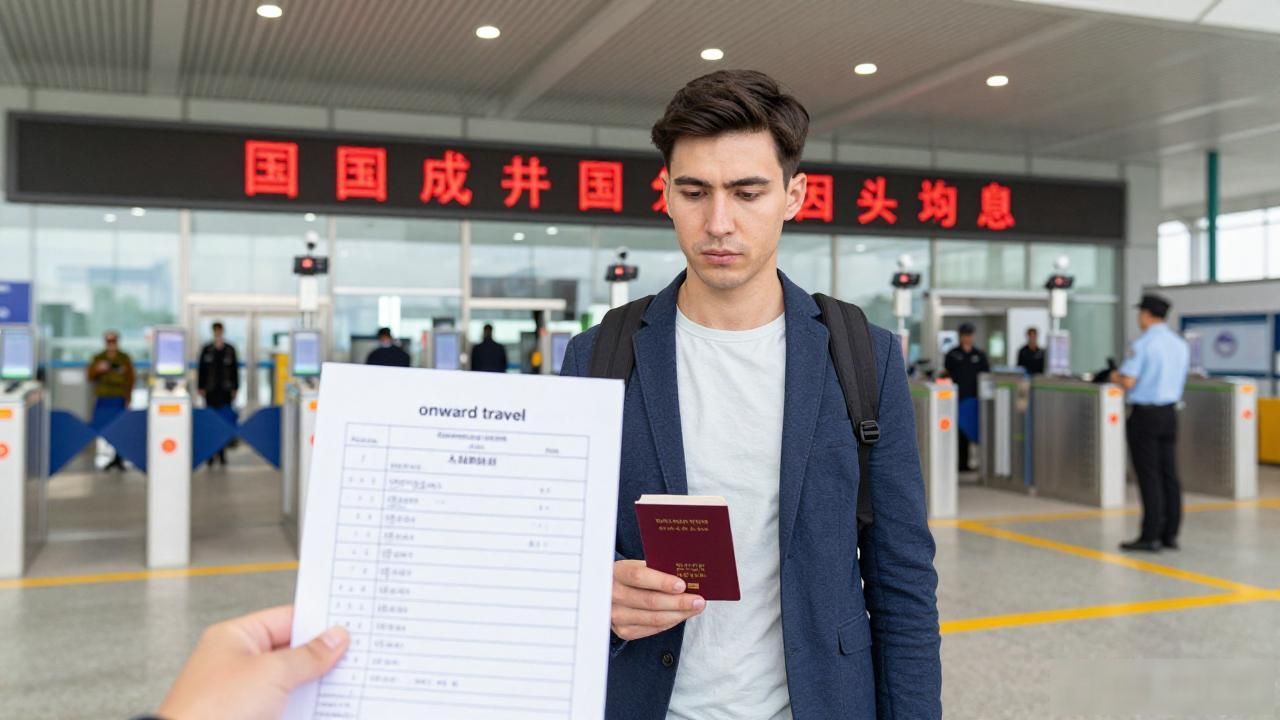
There is no formal “application” in the traditional sense where you submit documents weeks in advance. Instead, the process happens at the border. You need to present a valid passport with sufficient validity (usually six months beyond your entry date). You must also show proof of onward travel. This can be an airline ticket to a third country or back to your home. Some immigration officers may ask for hotel bookings for the duration of your stay. While not always strictly required, having a digital copy of your accommodation details on your phone can speed up the clearance process. The “application” is really just a readiness check at the immigration counter.
Navigating the physical airport is another part of the process. Know which terminal you are arriving in. International arrivals at major hubs like Beijing Capital or Shanghai Pudong involve long queues. Having your documents organized and ready can shave off valuable time. Once you pass immigration,you are officially in China. Do not overstay your limit. The 30-day clock starts from the day of entry. If you plan to extend your stay, you must go to the local Exit-Entry Administration before the deadline. Overstaying results in heavy fines and potential bans from future entry. This administrative step is often overlooked by casual tourists who assume they can just leave when they feel like it.
Common Pitfalls to Avoid

Many travelers make the mistake of assuming that visa-free entry means they can buy a domestic flight to anywhere in China without restriction. While domestic travel is generally fine, you must register your stay with the local police within 24 hours of arriving at a new accommodation. This applies to hotels, Airbnbs, and even staying with friends. Hotels do this automatically for you, but independent travelers must handle it themselves. Failure to register can lead to detention or fines. This is a critical part of the compliance process that is rarely mentioned in quick travel guides.
Another frequent error is using the visa-free policy as a way to live in China indefinitely by hopping in and out every 30 days. Border officers are vigilant about this practice. If you show a pattern of back-to-back entries, your visa may be rejected or you may be banned. The system is designed for short visits, not residency. Plan your exit strategy carefully. Ensure your passport is valid for your entire intended stay plus buffer. If your passport expires during your trip, you will have to fly out to a third country to renew it, which ruins the convenience of the visa-free scheme. Stay informed, check official sources, and respect the rules to ensure a smooth experience.