
Visiting China doesn’t always require a traditional visa stamped in your passport. Over the past few years, China has opened up its borders significantly, introducing a range of visa-free entry options that make travel simpler than ever. Whether you’re a transit passenger looking to explore a Chinese city, a tourist eager to spend a few days in Hainan,or a neighbor passing through a shared land border, there are legitimate pathways that don’t demand the full visa application process. Let me walk you through what’s actually available.
Where Can I Enter China Without a Visa
China offers several distinct visa-free entry programs, each with its own rules and eligible countries. The most popular option for international travelers is the 24-to-144-hour Transit Without Visa (TWOV) program. This allows passengers from eligible countries who are passing through China to another destination to enter and stay in designated cities for up to six days. Major hubs like Beijing, Shanghai, Guangzhou, Chengdu, and Hangzhou all participate in this scheme. You simply need a confirmed onward ticket and a valid passport from an eligible nation.

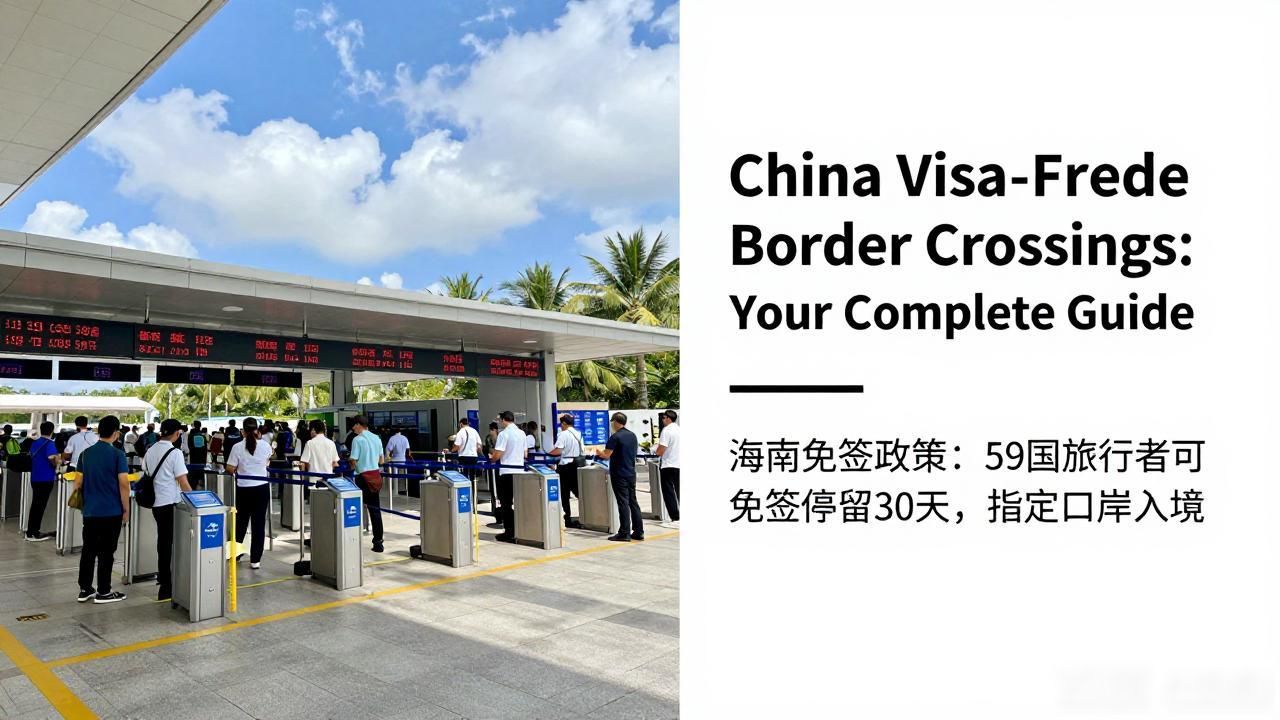
The Hainan Province also runs its own separate visa-free policy. Travelers from 59 countries, including the United States, the United Kingdom, Canada, and most of Europe, can visit Hainan for up to 30 days without a visa. The catch is that you must arrive through designated ports in Hainan, and you cannot use this waiver to travel elsewhere in mainland China. It’s an excellent option if Hainan is your actual destination.
For land border crossings, China has extended visa-free access for citizens of neighboring countries. Belarusians, Malaysians, Singaporeans, and Thais can enjoy 15-day visa-free entry at all port types, including land borders. Meanwhile, citizens of Saudi Arabia, the United Arab Emirates, Qatar, and a handful of other Gulf nations recently gained access to a 30-day visa-free stay at selected ports of entry.
How Long Can You Stay Under Visa-Free Rules
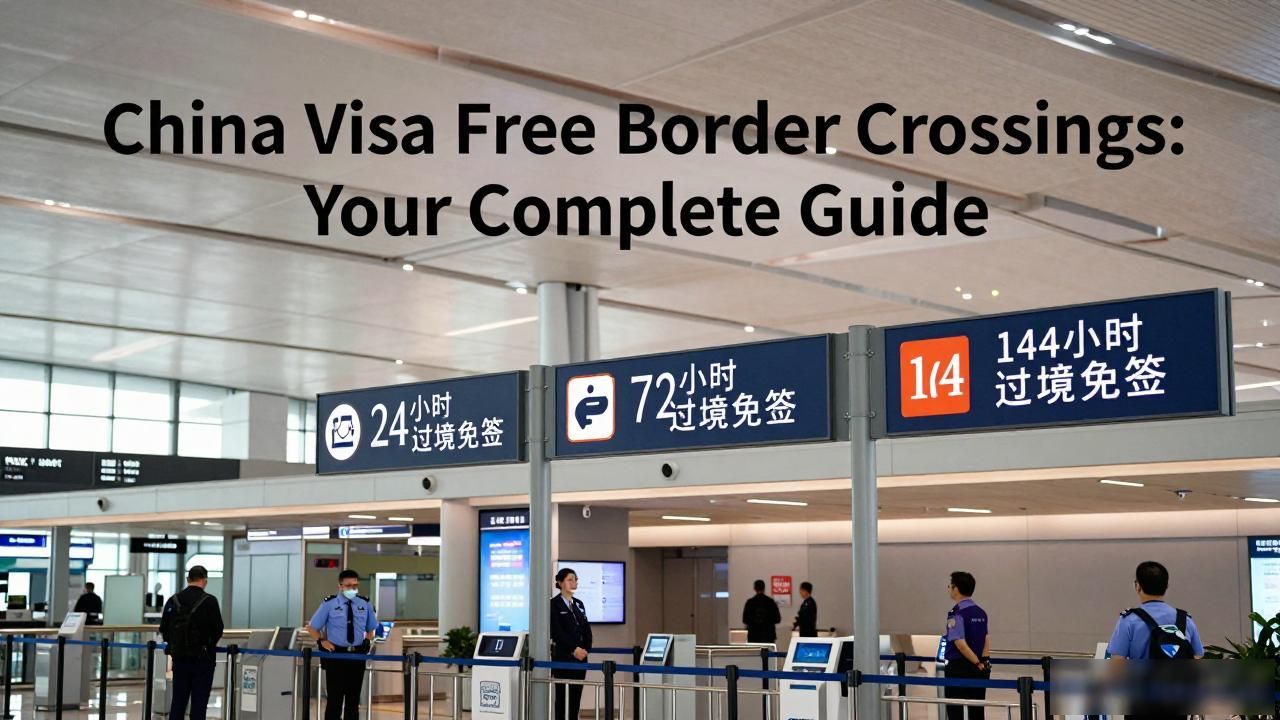
The duration of your stay depends entirely on which policy applies to your situation. The 24-hour transit waiver is quite strict — it permits only a short layover exploration, typically no more than a single day in the port city. Most travelers actually benefit from the 72-hour or 144-hour transit options, which open up entire regions for genuine sightseeing.
Under the 144-hour program, you must enter and exit from the same city or municipality. For example, if you arrive in Shanghai, you need to depart from Shanghai or one of the nearby cities in the Yangtze River Delta region such as Hangzhou or Ningbo. Crossing into a different province would violate the terms of the waiver.
Hainan’s 30-day visa-free entry is far more generous and lets you explore the island at your own pace. But remember, this privilege doesn’t extend beyond Hainan’s borders. If you wish to travel to mainland China, you’ll need to obtain a proper visa through the standard channels.
What Documents Do You Need to Qualify
Eligibility isn’t automatic just because you hold a passport from an eligible country. For transit without visa entry, you’ll need a valid passport with at least six months of remaining validity and a confirmed airline or train ticket to a third country or region. Your onward journey must depart within the permitted time window — 24, 72, or 144 hours depending on the specific program.
Border land crossings may have additional requirements. Some land ports restrict which nationalities can enter visa-free, so it’s worth checking the specific port of entry before you travel. Immigration officers at the border will review your documents and may ask about your travel plans, so having a clear itinerary is helpful.
Regardless of which visa-free pathway you choose, make sure your passport has enough blank pages and that all your travel documents are in order. Always double-check the latest entry requirements before your trip, as China frequently updates its visa policies and new agreements are being added regularly.