
China’s travel safety regulations are designed to protect both visitors and locals, covering everything from traffic rules and hotel fire codes to food hygiene and emergency response. For foreign tourists, understanding these rules is not just about avoiding fines—it’s about staying safe and enjoying a smooth trip. Whether you’re hiking in Zhangjiajie or shopping in Shanghai, knowing the basics can make all the difference.
What are the key safety rules for tourists in China
The first thing to know is that China enforces strict ID registration for all travelers. Hotels must scan your passport and report your stay to local police within 24 hours. This isn’t just bureaucracy—it’s a safety measure that helps authorities locate you in case of emergencies like natural disasters or accidents. If you stay in a private home, the host must register you at the local police station within 24 hours too.

Another major rule involves transportation safety. Seatbelts are mandatory in all vehicles, including taxis and ride-hailing cars. China also has a zero-tolerance policy for drunk driving, and random breath tests are common at night. For tourists renting e-bikes or scooters,helmets are required by law in most cities, and riding on sidewalks is often prohibited.
Public spaces like parks, metro stations, and shopping malls have strict fire safety regulations. You’ll notice fire extinguishers, emergency exits, and evacuation maps everywhere. Smoking is banned in most indoor public areas, including restaurants and hotels, with fines for violations. These rules are taken very seriously, and compliance is high.
How do safety regulations affect my travel plans
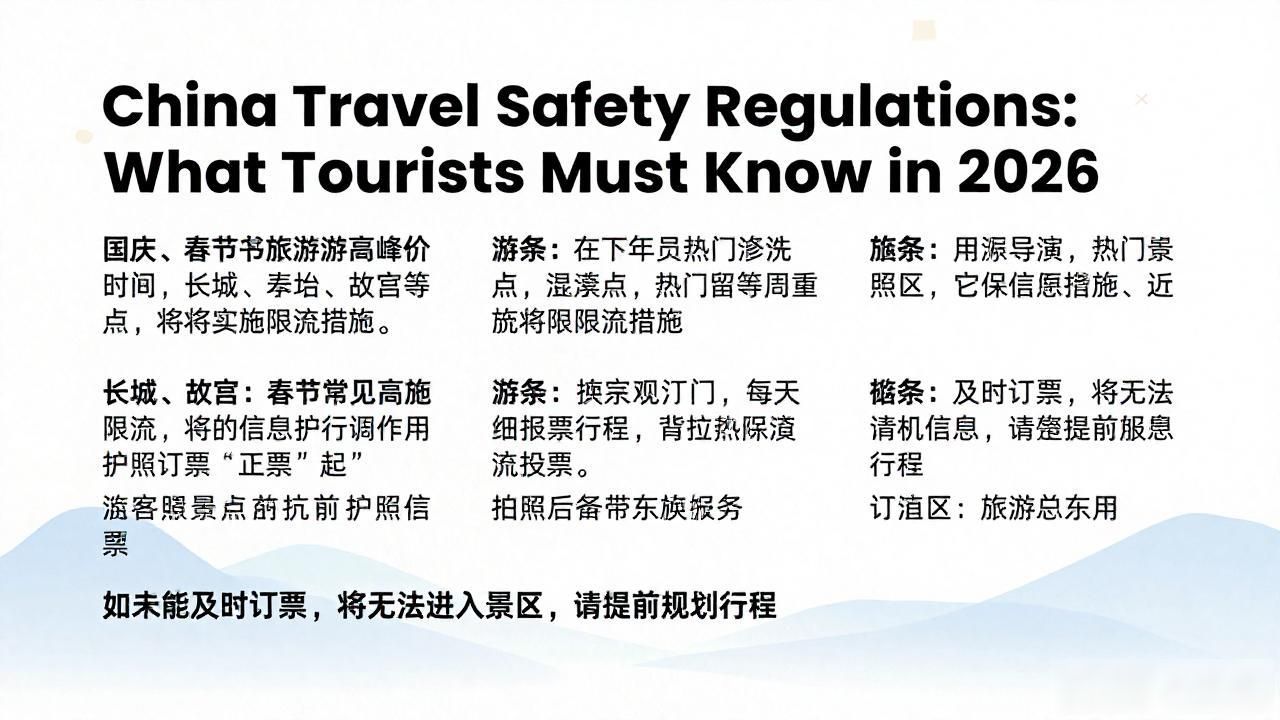
Your itinerary may be impacted by crowd control regulations. During peak seasons like National Day or Spring Festival, popular attractions like the Great Wall or Forbidden City cap daily visitor numbers. You must book tickets in advance with your passport details. Missing the booking window means you simply cannot enter—no exceptions.
Food safety is another area with strict rules. All restaurants must display their food safety rating (A, B, or C) near the entrance. Street food vendors are required to have health permits and operate in designated areas. If you get food poisoning, you can report it to the local health bureau, and they will investigate within 24 hours. This system has dramatically reduced foodborne illnesses in recent years.
For outdoor activities like hiking or camping, you need to follow local safety advisories. Some scenic areas require you to register your route and expected return time. Weather warnings, especially for typhoons or heavy rain, can lead to sudden closures of trails or beaches. Always check the official tourism app or ask your hotel for updates.
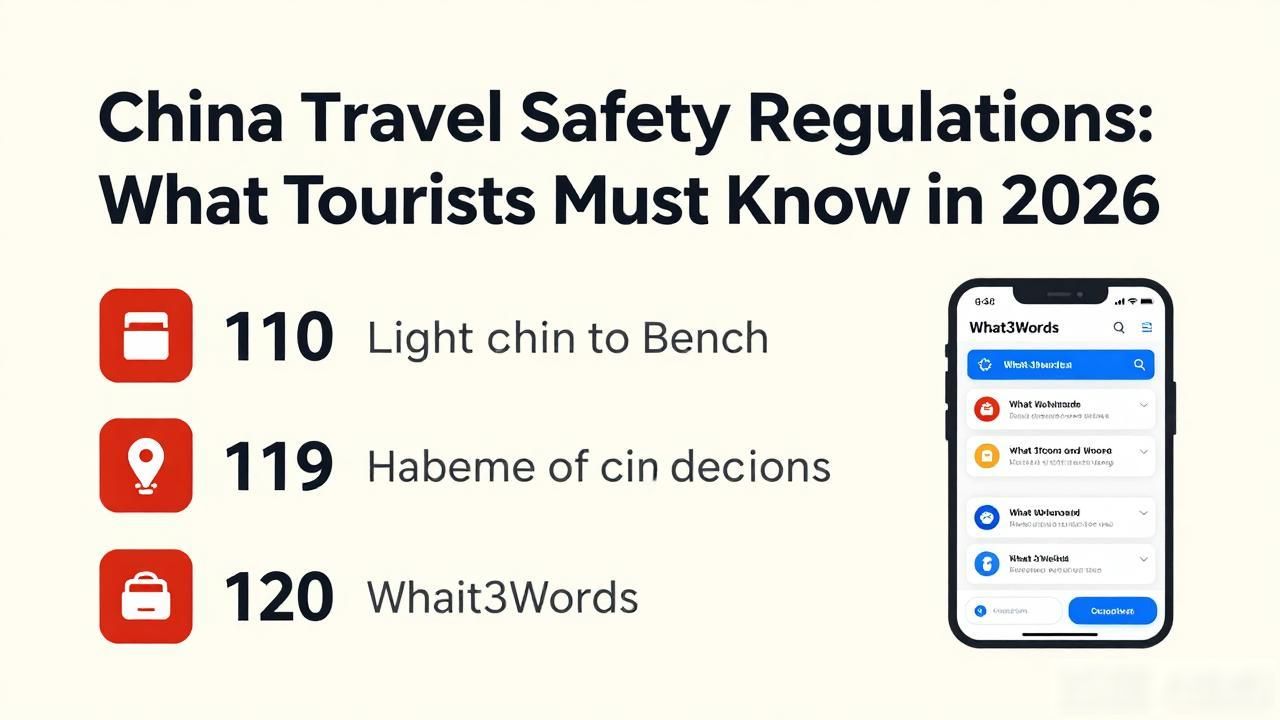
Emergency numbers are standardized across China: 110 for police, 119 for fire, and 120 for ambulance. Most operators have English-speaking staff available. In case of an accident, stay calm and provide your exact location—many tourists use the “What3Words” app to describe their position accurately.
Following China’s travel safety regulations isn’t about limiting your freedom—it’s about creating a predictable, secure environment for everyone. By respecting these rules, you not only protect yourself but also contribute to the safety of millions of travelers who visit China every year. Pack your passport, check the local rules, and enjoy your journey with confidence.