
China has become one of the most visited destinations in the world, drawing millions of international travelers each year. Behind the bustling cities, ancient temples, and stunning landscapes lies a well-established framework of travel safety regulations designed to protect visitors and maintain order. For foreign tourists planning a trip, understanding these rules is essential to a smooth and worry-free experience.
What are China’s Entry and Visa Requirements for Safety
Getting into China involves more than just booking a flight. Foreign visitors must obtain the appropriate visa before arrival, unless they qualify for a visa exemption program. China offers visa-free transit policies for travelers from certain countries, allowing stays of 24, 72, or 120 hours depending on the city and eligibility criteria. During the application process, you may need to provide proof of accommodation, round-trip tickets,and travel insurance, all of which serve as basic safety checkpoints.

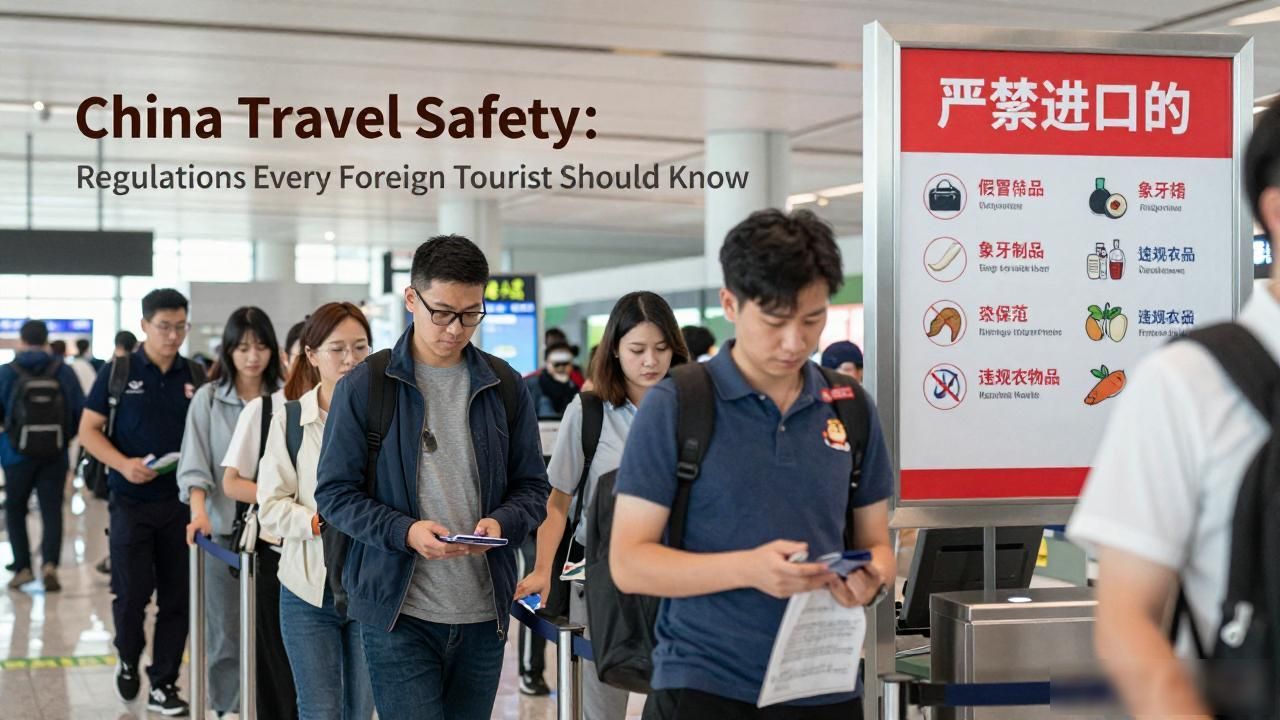
Upon arrival, every visitor passes through immigration and customs screening. Customs regulations strictly prohibit the import of counterfeit goods, endangered species products, and certain agricultural items. Declaration procedures are straightforward, but failing to comply can result in fines or confiscation. Being honest and prepared at customs significantly reduces delays and potential legal complications.
How Safe Are China’s Public Transport and Tourism Facilities
China’s transportation network is modern, extensive, and generally very safe for tourists. High-speed trains connect major cities efficiently, and domestic flights operate under strict international aviation safety standards. Metro systems in cities like Beijing, Shanghai, and Guangzhou are clean, well-maintained, and equipped with security checkpoints similar to those found in European airports.

Tourist attractions across China are subject to regular safety inspections. Popular sites such as the Great Wall, the Forbidden City, and Zhangjiajie National Forest Park enforce capacity limits, employ trained staff, and maintain clear emergency procedures. In recent years, China has invested heavily in upgrading infrastructure at scenic areas, including better signage in multiple languages and enhanced medical response teams at remote locations.
While petty crime against tourists is relatively rare, it remains wise to stay alert in crowded areas and keep valuables secure, just as you would in any major destination worldwide.
What Health and Emergency Regulations Should Travelers Follow

China requires certain health documentation depending on your country of origin and current global health conditions. Travelers from designated regions may need to present vaccination certificates or health declarations upon arrival. It is always recommended to consult the nearest Chinese embassy or consulate before departure for the latest health-related entry requirements.
For emergencies, dial 110 for police, 120 for medical assistance, and 119 for fire services. Most major hospitals in tier-one and tier-two cities have international departments capable of treating foreign patients, though English-speaking staff may be limited outside urban centers. Having travel insurance that covers medical evacuation and hospitalization is highly advisable.
China’s travel safety regulations are comprehensive and consistently enforced. Foreign visitors who familiarize themselves with entry procedures, respect local laws, and practice common-sense precautions can enjoy one of the safest and most rewarding travel experiences available today.