

Most foreigners picture China as either a high-risk zone or a bulletproof destination. Neither is true, and the gap between those two extremes is where all the useful information lives. What makes China safe travel a realistic plan is understanding the specific risks that actually show up on the street. They’re mostly petty. Violent crime against tourists is rare, but scams, language gaps, and small-time theft in crowds are the daily risks you need to plan around.
Is China travel actually safe

I’ve walked the streets of Chengdu at 1 AM with nothing but a phone and a backpack, and nobody batted an eye. Violent crime targeting foreigners is genuinely uncommon in Chinese cities. Police presence in tourist zones is visible, and incident response times are fast if something goes wrong. You’ll feel more vulnerable not from danger but from the language gap. You can’t always tell if a situation is routine or not, and that uncertainty is where the anxiety creeps in.
What actually catches people off guard is the scammers, not muggers. The classic “helpful stranger” who insists your hotel is closed and walks you to a shabbier one still works in parts of Beijing and Shanghai. Tour operators intercepting you at airports with overly cheap deal pitches are another layer. It’s irritating, not dangerous. Your wallet survives; your patience doesn’t.
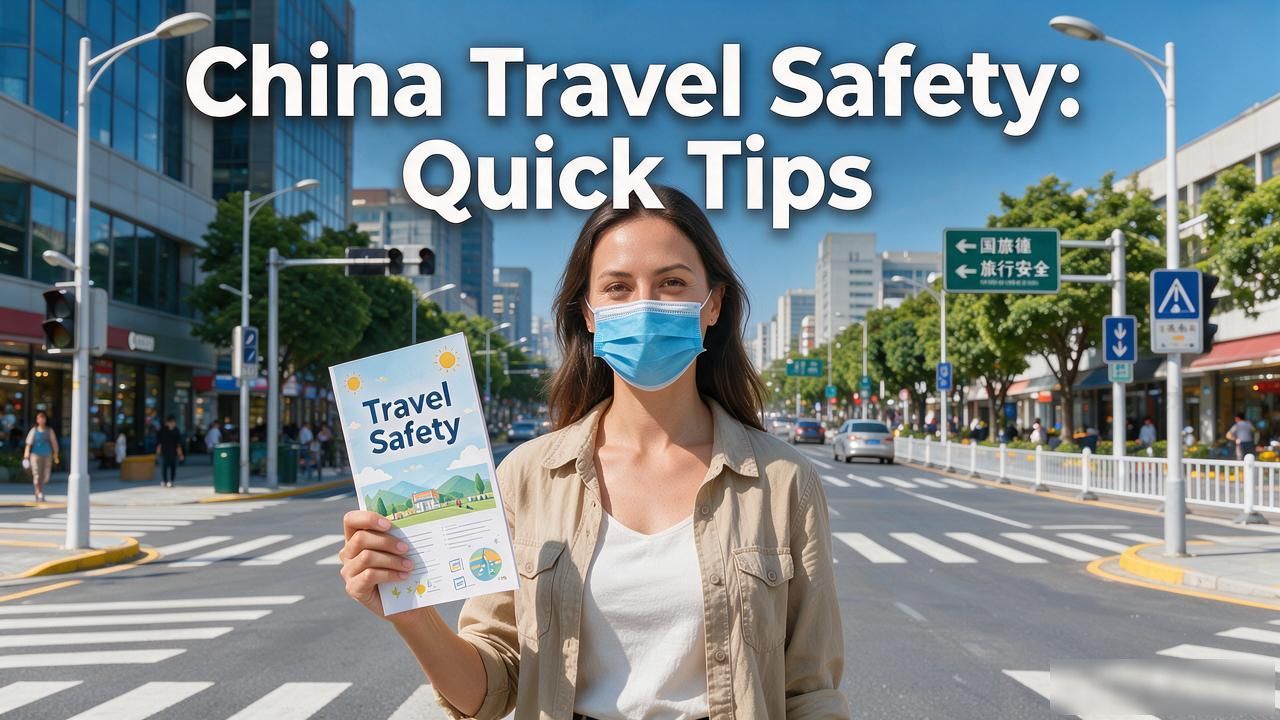
How to stay safe on China travel
Download Alipay and register your passport before you even land. Unregistered accounts limit your spending power, and you’ll be locked out of most restaurants, taxis,and train booking apps. Keep your phone charged above forty percent at all times. In a rural area without a signal, you’re essentially blind and deaf to the entire local system. No phone means no food, no transport, no help.

For women traveling alone, the safety picture beats most Western destinations by a wide margin. Harassment on public transport is virtually nonexistent. The real risk is isolation — getting lost in a rural village where no one speaks English and you’ve already missed your last bus. Plan your routes the night before. Screenshot maps. Share your location with someone at home.
Lock your hotel room, don’t flash expensive jewelry in night markets, and trust your gut when something feels off. Common sense goes further in China than in most places you’ll visit. That’s not a cliché. It’s the whole playbook.