
China’s travel festivals offer foreign visitors a chance to step into living traditions that have shaped the country for centuries. From lantern-lit rivers to water-splashing crowds, these events combine natural beauty, centuries-old customs, and warm local hospitality. Below is a practical guide to help you plan your festival journey.
Where Are The Biggest China Travel Festivals
The most iconic festival for visitors is undoubtedly the Spring Festival Lantern Festival, held annually in cities across China. Luoyang in Henan Province hosts one of the largest lantern exhibitions in the country, drawing millions of domestic and international tourists every spring. The streets transform into glowing tunnels of handcrafted lanterns, while local food stalls line the pathways offering everything from tangyuan to roasted lamb skewers.

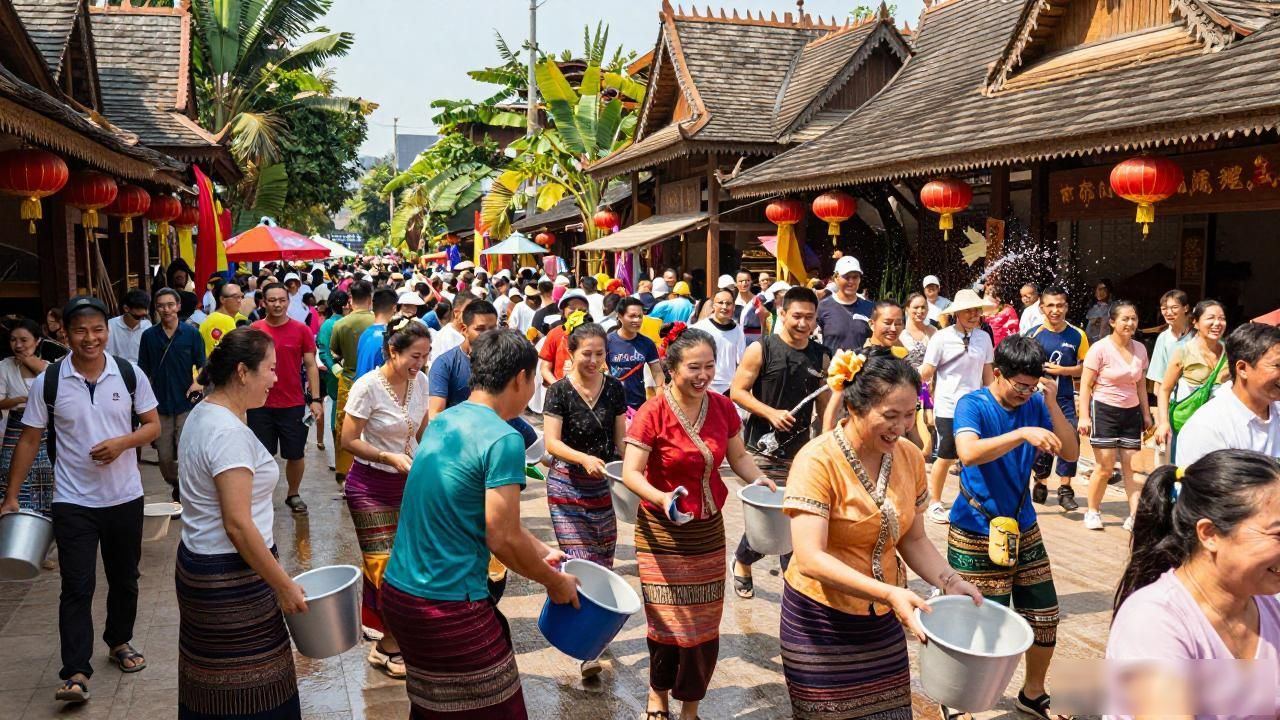
Another major destination is Xishuangbanna in Yunnan Province, where the Dai ethnic minority celebrates the Water Splashing Festival each April. This festival coincides with the traditional Dai New Year and attracts travelers from Southeast Asia as well. The entire city becomes an open-air celebration, with streets filled with people throwing water at each other as a gesture of blessing and good fortune.
The Mid-Autumn Festival in Hangzhou also deserves mention. Set against the backdrop of West Lake, mooncakes, boat rides, and lantern displays create an atmosphere that blends romance with cultural heritage.
What Should You Expect At China Travel Festivals
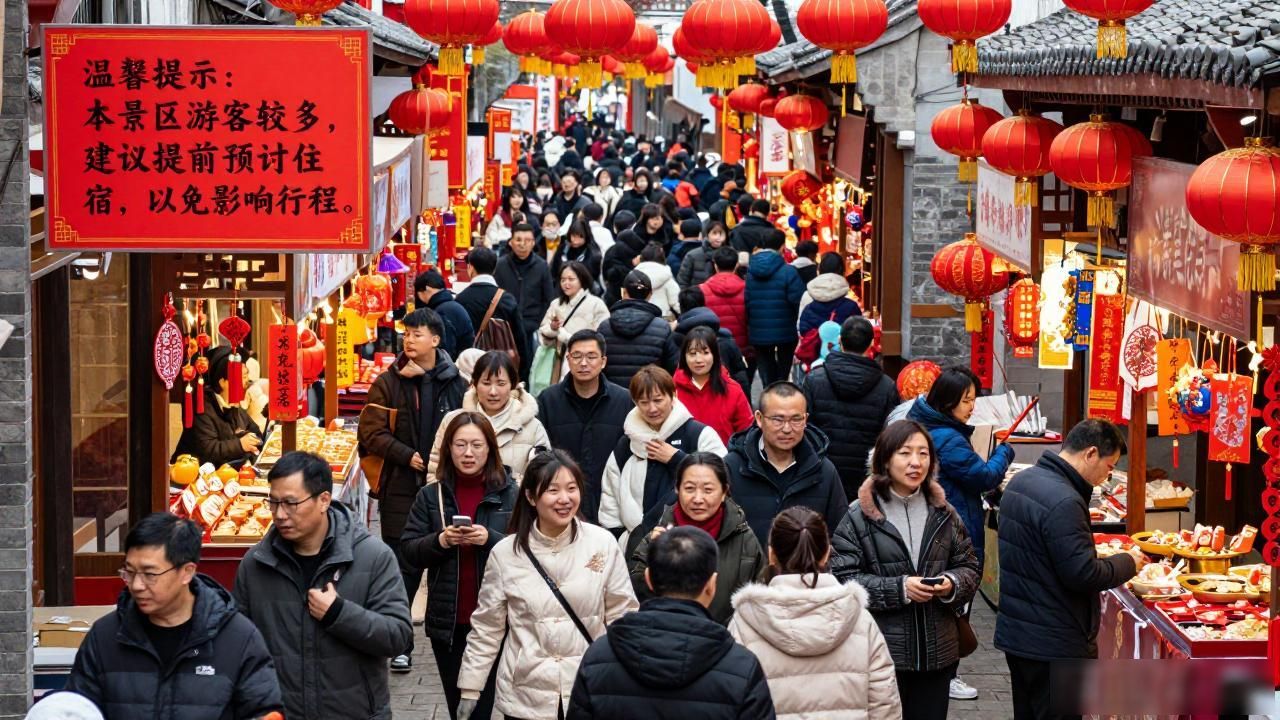
Crowds are the first thing to prepare for. Popular festivals attract enormous numbers of domestic tourists, especially during national holiday periods. Arriving early and booking accommodation well in advance is essential if you want to avoid disappointment. Many hotels in festival cities sell out weeks ahead, sometimes months.
Beyond logistics,the cultural experience itself is extraordinary. Festival rituals often differ significantly from what appears in guidebooks. Locals tend to be warm and curious about foreign visitors, frequently inviting them to join celebrations or share meals. Learning a few basic Chinese phrases goes a long way toward building rapport and enriching your experience.
Food is another highlight. Festival streets feature regional specialties you will rarely find outside those celebrations. In Xishuangbanna, try the local Dai dishes such as sticky rice wrapped in banana leaves or sour fish. In Luoyang, the famous white peony soup and beef noodles are must-tries.
How To Make The Most Of Your Festival Trip
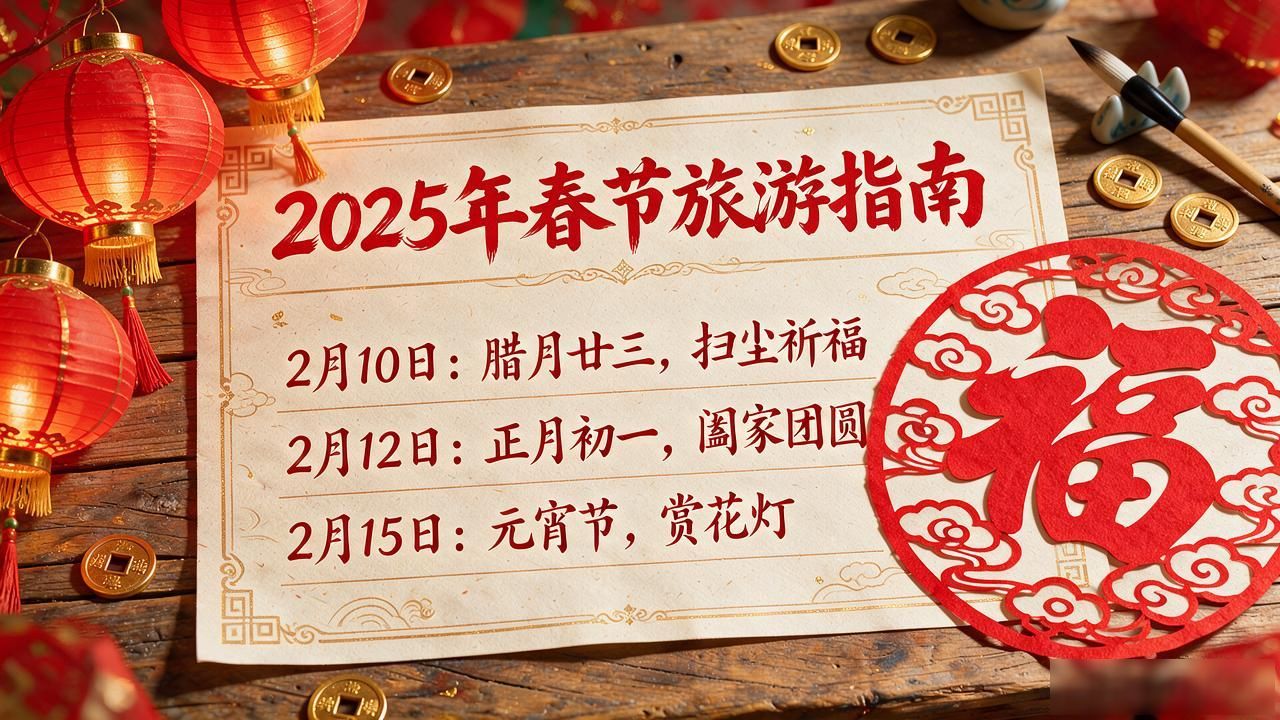
Plan your visit around the actual lunar calendar dates rather than assuming fixed Gregorian calendar schedules. Most traditional Chinese festivals follow the lunar calendar, meaning their dates shift every year. Confirming the exact timing at least two months ahead ensures you arrive when the main celebrations are happening.
Invest in a flexible itinerary. Festival seasons can be unpredictable, with events sometimes lasting longer or shorter than expected. Keeping some open days allows you to linger at locations that captivate you without feeling rushed.
Finally, embrace the spontaneity. Some of the best festival memories come from unexpected encounters — a local family inviting you into their home, a spontaneous street performance, or getting caught in the water-splashing fun without hesitation. Leaving room for surprise is what turns a routine trip into an unforgettable journey.
you can rent a Mercedes Sprinter with chauffeur in Dubai. The rental cost includes the standard mileage limit of 250 km, as well as basic insurance…