
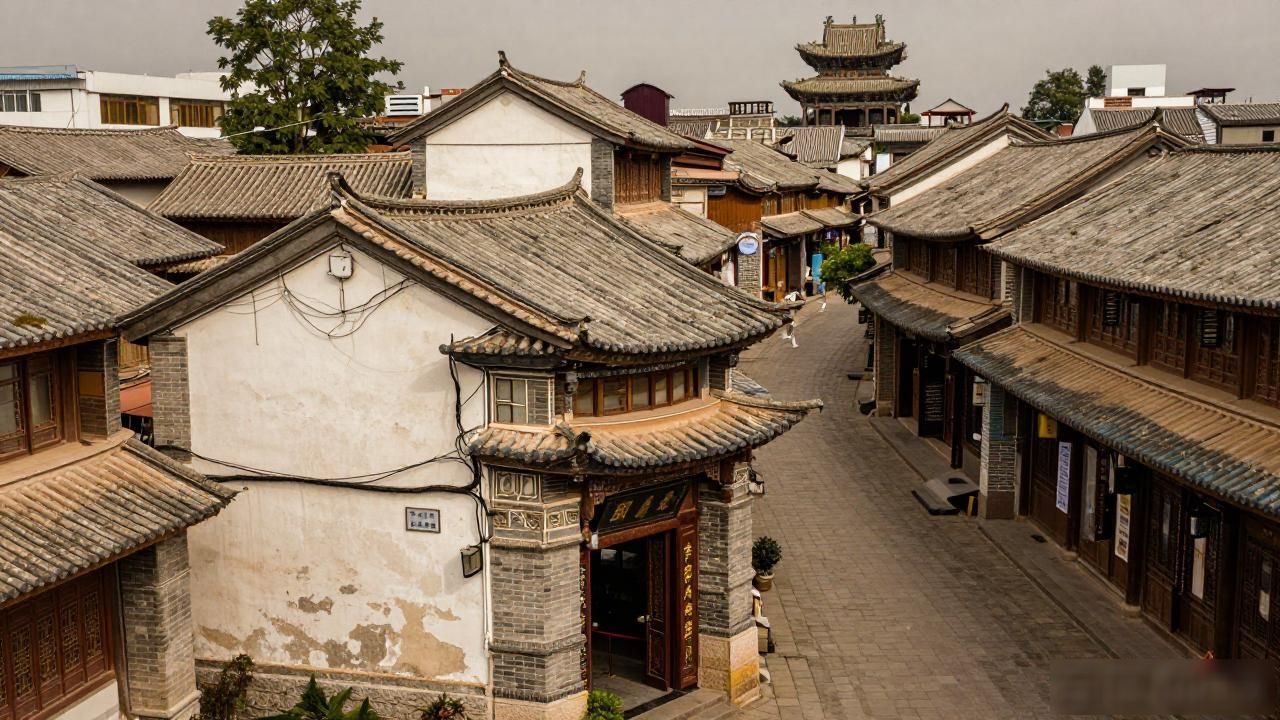
I grew up in Wukang, Fujian, where streets are so narrow two people barely pass. Now I study architectural conservation in Taipei, and old Chinese towns still carry that smell of damp brick and wood smoke for me. Old town architecture in China isn’t just a style—it’s a layered record of families, trades, and weather shaping a place over centuries. Here’s what actually matters when you walk one.
what is old town architecture in China

The core idea is simple: every era left its mark. A Qing-era shopfront might sit on a Ming foundation, with a Republican-era wire running through the wall. In towns like Pingyao or Dali, you see this layering clearly—the courtyard layout dominates residential blocks, while commercial streets stack timber brackets and painted beams floor after floor. What looks uniform from outside is a patchwork of repairs, each answering a different problem: drainage, security, or displaying wealth without breaking local rules.
This is why two towns a hundred miles apart can feel like siblings. Han, Tibetan, and Bai builders each tweaked the same base ideas—thick stone plinths against mountain damp, raised eaves to shed snow—into something distinct. You’ll notice the roof ridge ornament changes fastest when you cross a county line.
where to find old town architecture in China
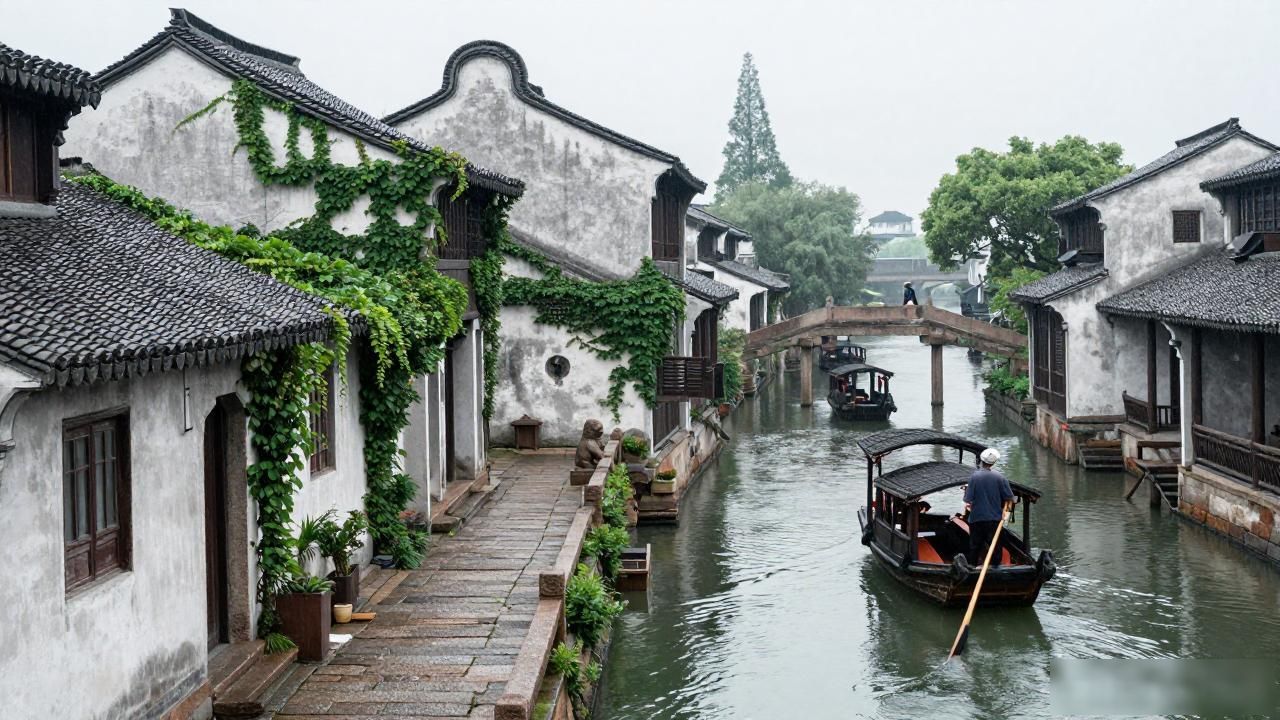
Skip the mega-tourist spots. Hedang in Guangxi keeps its Ming walls and a grid of canals still used for laundry and fishing. In Yunnan, Jianchui has wooden stilt houses called diaojiaolou that spiral up hillsides in a way no flatland town can copy. Both are quiet enough that you can hear the river under the bridge.
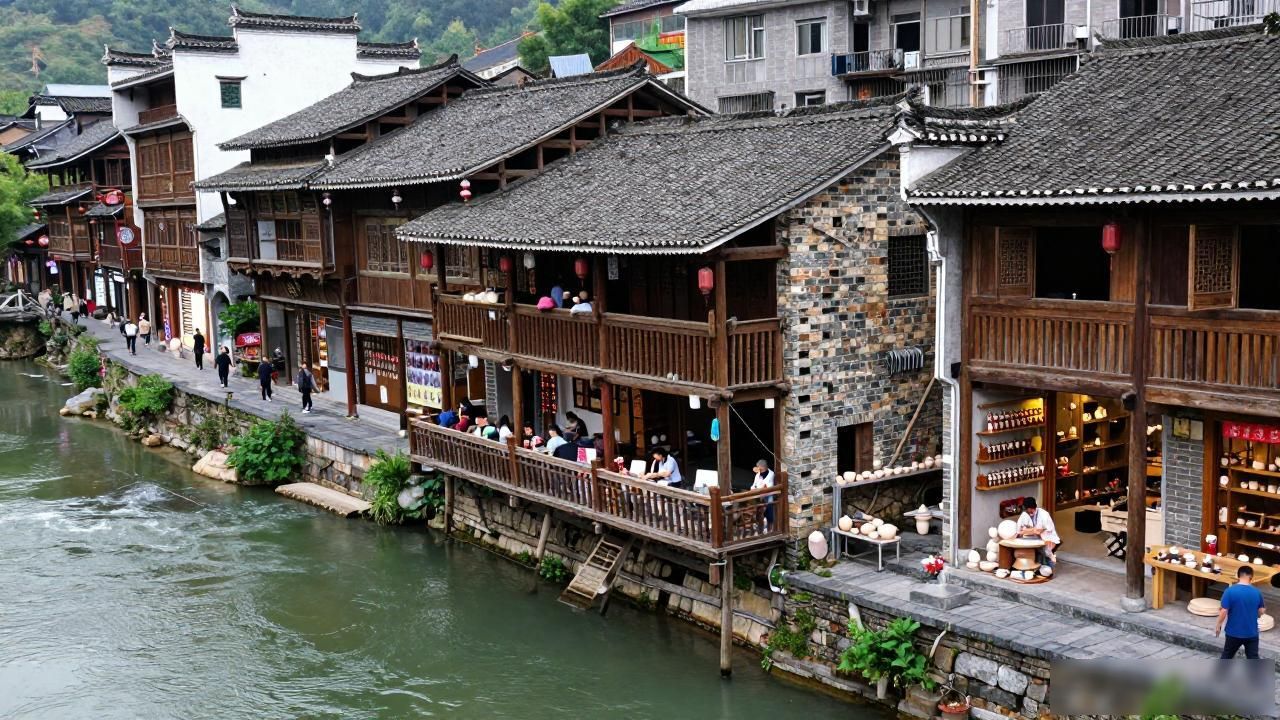
For urban energy, try Shiquan in Hunan. It’s a working town, not a film set. Riverside stilted teahouses are real businesses, and old brick warehouses now hold pottery studios. You can ring the whole town in ninety minutes and touch nearly every dynasty’s handiwork.
Next time you stand in one of these lanes,look past the second-floor windows. The brackets, the tile curves, the mismatched plaster patches—none of it was designed for a visitor’s photo. It was built for someone’s daily life, and that’s what makes it still hold together after five hundred years of rain.