
When I first heard about China’s high-speed rail network, I assumed it was just another impressive infrastructure project on paper. Then I stepped aboard one of those sleek white trains and everything changed. What I experienced over a three-month journey across China turned out to be far more than efficient transportation — it was a completely new way of seeing the country, from mega-cities to remote towns that would have taken me weeks by bus or plane. If you’re a foreign traveler planning to visit China, here is everything I wish someone had told me before booking my first ticket.
How do foreigners buy China high speed rail tickets online?
The whole process used to feel like a maze, but it got simpler after I figured it out. The official 12306 website and app were designed mainly for Chinese users, so navigating them with a foreign passport felt awkward at first. English interfaces exist now, but they are still limited. I ended up using third-party platforms like , which handle the payment in dollars or euros and send confirmation directly to your email.

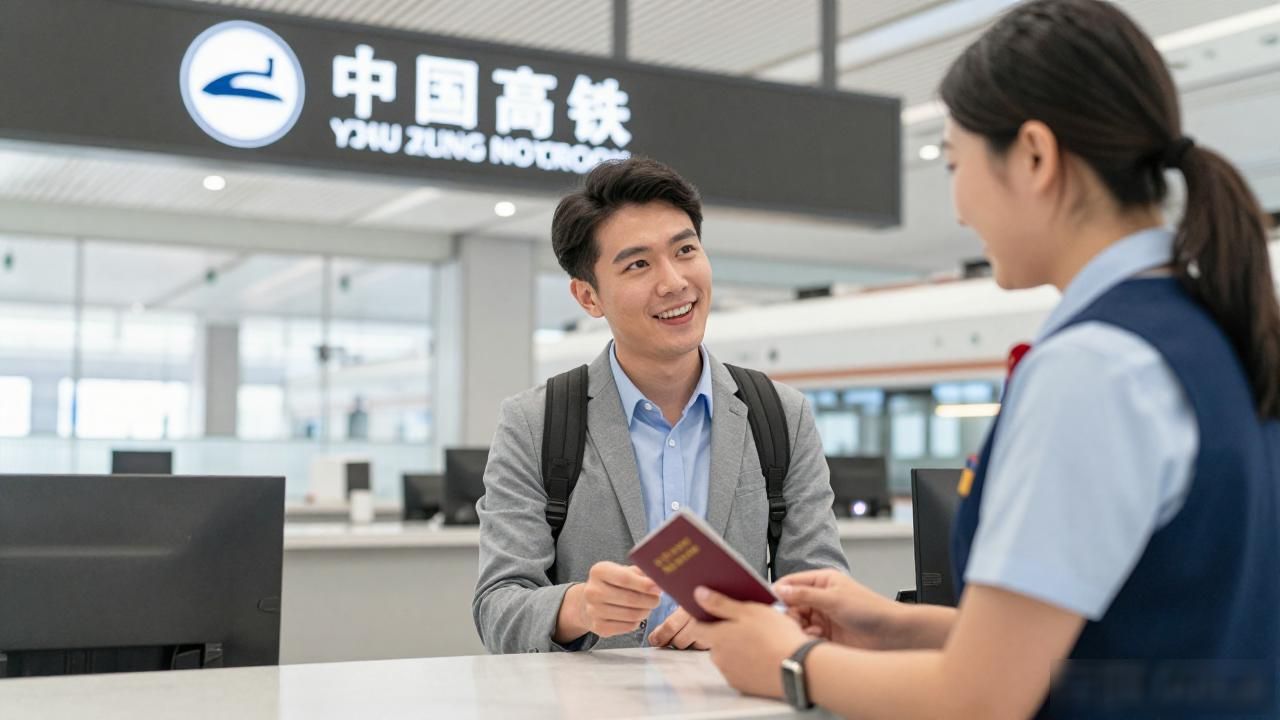
Another option is going to the station ticket counter and showing your passport in person. Yes, it sounds old-school, but the staff there are genuinely helpful and happy to assist foreigners. I learned this method on my second trip when an online booking failed due to a name mismatch — something that happens more often than you’d expect.
Tickets are quite affordable compared to Western train fares. A Beijing to Shanghai seat costs around 550 yuan, which works out to roughly 80 dollars. That is less than most budget flights and includes amenities like power outlets at every seat and free bottled water.
What should you expect inside a China high speed rail carriage?
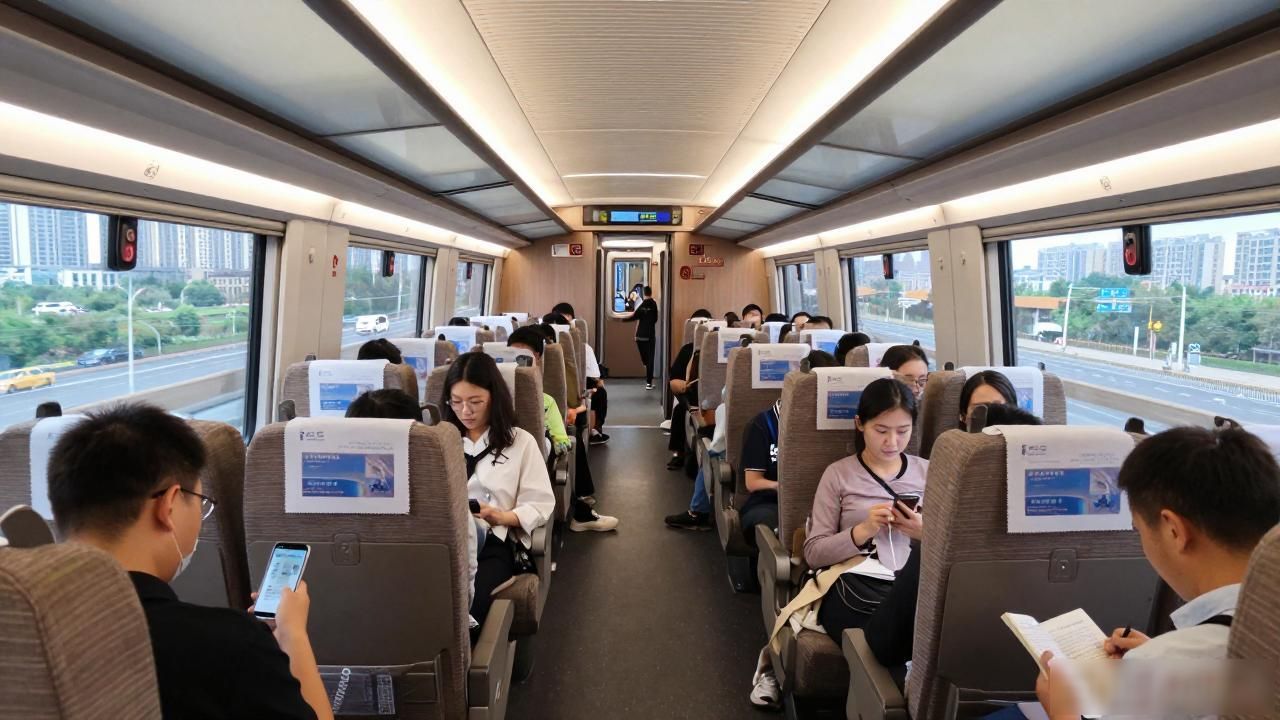
The trains themselves are impressive even if you’ve ridden bullet trains in Japan or Europe. They are spotless, modern, and surprisingly quiet while moving at speeds reaching 350 kilometers per hour. The seats are wide enough for adults without making you feel cramped, and the legroom is generous compared to airplane economy class.
Food and drink are available through a trolley service that passes through the carriage regularly. Hot meals are pricey at about 40 yuan for a boxed lunch, so many passengers bring their own snacks. Instant noodles remain a cultural staple on these journeys, and I quickly joined that tradition myself. The hot water dispensers at the end of each car make it easy to prepare them.
Luggage space is another pleasant surprise. Unlike airlines that charge extra for checked bags, high-speed rail carriages have open overhead racks and dedicated areas at the end of each car for larger suitcases. I traveled with a 28-inch bag and never struggled to find room.
Which China high speed rail routes should foreign travelers prioritize?
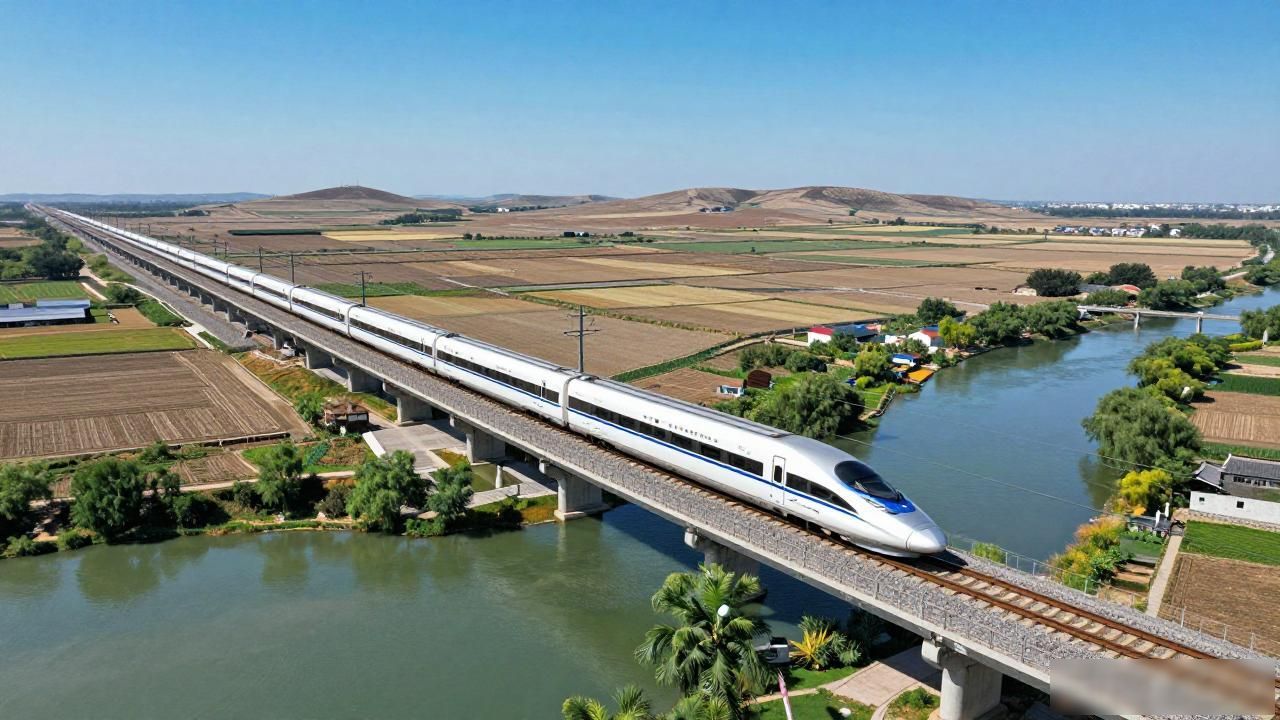
Some routes simply stand out more than others. The Beijing to Shanghai line is the crown jewel, covering 1,318 kilometers in just over four hours. This journey gave me a real sense of how vast China actually is and how dramatically the landscape transforms from northern plains to southern waterways.
Another fantastic corridor connects Hangzhou and Guilin,winding through some of the most scenic countryside in the country. The windows act almost like moving paintings, especially during golden hour in late afternoon. I made a point to sit on the right side heading south and found the views unmatched on that entire route.
For first-time visitors, I recommend starting with the Beijing-Shanghai-Guangzhou triangle. It covers three of the country’s most iconic cities and gives you a solid introduction to the rail system before you branch out into smaller destinations.