
I’ve spent over a decade wandering through China’s bustling night markets, cramped alleyway eateries, and grand banquet halls. Every city tells its story through food. From the fiery streets of Sichuan to the delicate dim sum teahouses of Guangdong, Chinese cuisine is not just about taste — it is about history, culture,and the warmth of strangers who insist you try one more dish. If you are planning a food-focused trip or simply curious about what makes this culinary world so extraordinary, here is what you need to know.
Where to find the best local dishes in China

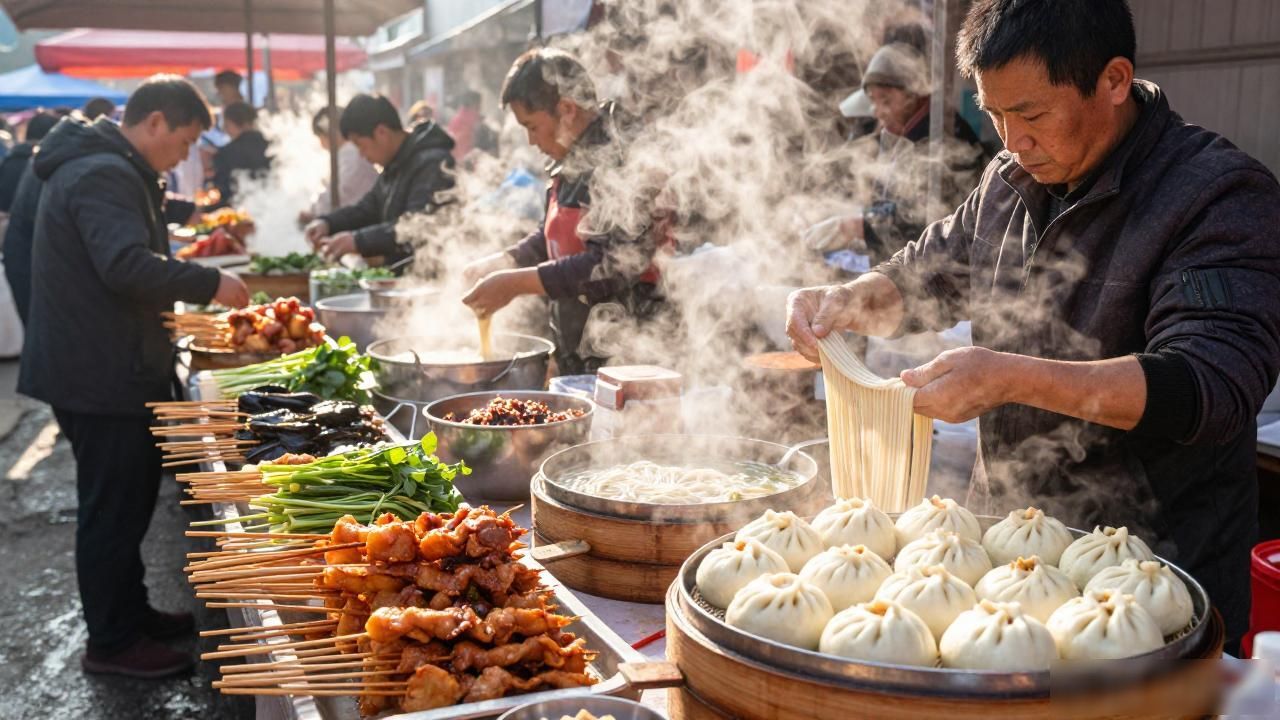
Most travelers make the mistake of eating at hotel restaurants or chain establishments in tourist zones. The real magic happens on the ground level. Step into any wet market at dawn and watch vendors hand-pulling noodles, deep-frying skewers, and steaming buns in bamboo baskets.
In Chengdu, do not leave without visiting a local hotpot community where families gather around bubbling broth for hours. In Xi’an, the Muslim Quarter offers lamb pies and cumin-spiced noodles that have changed little over centuries. Every region has its signature style. Sichuan and Hunan love heat. Cantonese cuisine prizes freshness above all. Northern China leans toward wheat-based dishes and bold flavors.
Braving the menu without understanding the language can feel overwhelming, but pointing and smiling goes a surprisingly long way. Many small restaurants do not even have English menus. You learn quickly by watching what others order and following their lead.
How to navigate Chinese dining culture as a foreigner
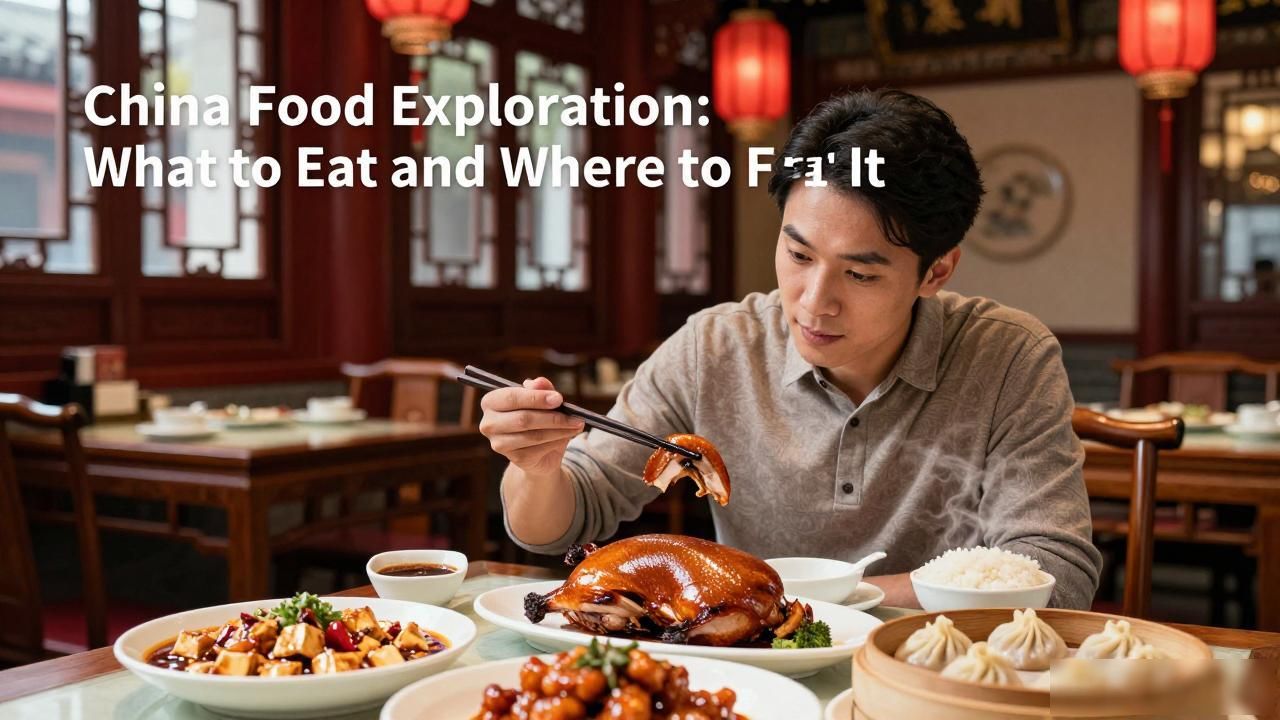
Chinese meals are shared plates, not individual orders. This cultural difference catches many first-time visitors off guard. You order several dishes for the table, and everyone eats from the same bowls and plates. It is communal, intimate, and often messy in the best possible way.
Chopstick etiquette matters more than you might expect. Do not stick them upright in rice — that resembles incense at funerals. Do not tap your bowl; it is associated with begging. Rest them on the provided holder or lay them across your plate when pausing.
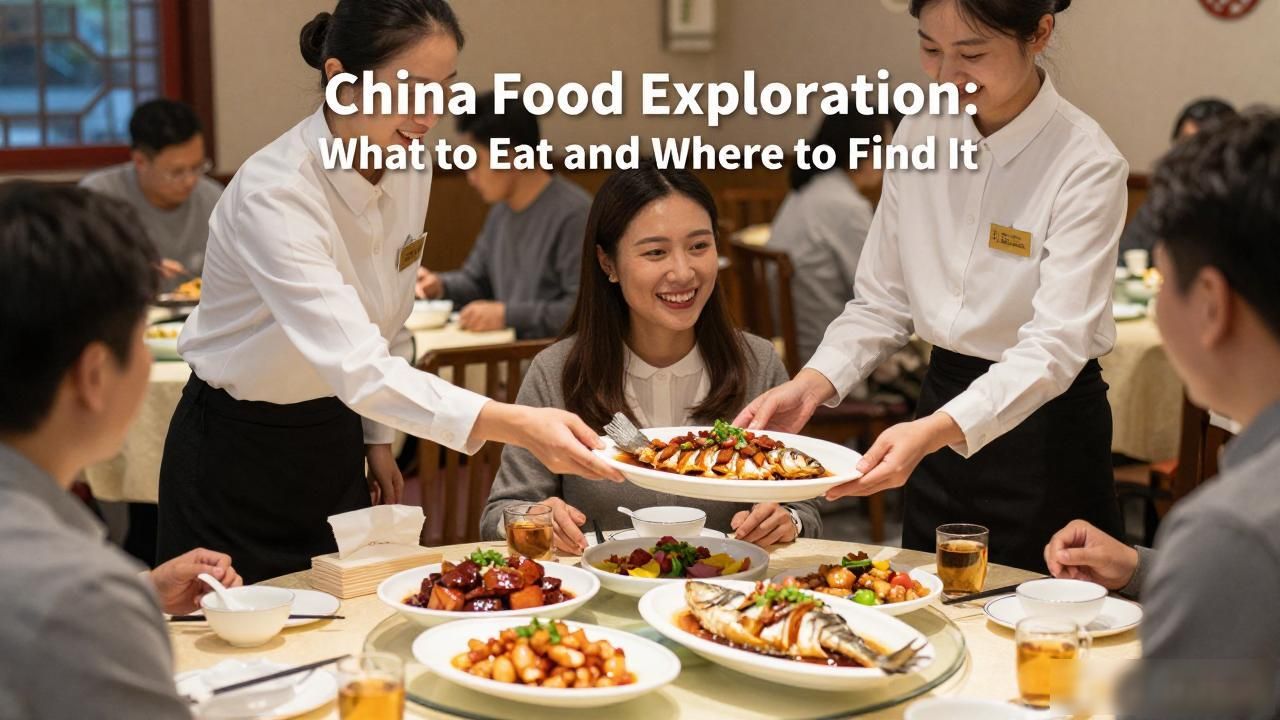
Tipping is not practiced in China. Waiters may clear your plates aggressively, and some places provide pre-paid tissues or boiled tea to cleanse your hands. These gestures are standard hospitality, not pressure. Most importantly, accept every invitation to try something new. The host’s role is to feed you well, and refusing food can be seen as rejecting goodwill itself.
Chinese food is far more than noodles and takeout boxes. It is a living tradition that rewards curiosity, patience, and an open appetite.