
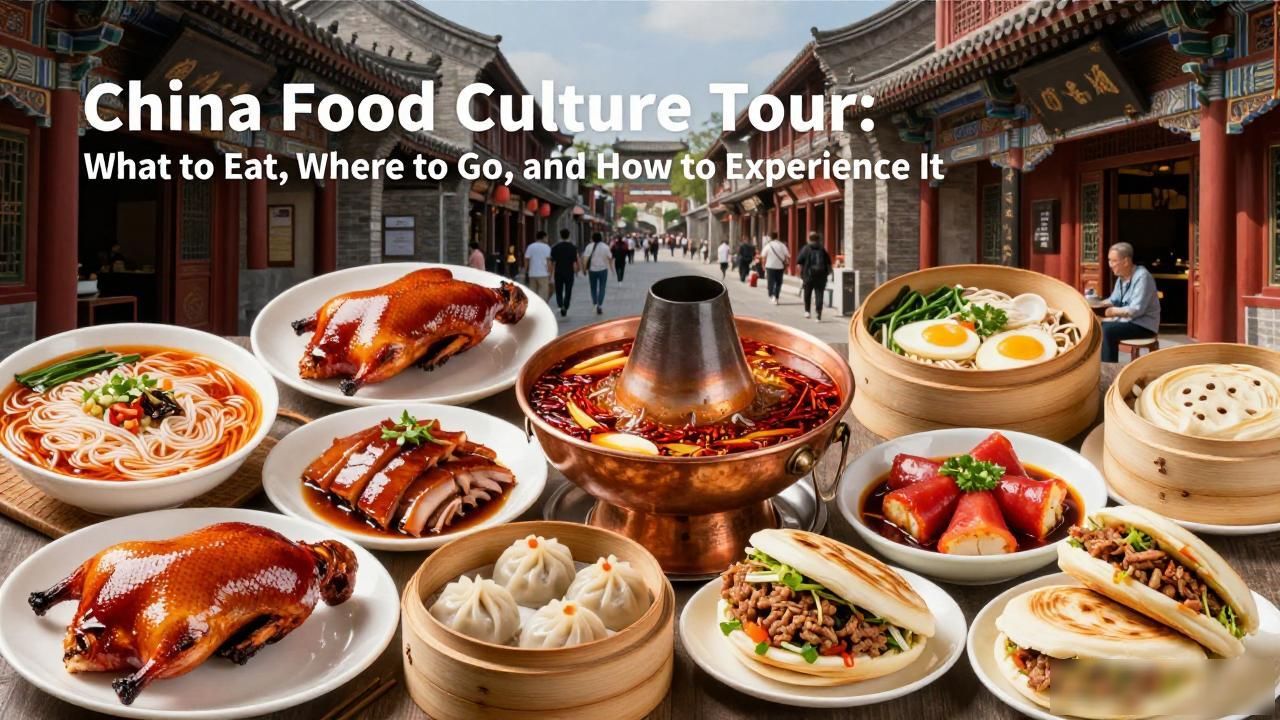
Food in China is far more than sustenance—it is history, identity, and hospitality all wrapped onto one plate. A China food culture tour offers a rare chance to step beyond takeout menus and discover how entire regions express themselves through flavor. From misty mountain villages to neon-lit night markets, every city tells its story through food.
Why Chinese Cuisine Feels Different Everywhere

When travelers arrive in China, the first shock is usually the sheer variety. What most people call “Chinese food” abroad represents roughly one corner of a vast culinary universe. Move two hundred miles and the ingredients change, the spice levels shift, and entire cooking techniques disappear or emerge. Rice dominates the south while wheat rules the north. Coastal provinces prize fresh seafood, while inland regions rely on preservation methods like curing,fermenting, and pickling.
This regional diversity stems from centuries of isolation before modern transportation connected the country. Each province developed its own pantry based on local agriculture and climate. What emerged were distinct culinary identities that locals fiercely protect. Sichuan dishes arrive heavy on numbness from peppercorns. Cantonese preparations favor clean, delicate flavors that highlight the quality of ingredients. Knowing this background transforms a simple meal into a lesson in geography and tradition.
Eating in China also follows customs that differ sharply from Western norms. Dishes are shared family-style, placed at the center of the table for everyone to reach. This practice reinforces connection and makes meals feel communal rather than individual. Expect to order multiple dishes for the group, try small portions of everything, and let the rhythm of the meal unfold naturally. The pace is slower, the conversation louder, and the experience far richer than any sit-down restaurant experience back home.
Where Food Lovers Should Head First
Certain cities have built their reputations on extraordinary food scenes. Chengdu ranks among the most exciting destinations for spice lovers. The streets around Kuanzhai Alley transform each evening into a sprawling open-air food market. Skewers sizzle over charcoal, bowls of hand-pulled noodles steam under plastic tarps, and vendors shout promotions in rapid-fire local dialect. Spiciness here is not punishment—it is celebration.
Guangzhou pulls travelers in with morning tea culture, a ritual that stretches into late afternoon. Dim sum carts roll through crowded teahouses carrying bamboo steamers filled with har gow, siu mai, and chicken feet. The experience feels alive and bustling, more like joining a tradition than dining out. Locals sip pu-erh tea, flip through newspapers, and negotiate over the day’s specials with practiced ease.
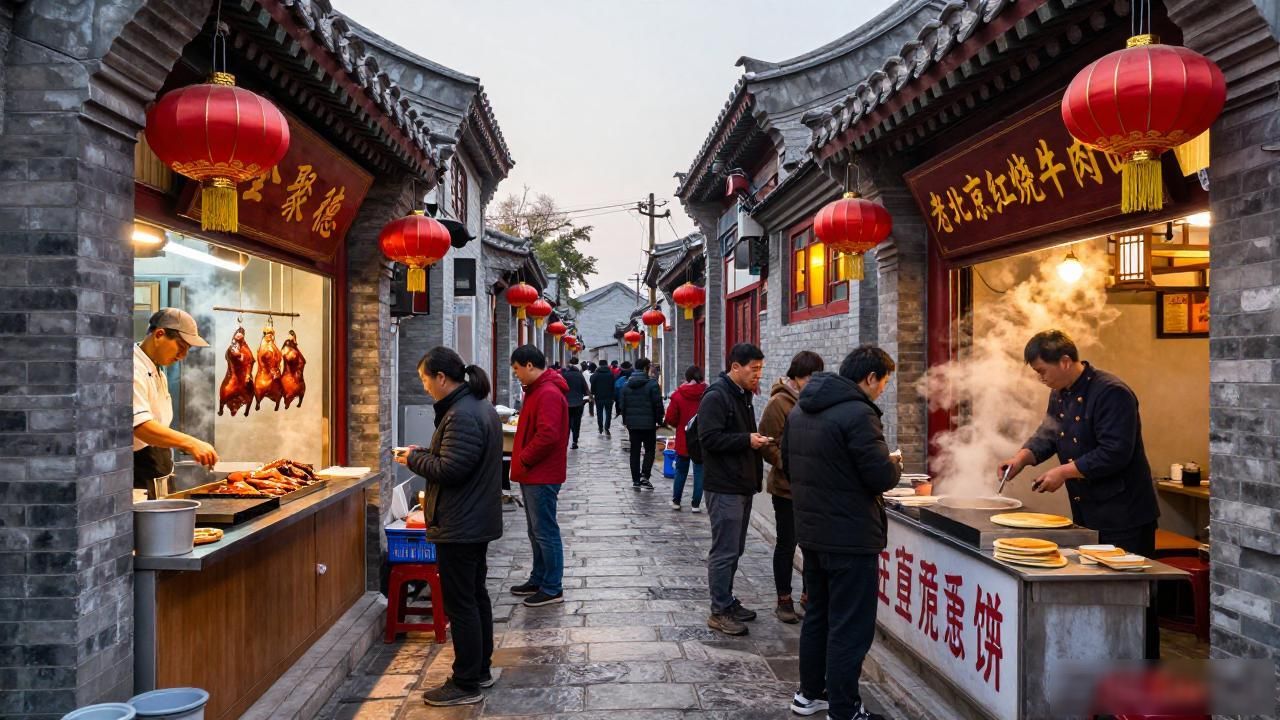
Beijing delivers its own brand of culinary drama. Roast duck shops line the old Hutong neighborhoods, their windows fogged with steam and smoke. Street vendors sell jianbing crepes wrapped in paper cones, while noodle houses serve braised beef noodles in brothy bowls that rival anything found elsewhere in the country. Walking through these narrow alleys feels like stepping into a film set where food appears at every corner.
A thoughtfully planned food tour through these cities gives you more than memorable meals. You gain access to neighborhoods most guidebooks skip, conversations with vendors who have cooked the same recipes for decades, and a deeper understanding of why Chinese people take food so seriously. The flavors will stick with you long after the trip ends.