

China’s visa-free policies have expanded beyond tourism and business travel, and one of the most meaningful changes involves family reunions. For foreigners with close relatives living in China, the ability to visit without a visa is a significant relief. But the rules are not as simple as hopping on a plane. Understanding who qualifies, how long you can stay, and what documents matter is essential before booking your trip.
Who qualifies for visa free family visits

The visa-free entry for family reunions is not available to everyone. It applies mainly to citizens from countries that have signed mutual visa exemption agreements with China, such as Singapore, Brunei, Japan, and several European nations. Under these agreements, travelers can enter China for short stays without a visa, and family visits fall under the permitted purposes. However, if your nationality is not on the exempted list, you will still need a Q visa or an S visa for family visits. It is also important to note that the visa-free stay is usually capped at 15 or 30 days depending on the agreement. If you plan to stay longer, applying for a proper family visit visa is unavoidable. Another key point is that you must enter through an approved port and have a passport valid for at least six months. Border officers may ask about your relationship to the person you are visiting, so carrying proof like birth certificates or marriage certificates is a wise move.
What documents should you prepare before departure
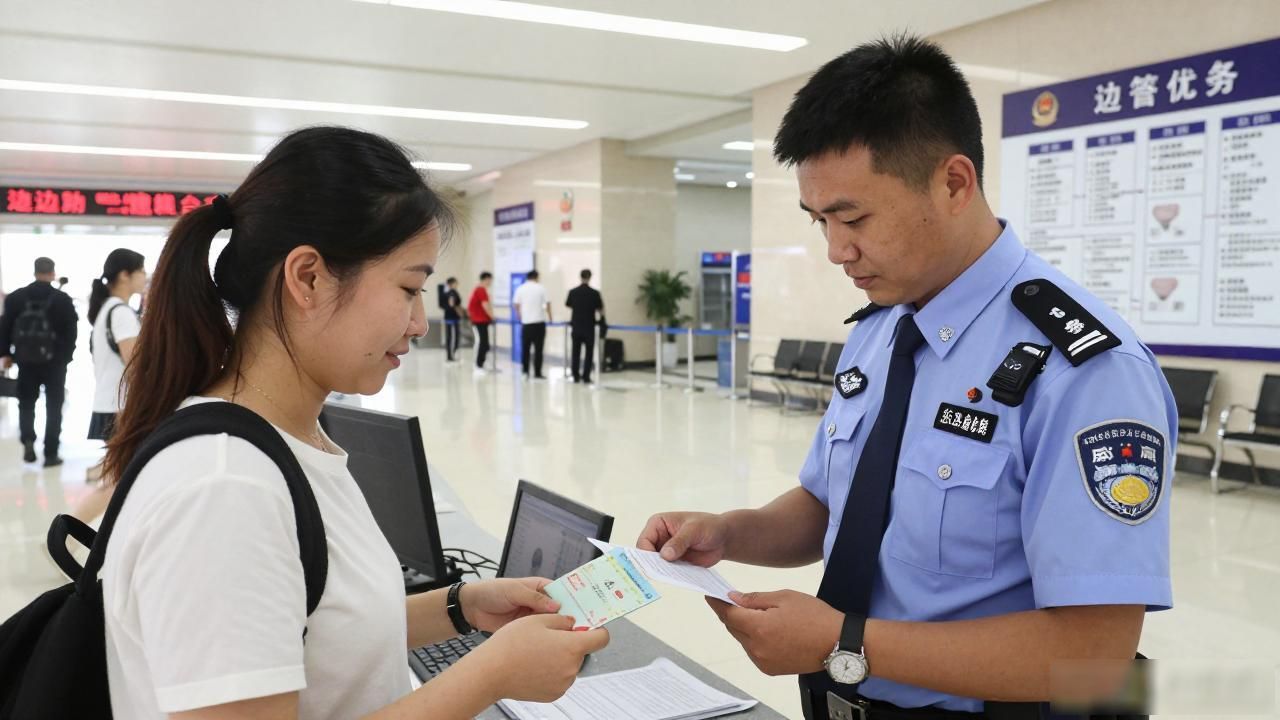
Even though you are entering without a visa, preparation is not optional. Immigration officials in China have the right to deny entry if they suspect your purpose is not genuine. To avoid problems, bring an invitation letter from your family member in China, a copy of their residence permit or Chinese ID, and proof of your relationship. Having return flight tickets and hotel bookings can also strengthen your case. If your family member is a foreigner working in China, their work permit and residence visa copies are helpful. These documents do not need to be notarized for visa-free entry, but they should be clear and recent. In practice,many travelers are waved through without showing anything, but that is not a guarantee. The risk of refusal is real, especially if you have a history of overstaying or if your passport shows frequent short trips to China. So pack a folder with the essentials, even if you never open it.
Can you extend your stay once you are inside China

The short answer is yes, but with conditions. If you entered visa-free under a bilateral agreement, extending your stay is generally not allowed. You must leave before the permitted days expire. However, if you have a family emergency or a medical situation that prevents travel, you can visit the local Exit and Entry Administration Bureau to explain your case. They may grant a short extension or a humanitarian stay stamp, but this is decided case by case. For those who entered with a Q visa, extensions are easier to obtain, and you can often apply for a residence permit after arrival. That route allows you to stay for months or even years, depending on your family situation. But for visa-free entrants, the system is strict. Overstaying even by a few days can lead to fines, detention, or a ban from re-entering China. Set a reminder on your phone a few days before your departure date, and do not rely on memory.
The visa-free policy for family reunions is a genuine convenience, but it rewards preparation and punishes assumption. Check your country’s agreement with China, confirm the allowed duration, and keep your documents ready. If your visit is straightforward and short, the process can be surprisingly smooth. If your plans are more complicated, the traditional visa route offers more flexibility. Either way, knowing the rules before you arrive makes the experience far less stressful.