
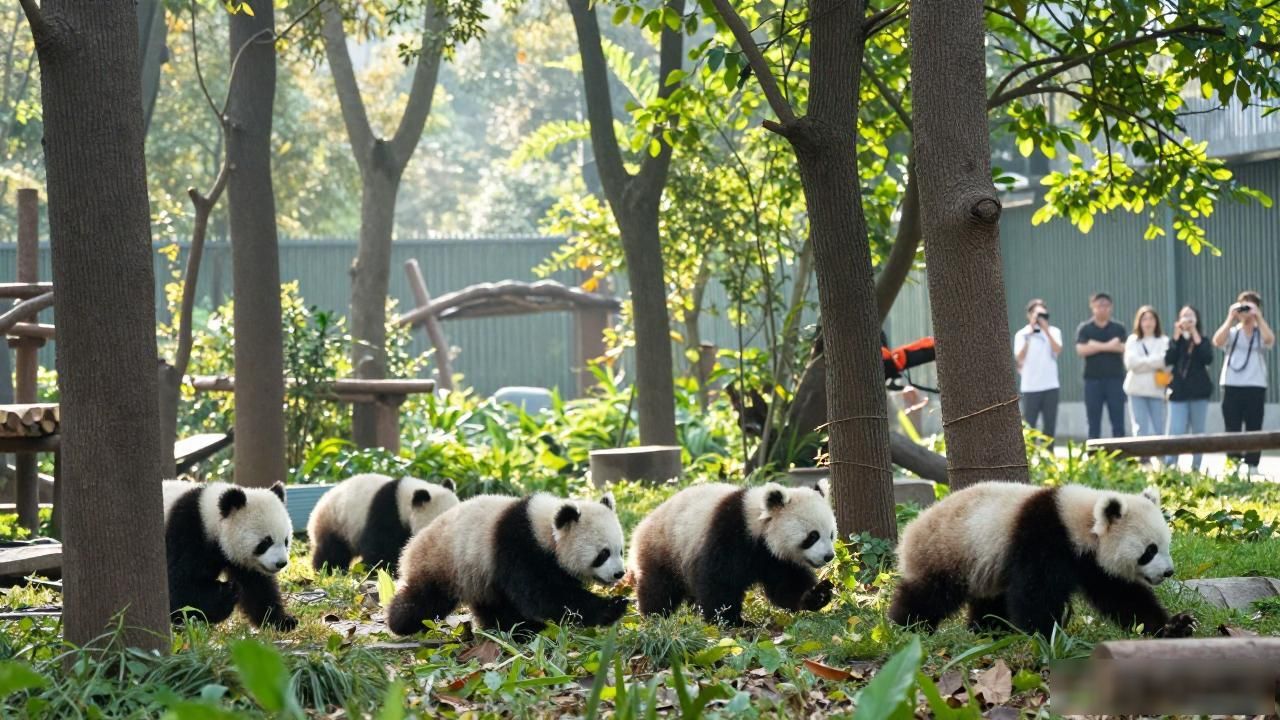
What Makes This Panda Sanctuary Unique
When I first heard about the Chengdu Panda Base, I expected another zoo with caged animals. What I found instead was something far more meaningful — a working sanctuary where conservation, research, and tourism exist side by side. The base isn’t just about watching giant pandas; it’s about understanding why these animals matter and how fragile their future truly is.
The experience here feels different from any wildlife park I’ve visited elsewhere. Pandas roam across landscaped hillsides rather than sitting behind bars. You walk through misty bamboo forests and catch glimpses of them climbing trees or rolling around lazily. The scale of the base is surprising — it covers nearly two square kilometers, and it takes hours to see everything properly.

What struck me most was the presence of red pandas alongside the giants. These smaller, more active cousins of the panda world are everywhere in the early morning,darting through the trees. Many visitors miss them because they head straight for the giant pandas, but spending time in the red panda area can be just as rewarding. The base houses over 150 giant pandas and several breeding pairs, making it one of the most important panda conservation centers on Earth.
When to Visit and How to Plan Your Trip
Timing matters enormously here. The pandas are most active in the cool morning hours, typically between 8 AM and 10 AM. After that, they settle down to sleep through the afternoon heat. Arriving at opening time is the single most important tip you can follow. If you show up at noon, you’ll mostly see sleeping pandas curled up in their enclosures.
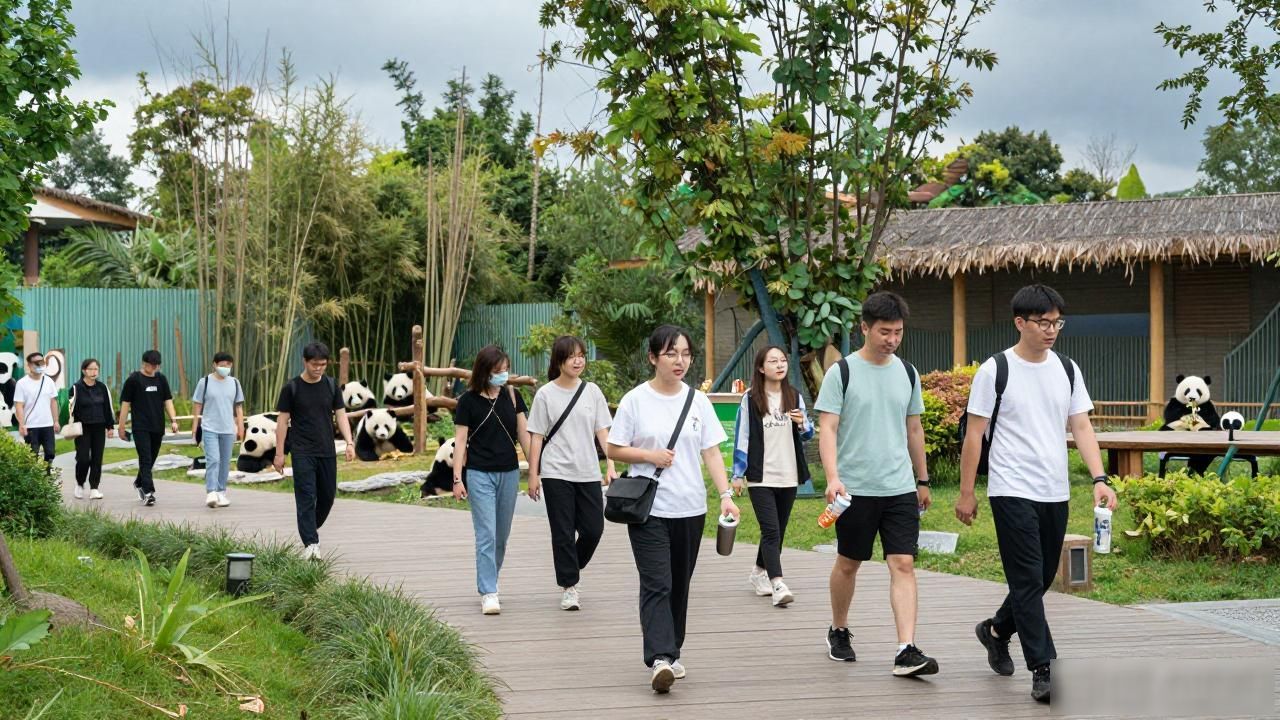
Beyond timing, a few practical details make the difference between a good visit and a great one. Wear comfortable walking shoes — the base has hills and uneven paths. Bring water and snacks, though vendors are available inside. Dress in layers because the weather shifts quickly depending on which part of the base you’re exploring.
The entrance fee is reasonable, but booking your ticket online in advance saves considerable time during peak season. Summer months bring heavy crowds, and lines can stretch for an hour. The best months to visit are March through May and September through November, when the weather stays mild and the pandas remain active longer. Winter visits carry their own charm — the snow-covered landscape creates stunning photo opportunities, and there are far fewer people around.
What to Expect During Your Visit
Walking through the base feels like entering a carefully designed wildlife reserve. Paths wind through bamboo groves and open grasslands. Viewing platforms are positioned so you can observe the pandas without disturbing them. The staff and researchers work diligently in the background, monitoring each animal’s health and managing breeding programs that have helped increase the global panda population significantly.

Don’t rush. Move at your own pace and sit with the pandas for a while. Watch them eat bamboo, climb trees, interact with each other. There’s a feeding session around 9 AM at the giant panda area, and it’s worth staying for. Baby pandas are a particular highlight if you visit between April and August when the cubs are more visible.
The real value of this place goes beyond the photos — it’s about witnessing a conservation success story firsthand. The gift shop at the end of the route is unavoidable but not terrible. Prices run high, but the merchandise is well-made, and proceeds support ongoing conservation work. Consider skipping it and buying souvenirs outside the base instead.
The takeaway from visiting the Chengdu Panda Base isn’t just seeing adorable pandas — though that certainly happens. It’s realizing that every visit to this place contributes to an effort that has pulled the giant panda back from the brink of extinction. Plan your trip carefully, go early, and take the time to appreciate what makes this place extraordinary.