
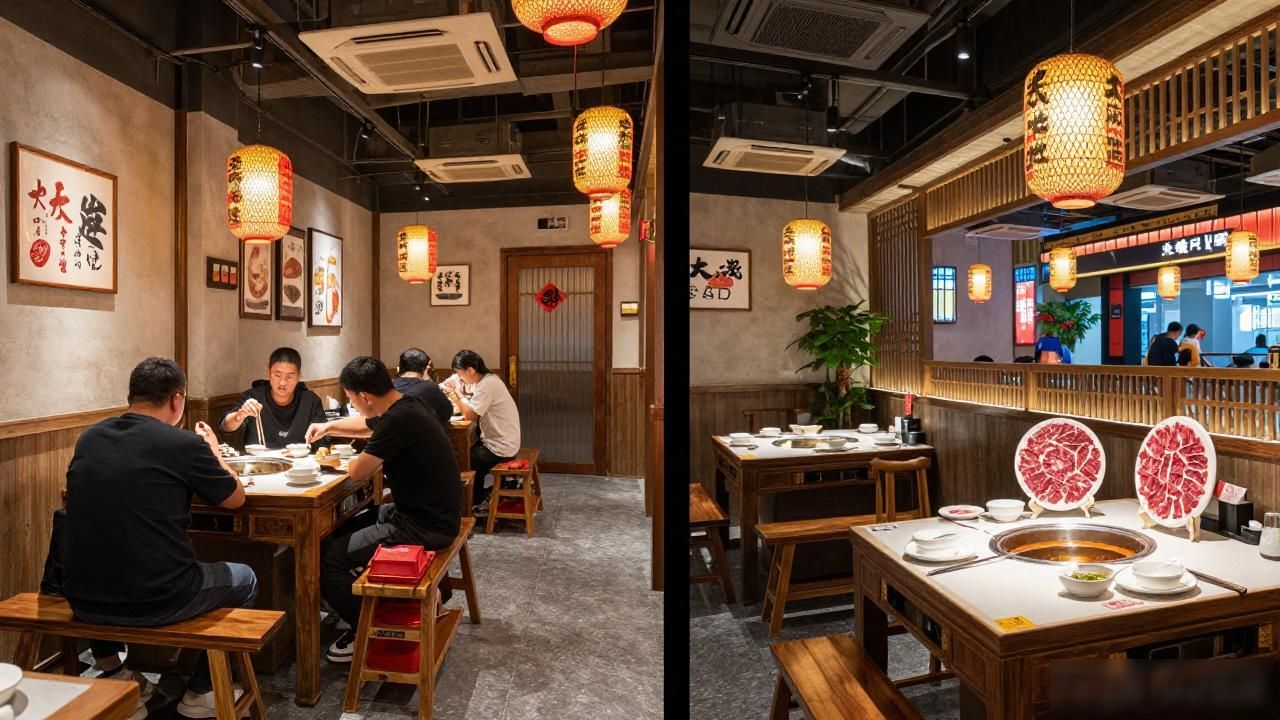
I’ve eaten my way through both Chengdu and Chongqing over the past six years, and the question of which city serves the best hot pot comes up in nearly every conversation with visiting friends. The honest answer: they’re different enough that “best” depends on what you want from the bowl. Chongqing hands you raw, smoky, tallow-fueled chili fire. Chengdu offers a more layered, slightly sweeter broth where the beef and vegetables actually get to speak. Both cities treat hot pot as daily life, not a weekend novelty or a tourist spectacle. This piece lays out the real differences and points to specific shops I keep going back to.
Is Chongqing hot pot spicier
Yes, and not by a little. The Chongqing broth is built on beef tallow, dried Sichuan peppercorns,and chunks of fresh chili that get fried until they split open and darken. When the pot lands on the table, the surface is a churning ocean of red oil. Your tongue goes completely numb within three minutes. The chili isn’t decorative garnish; it’s structural. You can’t just “take it out.” You eat through it, past it, into it, and your face starts to steam like a little geothermal vent.
What catches most first-timers off guard is the texture. Chongqing broth has a heavy, almost greasy body that coats the back of your throat for hours after you’ve stopped eating. The málà hit is aggressive, almost violent. My local friend in the Jiangbei district told me to order “three-chili, two-pepper” if I could handle it. I did. I needed three cold beers and a full bowl of plain steamed rice just to reset my palate. The spiciness here isn’t one-note heat. It’s a full-spectrum assault on every receptor you’ve got, and it lingers in your sinuses the next morning.
Where to eat Chengdu hot pot
Chengdu’s hot pot culture skews toward family gatherings and long, unhurried meals that can stretch past two hours. The broth is lighter, often a split pot with one clear side and one mild red side, and the emphasis lands squarely on the quality of the meat plates. Freshly cut lamb, hand-pulled beef, silky duck blood, and generous piles of local vegetables like yam slices, lotus root, and glass noodles. The chili level is adjustable, and the peppercorn numbing is gentler, more aromatic than punishing.

Two spots I keep circling back to: Xiaoma Hot Pot on Zhongshan Road for a no-frills neighborhood vibe where you’ll hear the clatter of chopsticks and a wall of Chengdu dialect for hours on end. Then Da Longshi near Chunxi Road for a slightly more polished table with better beef cuts and a quieter crowd. Both are unpretentious. Nobody explains the menu or rushes you through the cooking. You point, they drop it in the pot, you eat. The rhythm is slow and the conversation fills every gap.
Which hot pot should you try
If you can only pick one city, match it to your tolerance and your mood for the evening. Want to feel like you’re being gently punished by the Sichuan kitchen? Go Chongqing. The experience is louder, grittier, more theatrical. The best pots hide in the Xiantao district, tucked into narrow alleys with plastic stools and absolutely no English on the menu. The smoke from the chili frying drifts through the whole street at seven in the evening and you’ll smell it on your jacket for days.
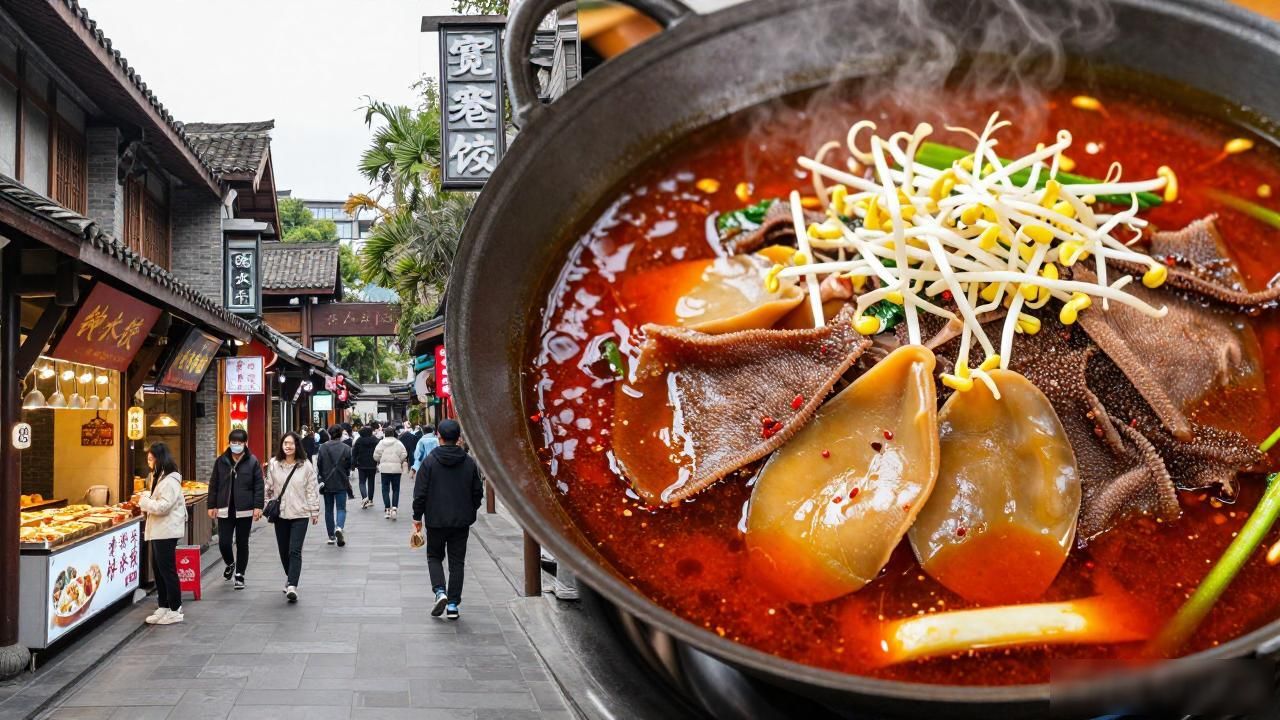
Want a more relaxed night where you actually taste the beef, the mushrooms, the yam without your face going red? Chengdu wins that round. The broth supports the ingredients rather than bulldozing them. And the city’s food scene clusters around Kuanzhai Alley and Wuhouci, so you can pair the pot with a slow walk and a bowl of icy jelly afterward.
There’s no objective winner sitting on a podium somewhere. The “best” hot pot is the one that matches the night you’re actually having. A Friday in Chongqing when you want to feel alive and slightly wrecked by ten. A lazy Sunday in Chengdu when you want to sit with friends and go twenty full minutes without saying a word. Both cities will feed you well for very little money, as long as you bring a real willingness to sweat.