
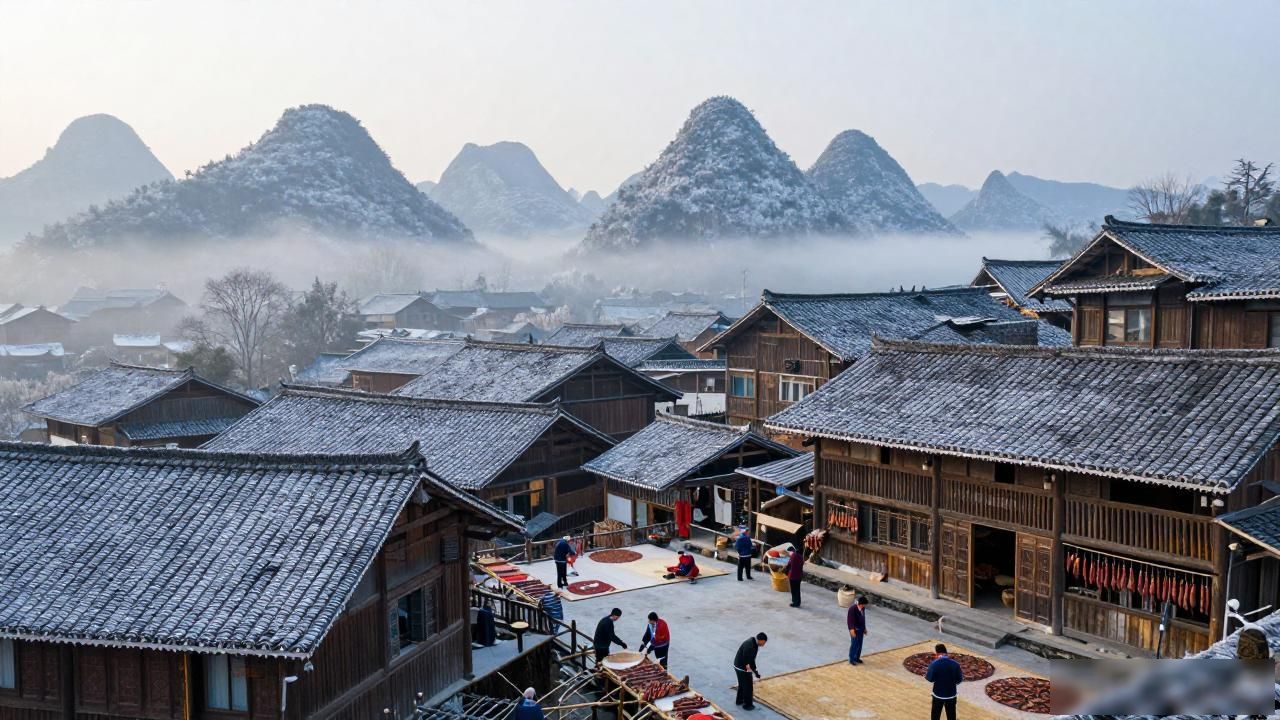
Winter in China. Most people picture Beijing’s frozen gardens or Zhangjiajie’s misty peaks. But the real magic happens in places that don’t appear on any guidebook. I’ve spent fifteen years chasing light across this country, and I can tell you something most travel writers won’t admit — the most breathtaking winter landscapes hide in villages where snow falls without permission from anyone.
These aren’t curated experiences. There’s no ticket booth, no souvenir shop, no selfie stick blocking your view. Just raw, untouched beauty waiting for people willing to look past the well-worn paths.
Where does real Chinese winter photography happen

The answer will surprise you. It’s not in Harbin’s ice festival crowds or the frozen waterfalls of Huangshan that pack photographers in December. The best winter light hits places like Jiangyong County in Hunan or the high-altitude villages of Southern Gansu where local communities preserve traditions that predate mass tourism by centuries.
In Hunan’s瑶族 villages, winter arrives quietly. Snow dusts traditional wooden houses built into mountainsides, and the light turns everything silver and blue. Here, Hanfu-wearing locals prepare for their winter solstice rituals in ways unchanged for eight hundred years. The photography opportunities are extraordinary — but only if you respect the pace of their lives and ask permission before raising your lens.
I’ve watched Western photographers rush into these villages, shooting everything without understanding what they’re capturing. The result? Empty frames full of exoticism rather than genuine connection. The difference between a postcard shot and a photograph that moves someone comes down to patience and respect. Stay longer. Learn what their winter means to them. Then your images will show something other than pretty scenery.
Which remote valleys transform into winter wonderlands
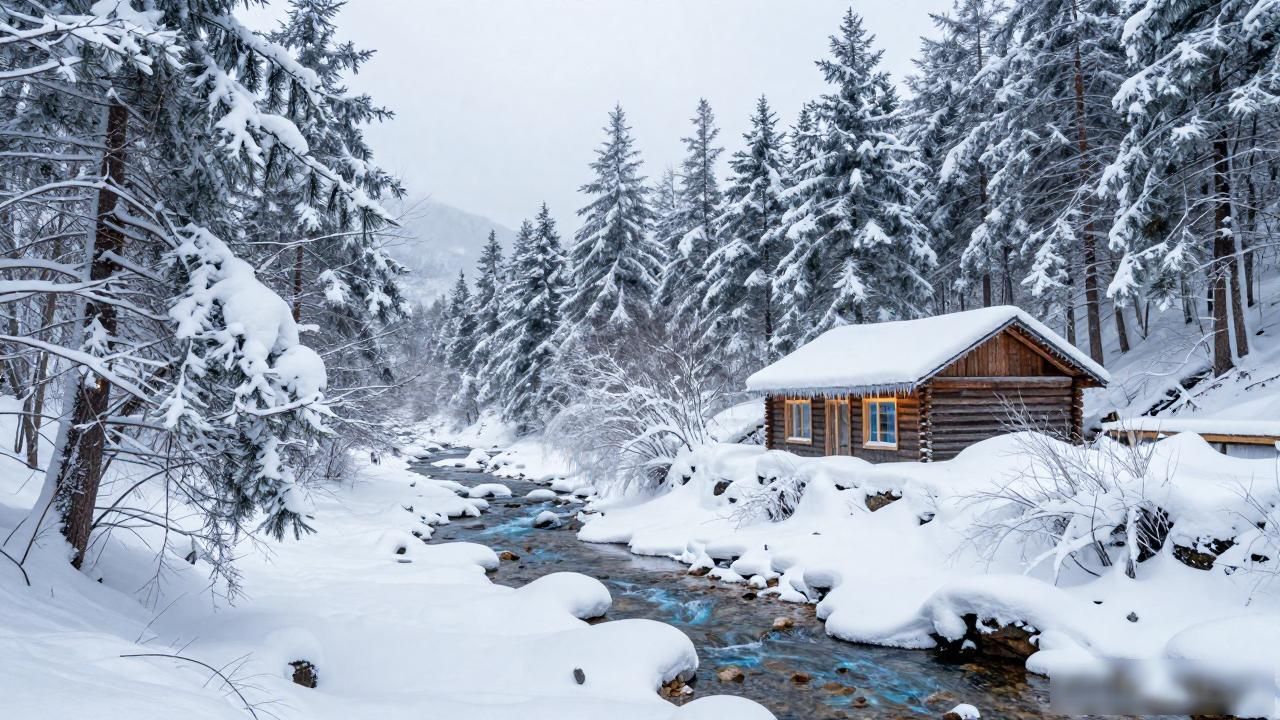
Consider the Nu River valley in Yunnan Province. While everyone flocks to Lijiang’s snow-covered old town,the actual Nu River — one of Asia’s most dramatic gorges — sits frozen beneath canyon walls that disappear into cloud. The Tibetan and Naxi communities here celebrate winter with firelit ceremonies that have nothing to do with tourism boards.
The contrast is almost violent: steam rising from thermal springs against ice-cold river surfaces, red prayer flags snapping in mountain wind while below, monks chant in monastery courtyards blanketed in fresh snow. This isn’t the polished winter of commercial resorts. It’s wild, unpredictable, and deeply authentic.
Far north near the Mongolian border, grassland valleys become something else entirely when snow arrives. The horizon flattens into white, and nomadic herders move their livestock to sheltered pockets while the sky stretches endlessly above. Photography here demands serious gear and even more serious patience. Light changes fast. Weather shifts without warning. But when conditions align, you capture scenes that no algorithm could replicate — because no algorithm understands how cold actually feels or what silence sounds like at minus twenty degrees.
How to travel without leaving a trace
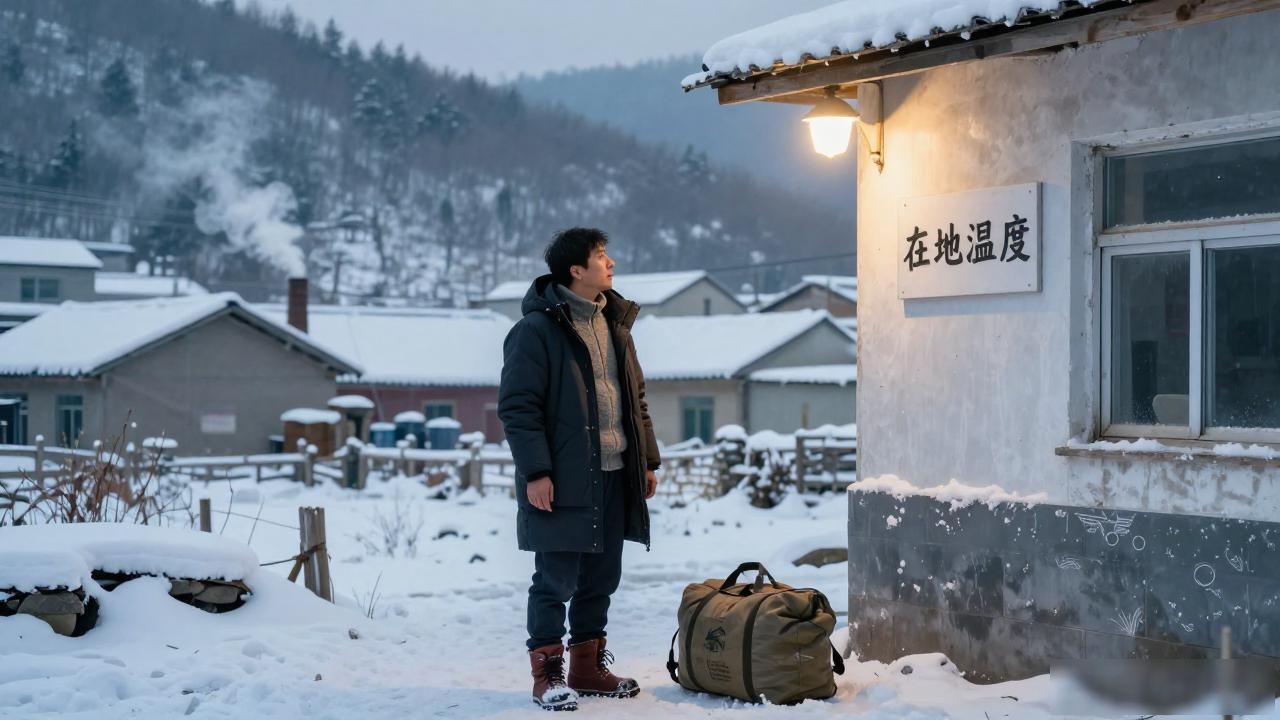
Off-beaten-path winter travel isn’t about finding locations nobody knows. It’s about understanding how your presence affects places that have survived on their own terms for generations. Pack light but pack warm. Rural clinics often lack supplies, and weather can strand you for days. Learn basic Mandarin phrases beyond hello and thank you — specifically directions, weather questions, and expressions of gratitude.
Support local economies directly. Buy from village women selling homemade tofu, stay in family-run guesthouses rather than booking through city agencies, eat where locals eat. This isn’t performance activism — it’s practical. The families running these operations know every hidden trail, every seasonal migration pattern, every story embedded in landscape. Their knowledge costs nothing but earns everything when you approach respectfully.
Most importantly, leave absolutely nothing behind except footprints that snow will erase. Bring out everything you bring in. When communities welcome outsiders into their winter world, they’re trusting people who understand that privilege doesn’t equal permission. The views you’ll witness — untouched, uncommercialized, unfiltered — belong to places that existed long before social media and will continue after you’ve gone home. Treat them accordingly, and you’ll return with more than photographs. You’ll carry something quieter: the sense that winter, at its most honest, has shown you exactly what it means to be small beneath sky.