
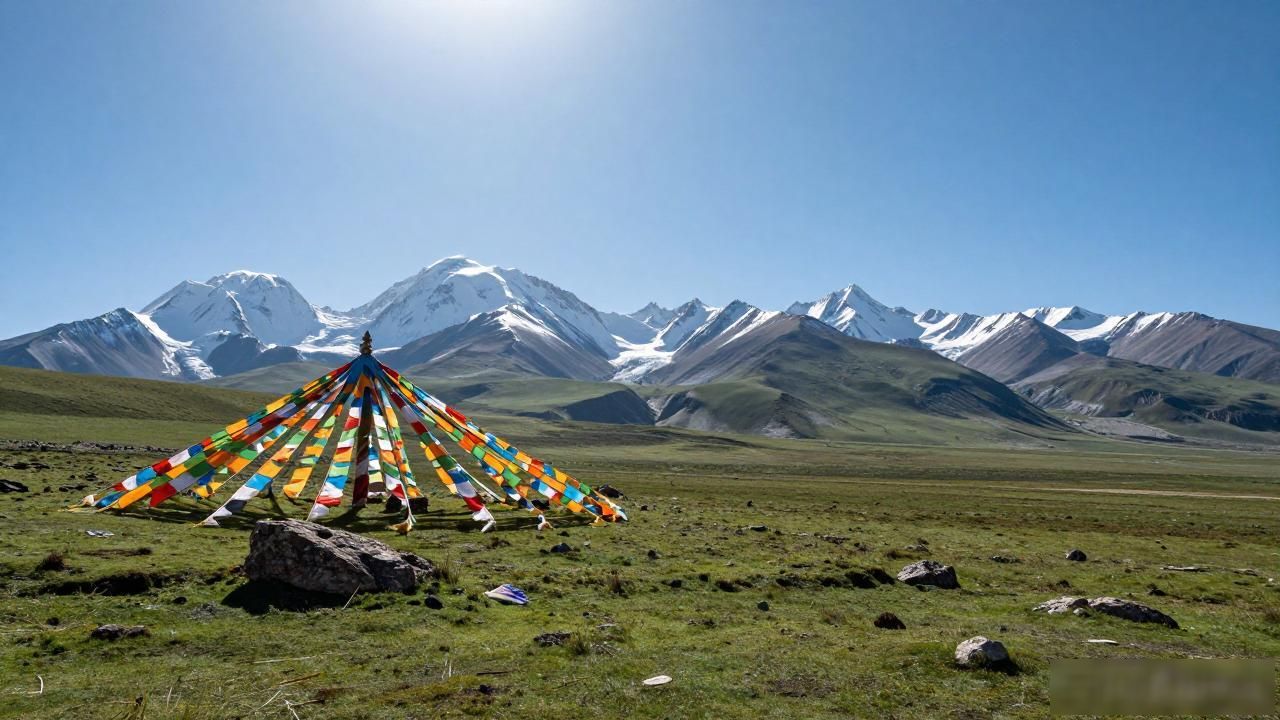
Exploring the Tibetan plateau in China is a bucket-list aspiration for many travelers drawn to high-altitude spirituality and stark, breathtaking landscapes. It is a region where ancient Buddhist traditions thrive amidst jagged peaks and vast, windswept grasslands, offering an experience unlike anywhere else on Earth. However, traveling in these remote areas requires more than just a suitcase; it demands preparation for altitude, a deep understanding of local customs, and navigation of specific travel regulations that can be complex for international visitors.
what is the best time to visit Tibetan areas
The window for comfortable travel in Tibet is relatively narrow due to the harsh winter conditions that persist for several months,making the selection of timing critical for a successful trip. June through September is widely considered the peak travel season, offering the most stable weather and accessible mountain passes for those keen on seeing the region. During these summer months, temperatures are mild enough for trekking, and the landscapes are lush and green, providing a striking contrast to the typical image of Tibet as a barren, frozen wasteland.

Early June and late September are particularly enchanting times to visit for those who wish to avoid the dense crowds of foreign tourists. The summer monsoons have not yet fully arrived in early June, leaving the skies crystal clear and the air crisp. Similarly, late September offers the “golden season” where the leaves turn color against a backdrop of brilliant blue skies, making photography conditions ideal for capturing the rugged beauty of the terrain.
Winter travel is generally discouraged for those unaccustomed to extreme cold, as temperatures can plummet well below freezing, and many remote roads are closed due to heavy snowfall. However, for the intrepid few, the winter months offer a glimpse into a more austere and authentic side of Tibetan life, where the light is intense and the silence of the landscape is profound, though visitors must be prepared for significant logistical challenges and limited availability of services.
what documents are required to enter Tibetan areas
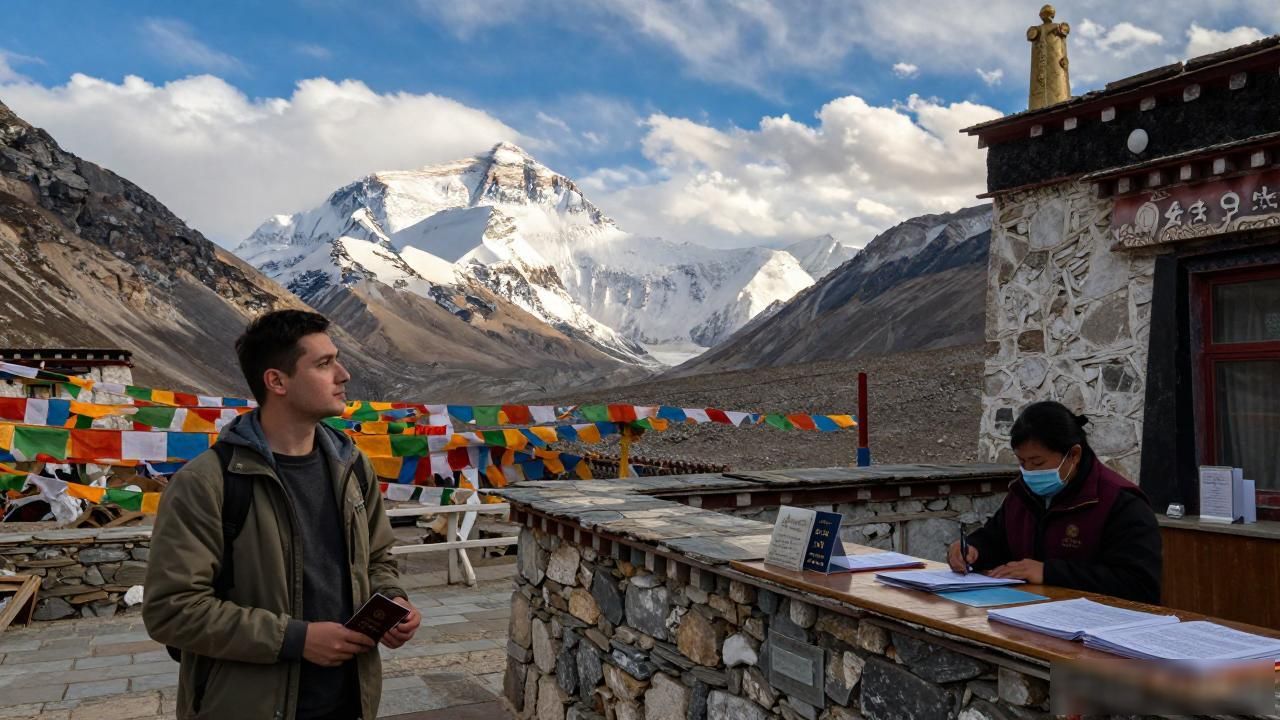
Securing the necessary paperwork is often the most daunting part of planning a trip to this remote part of China, and understanding the permit system is essential. Foreign passport holders cannot apply for the standard entry permit themselves; they must work with a licensed travel agency to arrange the Tibet Travel Permit, which is mandatory for boarding flights or trains to the region. This requirement applies to all international visitors, regardless of their visa status for mainland China, and the process can take several weeks.
Beyond the initial permit, traveling to sensitive border areas such as Mount Everest Base Camp, Ngari, or Nyingchi often requires an additional Aliens Travel Permit. These secondary permits are arranged by your guide during the trip based on your itinerary, ensuring that you comply with all local regulations. It is crucial to understand that independent travel is not permitted, meaning you must be accompanied by a licensed guide and driver for the duration of your stay within Tibetan administrative regions.
Foreigners cannot travel independently in Tibet and must book through a licensed travel agency that will handle all permit applications and transportation. This rule is strictly enforced at check-in points for flights and railways, so carrying the physical copy of your permit at all times is essential. Ensure your passport has ample blank pages and is valid for at least six months beyond your planned departure date to avoid any issues with immigration officials.
what are the top destinations to explore in Tibetan areas
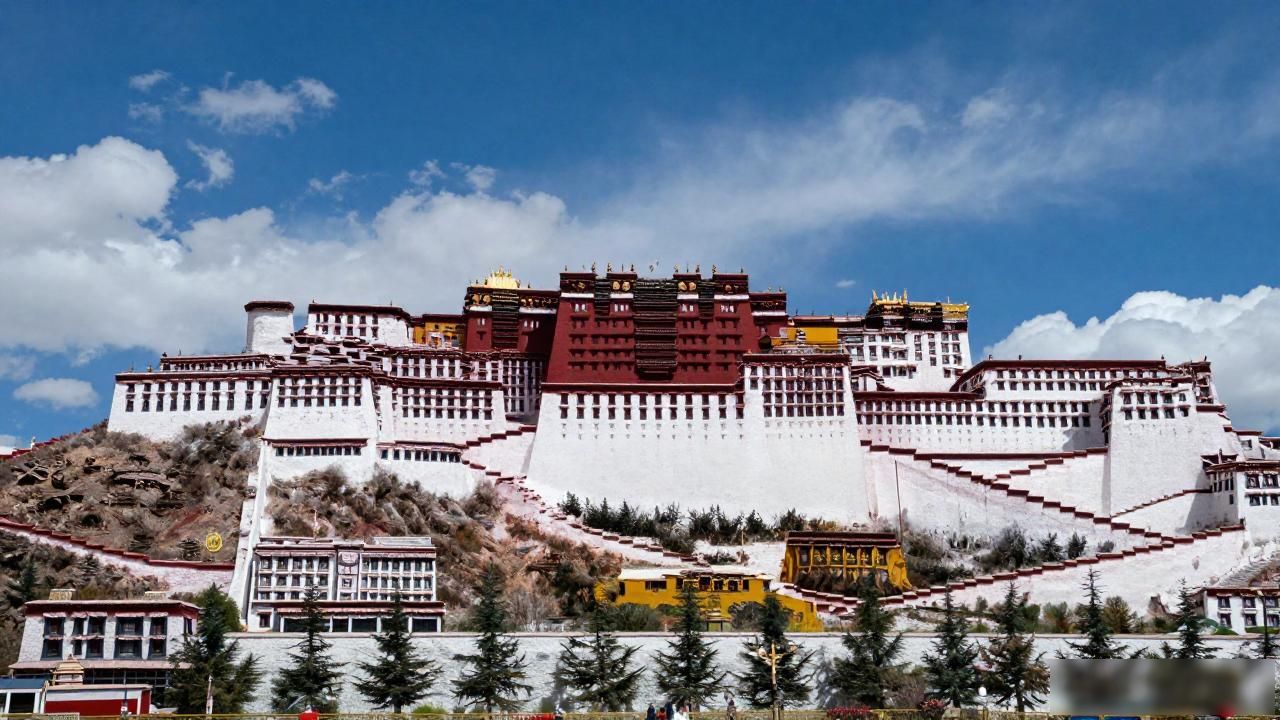
Lhasa stands as the ultimate starting point for any journey into Tibetan culture and history, serving as the spiritual and political center of the plateau. This high-altitude city is home to the majestic Potala Palace, which dominates the skyline and serves as a powerful symbol of Tibetan Buddhism, attracting pilgrims and tourists alike. Wandering through the bustling Barkor Street, you will see pilgrims spinning prayer wheels and the scent of juniper incense filling the air, creating an atmosphere that is both deeply spiritual and vibrantly alive.
For those seeking dramatic natural scenery, the road to Everest Base Camp is unparalleled in its grandeur. The journey takes you past towering white-capped peaks and across vast alpine lakes, offering some of the most photographed vistas in the world. Alternatively, the ancient city of Shigatse, home to the Tashilhunpo Monastery, provides a quieter, more introspective experience away from the crowds of the capital, allowing for a deeper connection with the local monastic traditions.
Lhasa remains the cultural heart of the region with its stunning Potala Palace and the joyful energy of local markets. Meanwhile, venturing into the far western reaches of Tibet near the border of Nepal offers a sense of isolation and grandeur found nowhere else on Earth. The combination of sacred architecture, hospitable local people, and immense geographical scale ensures that a trip to Tibetan areas is an unforgettable encounter with one of the planet’s most distinct civilizations.