
Taiyuan, the capital of Shanxi Province, is often overlooked by international travelers, but it holds a deep well of history, culture, and everyday charm. This guide is designed to help you navigate the city like a local — not just to see the sights, but to understand what makes Taiyuan worth your time. From ancient temples to modern street food,here’s what you really need to know.
How to spend a full day exploring Taiyuan

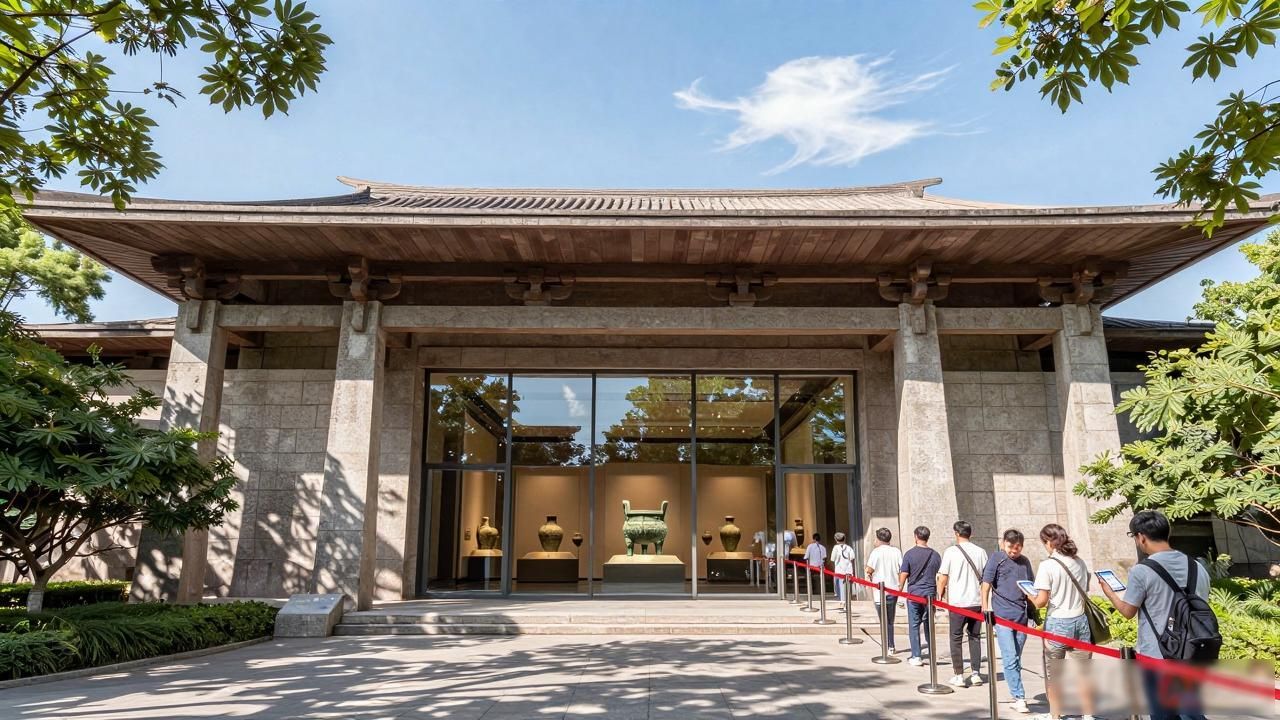
Start your morning at the Shanxi Museum, one of the best in northern China. It’s free to enter but you need to book a slot online or bring your passport for a same-day ticket. The museum’s collection of ancient bronze vessels and Buddhist statues is world-class. Give yourself at least two hours here.
After that, head to Jinci Temple, about 30 minutes by taxi from the city center. It’s a sprawling complex from the Zhou Dynasty, with stunning architecture and ancient cypress trees. Don’t rush — walk slowly and notice the stone carvings and the famous “Nanlao Spring” that still flows after thousands of years. Many visitors skip this place because it’s slightly out of the way, but it’s actually the city’s most authentic historical site.
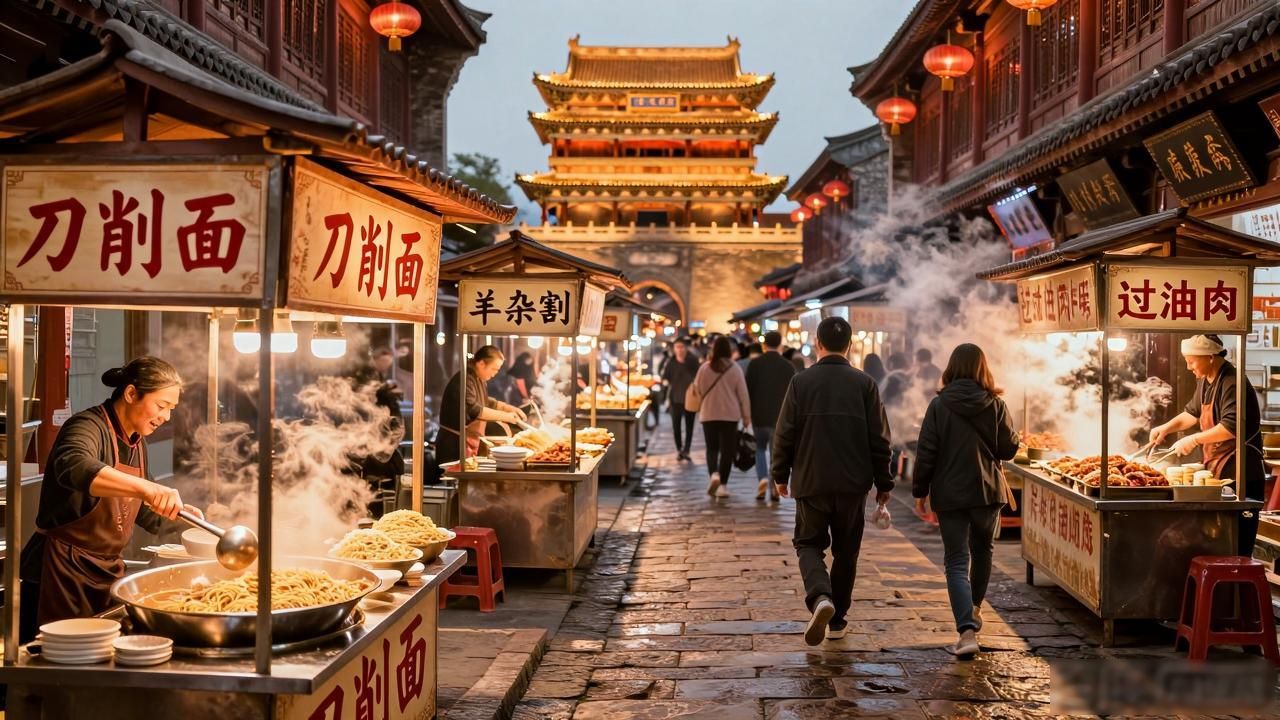
For lunch, go straight to Liuxiang Street, the old food market in the city center. Skip the tourist-heavy restaurants and look for small stalls selling “Taiyuan noodle bowls” or “yang rou pao mo” — a lamb soup with torn flatbread. Locals line up at a place called “Old Wang’s Noodle Shop” near the south end of the street. Order the knife-cut noodles with pork sauce.
What to eat and where to find real local food
Food is a huge part of the Taiyuan experience, but you have to know where to look. The most famous local dish is “dao xiao mian” (knife-cut noodles), and the best version is not in a fancy restaurant but in a small shop near Wuyi Square. Look for a place called “Shanxi Noodle King” — it has a red sign and a long queue at noon. The noodles are chewy, the broth is rich, and the chili oil is optional but recommended.
Don’t leave without trying “tai yuan ji” (Taiyuan chicken), a cold appetizer made with shredded chicken and a tangy garlic dressing. You’ll find it in most local eateries, but the best is at “Grandma’s Kitchen” on Xinjian Road. It’s a tiny place with only five tables, and the owner speaks no English, so just point at the menu and smile.
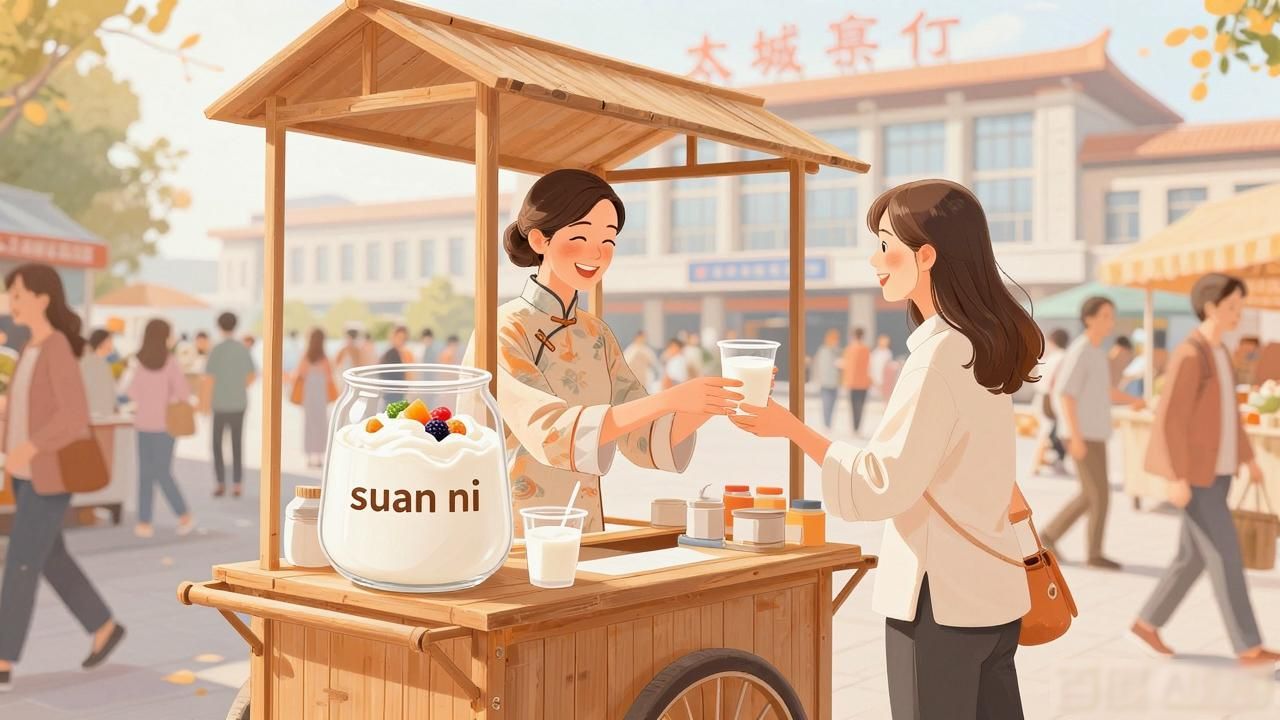
For dessert, seek out “suan ni” — a fermented yogurt drink sold from street carts near the train station. It’s sour, slightly sweet, and incredibly refreshing after a day of walking. Most tourists miss this because they stick to bottled drinks from convenience stores, but this is the real local taste.
Taiyuan rewards the curious traveler. It’s not a polished tourist city, but every street corner and every bowl of noodles tells a story. Take your time, eat where the locals eat, and you’ll leave with memories that no guidebook can fully capture.