
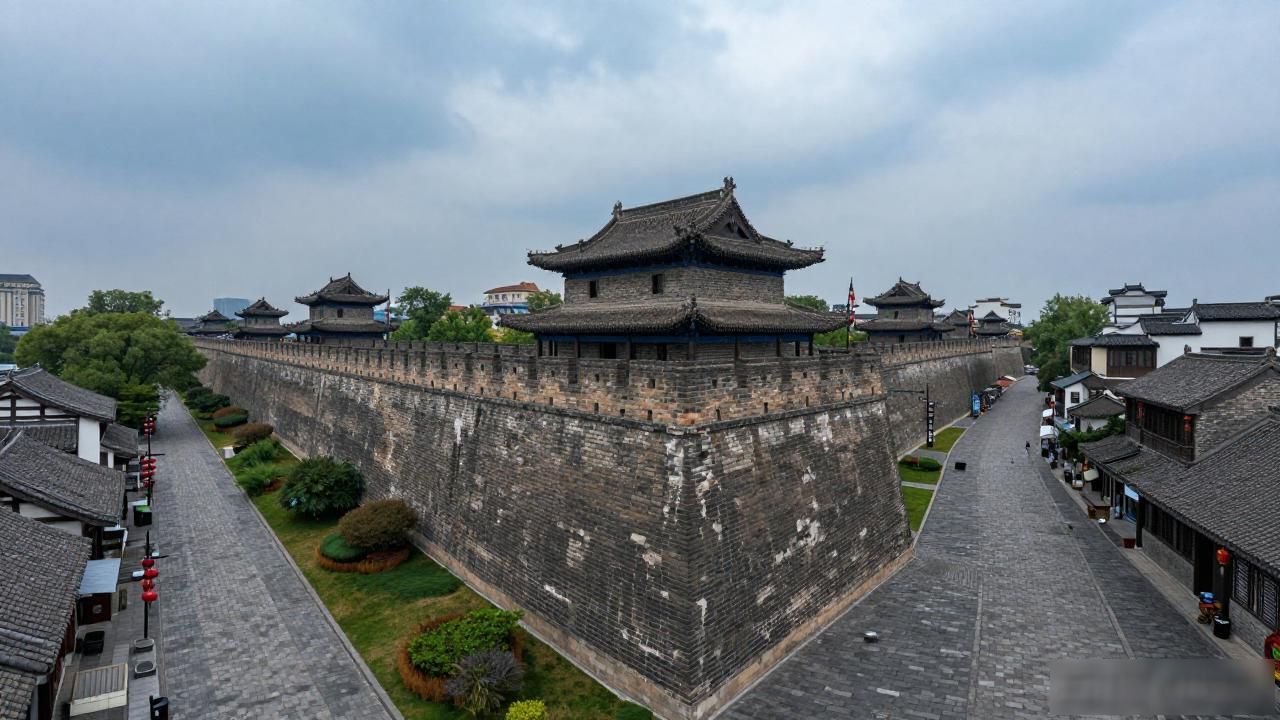
Nanjing holds a special place in Chinese history as one of the nation’s ancient capitals, and its old buildings tell stories that span nearly seven hundred years. From towering city walls built during the Ming Dynasty to quiet Buddhist temples tucked away in hillsides, the city’s architectural heritage is impressive. For travelers and history lovers, walking through Nanjing feels like stepping into multiple eras at once. Each stone and wooden beam carries memory.
Where to See These Structures

The Ming City Wall is the most striking example of Nanjing’s old defensive architecture. Built over six hundred years ago, parts of it still stand around the city, including the well-preserved section near Zhonghua Gate. The wall stretches for dozens of kilometers in total, though only fragments remain today. Visitors can walk along its top and imagine what this city must have looked like in the fifteenth century, when it was one of the largest urban centers in the world.
The City God Pavilion offers a quieter, more intimate encounter with Ming-era design. Located near Fuzimiao, this small temple has survived countless fires and wars, and its reconstruction honors the original craftsmanship. The carved wooden beams and painted eaves show the level of detail that traditional Chinese builders brought to even modest structures.
Which Buildings Stand Out Most
Xuanwu Pagoda rises above Xuanwu Lake and serves as a visual landmark you can spot from many parts of the city. Though the current structure is a twentieth-century reconstruction, it stands on a site with religious significance going back to the Southern Dynasties period. The surrounding park area makes it a popular spot, and views from the upper levels give you a sense of how the city has grown around these old foundations.
Jiming Temple near the city wall is another place worth seeking out. This active Buddhist monastery dates back to the Eastern Jin Dynasty, making it over sixteen hundred years old. Its yellow walls and green-tiled roofs create a vivid contrast against the modern skyline, and the atmosphere inside is peaceful regardless of your beliefs. The temple’s location next to the old city wall is no accident — monasteries were often placed near fortifications for protection.
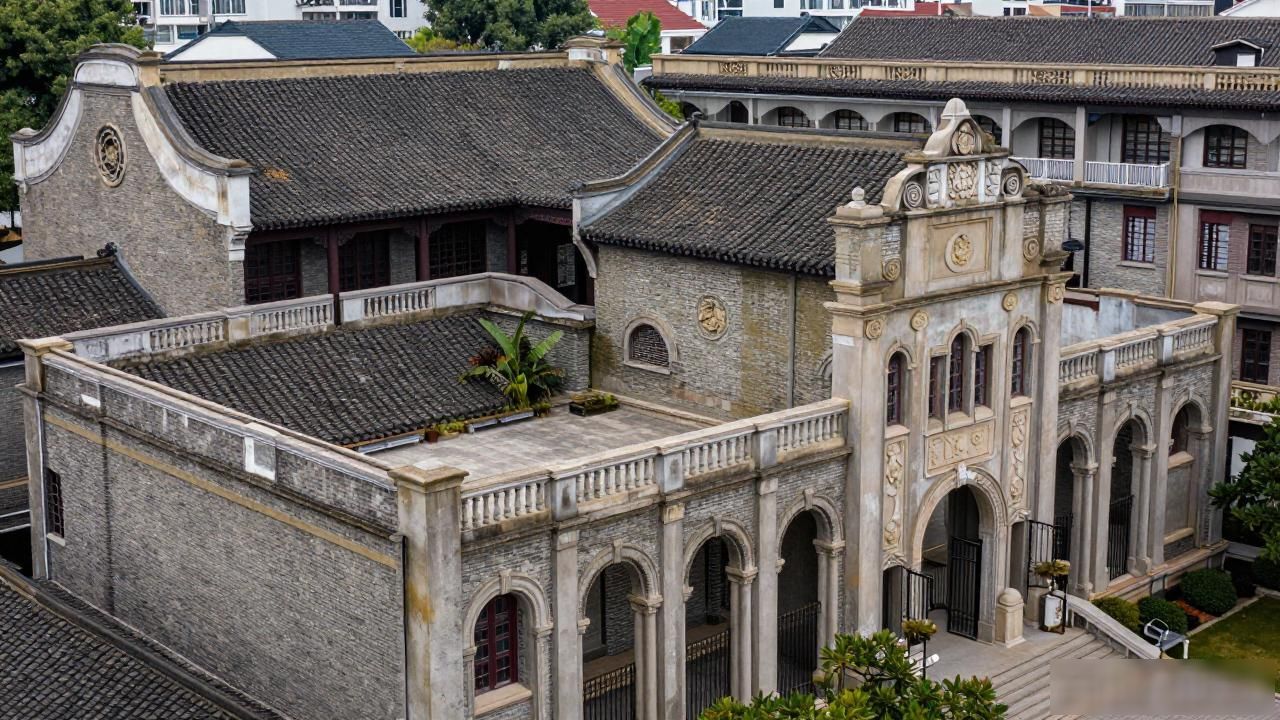
The Presidential Palace complex reflects a different kind of history. While not ancient in the traditional sense, the buildings here blend Chinese and Western architectural styles from the late nineteenth and early twentieth centuries. The courtyard layout follows classical Chinese principles, but the brickwork and window designs show foreign influence. It’s a reminder that Nanjing’s story doesn’t stop with the Ming Dynasty.
These buildings are not museum pieces locked away from daily life. They sit alongside skyscrapers and busy streets, sharing the same air with people who live, work, and walk past them every day. That coexistence is part of what makes Nanjing’s architectural landscape so compelling — the old and the new are not rivals but companions in a city that has always been changing.