
Planning a trip to China? Most visitors start with Beijing and Xi’an, and for good reason. These two cities offer the very best of Chinese history, culture, and modern energy. Beijing is grand and imposing—home to the Great Wall, the Forbidden City, and Hutong neighborhoods full of life. Xi’an is quieter, older, and deeply atmospheric, with its Terracotta Army and ancient city walls. Together, they give you a well-rounded taste of what makes China so fascinating.
What to See in Beijing
Start your Beijing days with the iconic sites. The Forbidden City is enormous and awe-inspiring. Walk through its courtyards and imagine the emperors who once ruled from these halls. The Temple of Heaven nearby is a wonderful contrast—serene gardens and beautiful architecture that feel far removed from the imperial drama of the Forbidden City.

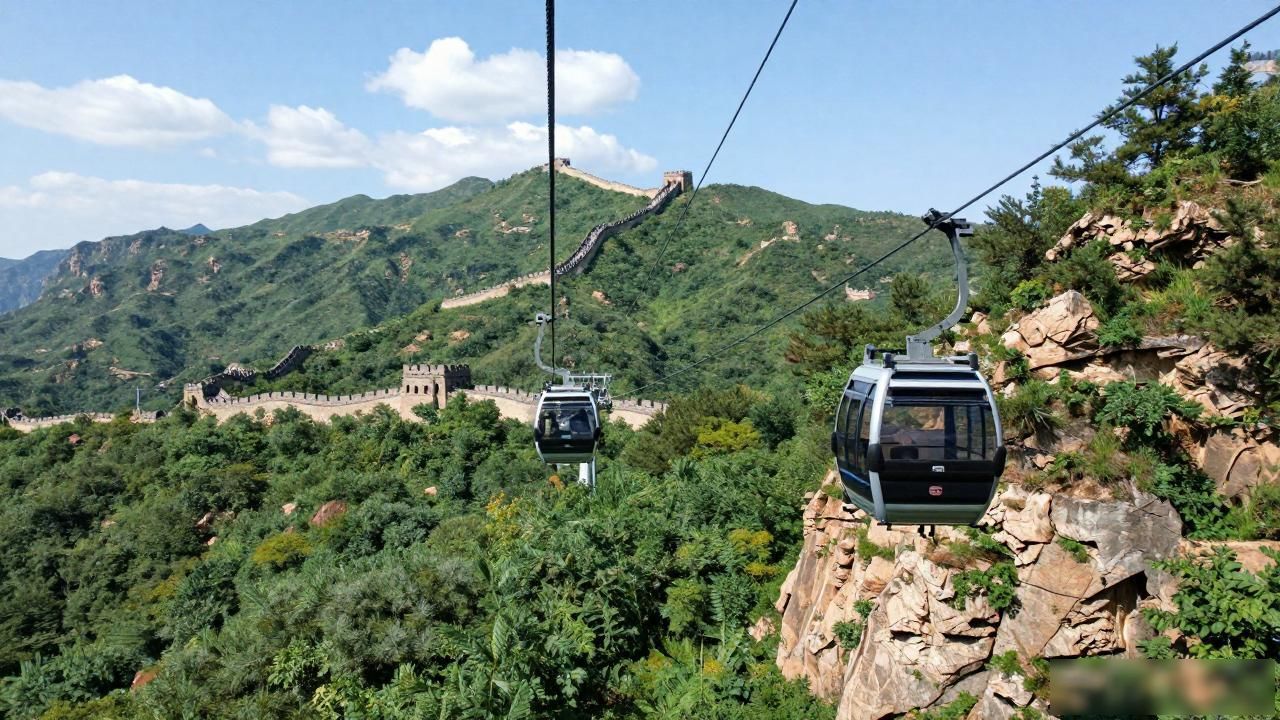
No trip to Beijing is complete without the Great Wall. Mutianyu is my pick. It’s less crowded than Badaling, beautifully restored, and the cable car makes it accessible even if you’re not a hardcore hiker. Spending half a day up there, taking in the mountain views, is something you’ll remember forever.
In the evenings, explore the Hutongs. These narrow alleys around Nanluoguxiang and Yandaokou are where Beijing lives and breathes. Grab a meal at a local spot, try the roast duck at Quanjude or Siji Minfu, and wander past courtyard homes that have stood for centuries.
Things to Know Before Visiting Xi’an
Xi’an was the eastern starting point of the Silk Road, and you can feel that history everywhere. The Terracotta Army is the main draw, and it absolutely lives up to the hype. Hundreds of life-sized warriors, each with a different face,line up in massive pits. Arrive early—right when the museum opens—to beat the crowds. You’ll want time to take this in slowly.
The city wall is another highlight. You can rent a bicycle and ride the full loop along the ancient fortifications. Doing this at sunset is magical. The old city transforms into a golden glow, and you get a real sense of stepping back in time.
Don’t skip the Muslim Quarter near the Great Mosque. Street food here is incredible—biang biang noodles, lamb skewers, pita-style flatbreads stuffed with spiced meat. It’s loud, crowded, and utterly delightful.

How to Travel Between Beijing and Xi’an
The high-speed train connecting Beijing and Xi’an takes about four and a half hours. It’s comfortable, punctual, and surprisingly scenic. Book your tickets in advance, especially during peak travel seasons. Second class seats are perfectly fine for most travelers and cost a fraction of first class.
Flight options exist too, taking roughly two hours, but the train experience is often more enjoyable and gives you a taste of modern Chinese infrastructure. Either way, plan your travel day carefully so you don’t lose a full day of exploration.