
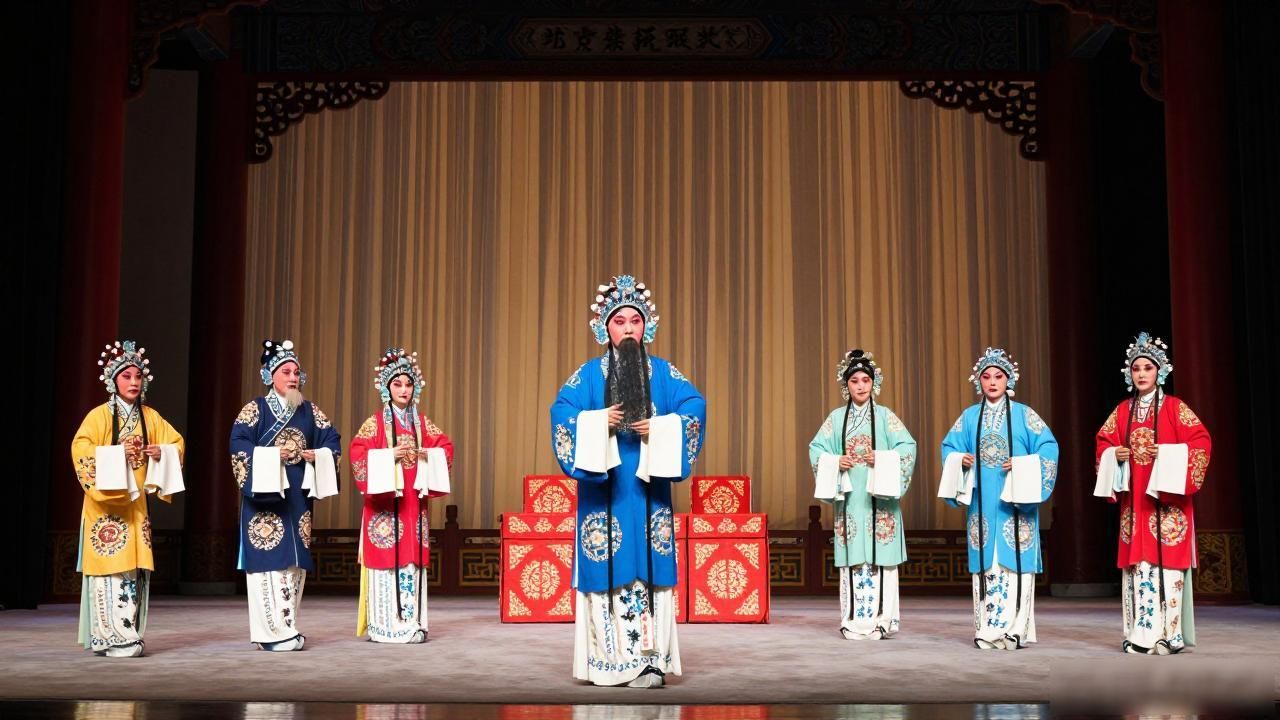
Having spent over a decade guiding foreign visitors to live Beijing Opera performances, I’ve learned that the experience goes far beyond just watching a show. It’s about stepping into a world where centuries of tradition come alive through powerful voices, breathtaking acrobatics, and costumes so elaborate they look like living paintings. If you’re planning a trip to China and want to catch an authentic performance, picking the right troupe matters enormously.
Which Are the Oldest and Most Respected Beijing Opera Troupes?
The history of Beijing Opera dates back to the late 18th century, and some of the oldest troupes still performing today trace their lineage directly to those early days. The National Centre for the Performing Arts in Beijing, often called the Bigegg, hosts performances by several of the country’s most prestigious troupes and has become a must-visit destination for opera lovers.

The Beijing Peking Opera Company stands as perhaps the most famous troupe in the entire country. Founded in 1955, it brought together some of the finest performers from various regional schools to create a single elite ensemble. Their productions are known for exceptional quality in every aspect, from singing to acting to stage design.
Another legendary name is the Cheng Brothers School, representing one of the most influential vocal styles in all of Chinese opera. Artists like Jin Shaoshan and Gai Jiaotian revolutionized the art form, and their techniques remain central to training programs at the national academy today.
What Makes These Troupes Different from One Another?
Each troupe carries its own artistic DNA, shaped by the legendary performers who founded it. The Cheng style emphasizes smooth, flowing vocal delivery, while the Yan school is celebrated for its bold and powerful singing. Understanding these differences helps you choose which performance aligns with your tastes.
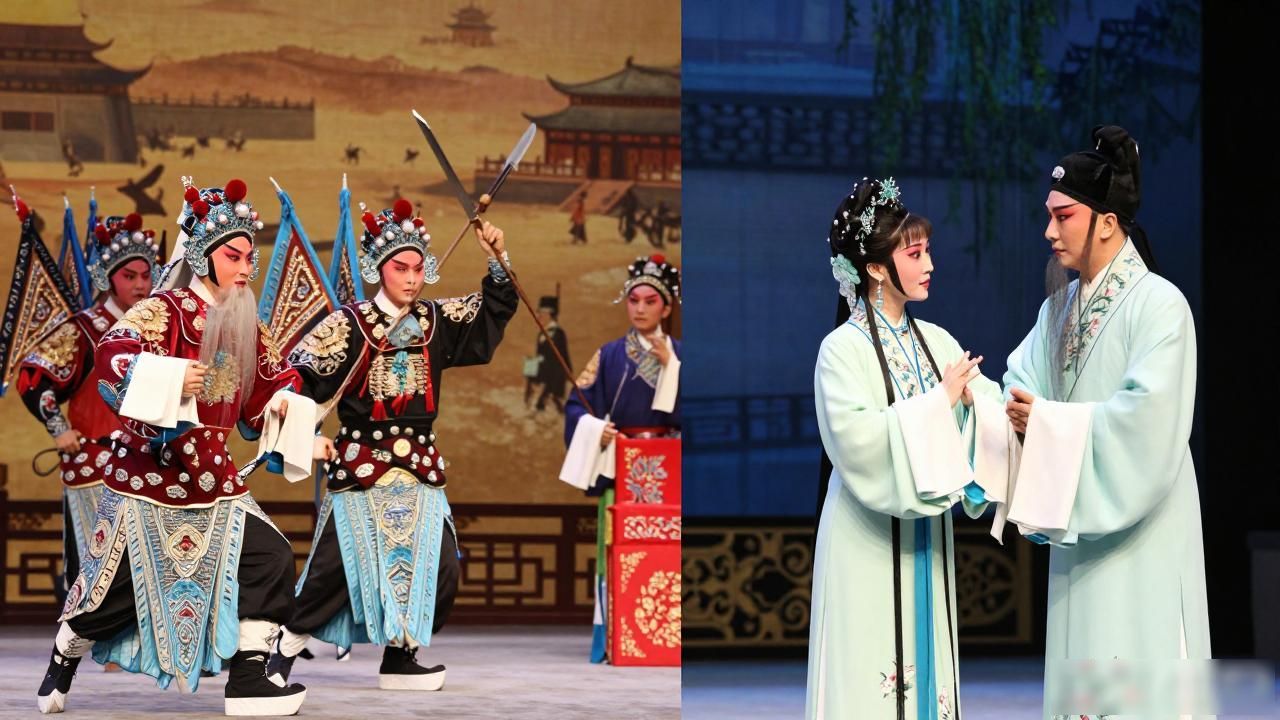
Some troupes specialize in historical epics featuring warriors and generals on elaborate battlefields. Others focus on intimate romance stories that showcase subtle emotional expression through gesture and movement. Both approaches are deeply rooted in centuries-old performance traditions,and both can leave you genuinely moved.
Water sleeves, facial makeup, and precise body movements form the visual language of Beijing Opera. Every color in the facial paint tells you something about the character — red signals loyalty and bravery, white suggests cunning and deceit, and black represents honesty and impartiality. These visual codes have remained remarkably consistent across troupes for generations.
Where Can Tourists Watch Live Beijing Opera Performances?
The Tianqiao Theatre in central Beijing is one of the oldest and most iconic venues for Beijing Opera. Located in the district where the art form first gained popularity among ordinary citizens, this theater has hosted legendary performances and remains a cultural landmark worth visiting.
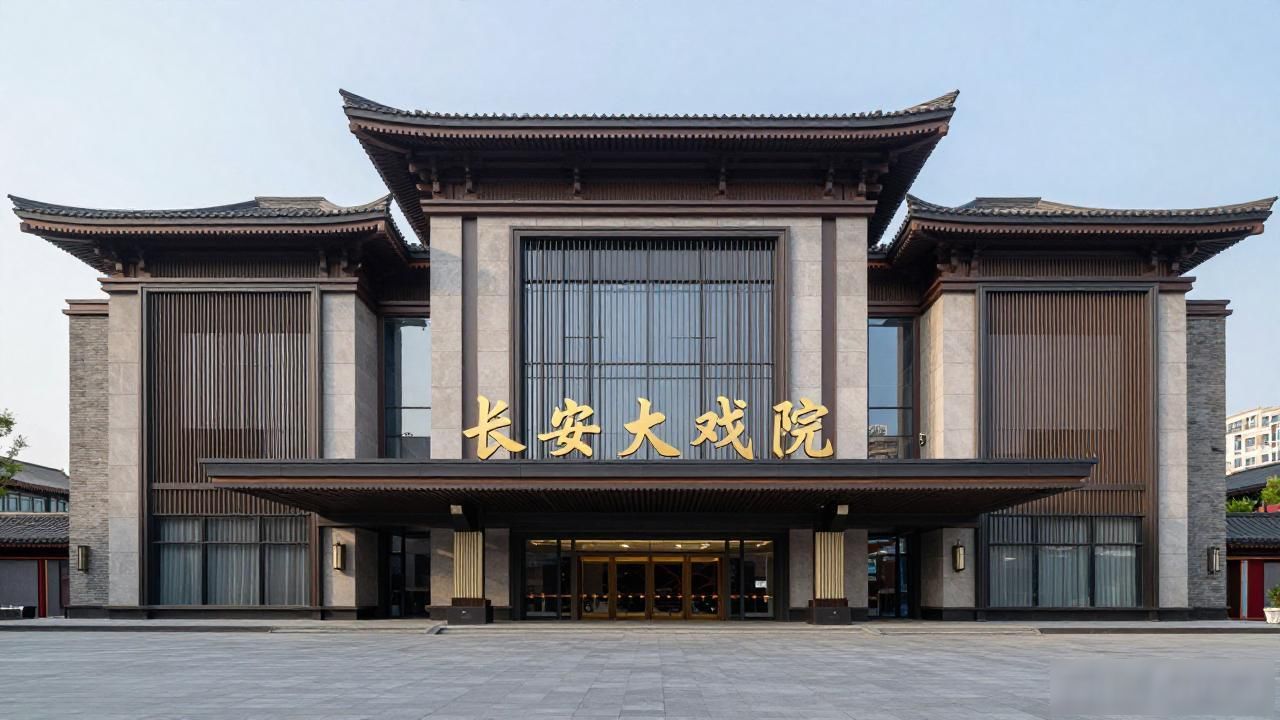
The Chang’an Grand Theatre, located near the bustling commercial district, is another excellent option. This large modern venue presents full-length productions featuring top-tier performers from across China. The acoustics and stage design are state of the Art, making it a fantastic choice for first-time attendees who want a premium experience.
The Mei Lanfang Memorial Museum offers a quieter but equally valuable glimpse into the world of Beijing Opera. While not a performance venue, it houses extensive exhibitions about the famous performer who helped spread Chinese opera internationally and provides context that enriches any live performance you later attend.
Picking your seats wisely matters as much as picking the right troupe. Good seats range from around 80 to 380 dollars depending on the venue and production, and tickets for popular performances can sell out weeks in advance, especially during peak tourist seasons. The most acclaimed performers usually appear at the top theaters rather than smaller venues, so do your research before booking. Experiencing Beijing Opera live is one of those rare moments where ancient art meets present energy, and it stays with you long after the final note fades.