
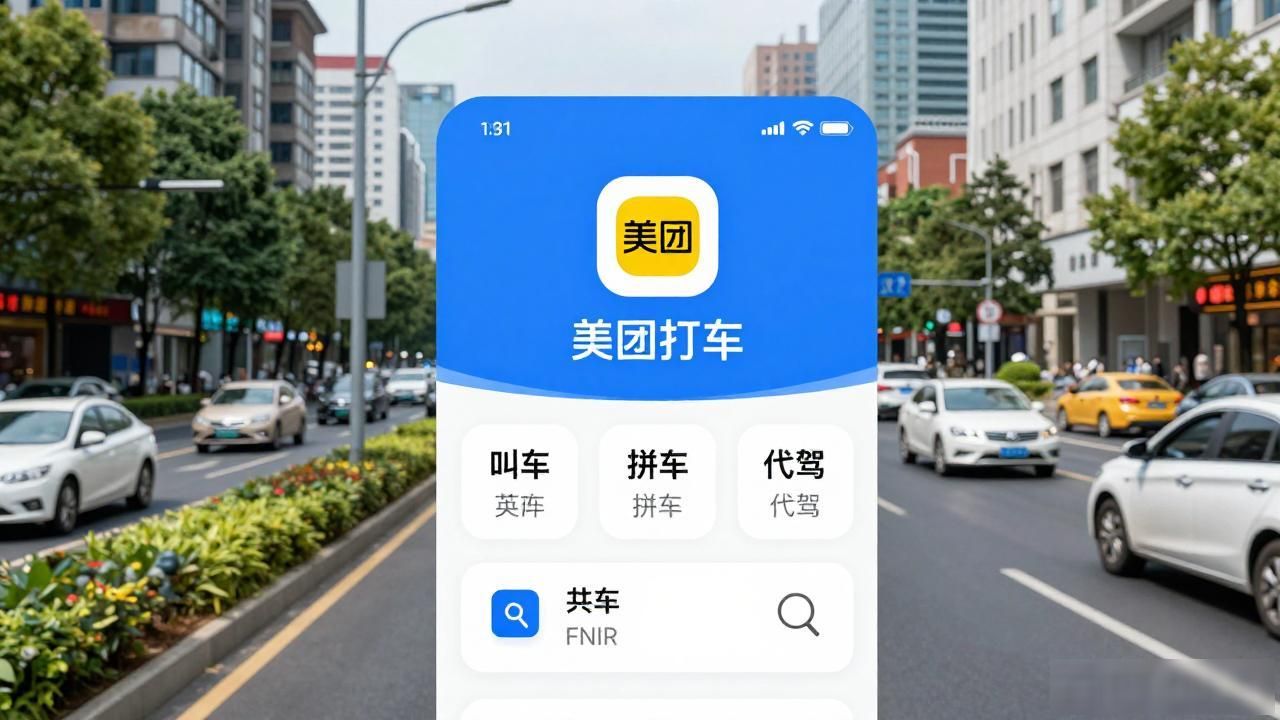
Using Didi in China has become second nature for locals, but when the app doesn’t work for you—whether because of language barriers, payment issues, or simply wanting backup options—you need alternatives. China’s ride-hailing market is actually more competitive than most travelers realize, and having several options can save you during peak hours, rainy days, or when Didi is simply unavailable in certain areas.
I’ve spent years navigating Chinese cities as a traveler, and I’ve learned that knowing your ride-hailing options makes all the difference between a smooth trip and a stressful one waiting on a sidewalk.
What is the best Didi alternative in China

Meituan rides stand out as the strongest competitor to Didi across most Chinese cities. This platform originated from the popular food delivery app and has expanded aggressively into ride-hailing services. The interface is available in both Chinese and English, which already gives it an advantage for foreign users. Meituan often offers lower prices than Didi, especially when promotional discounts are active, making it a budget-friendly option for daily commuting or airport transfers.
The app integrates seamlessly with WeChat and Alipay, so payment isn’t a barrier if you’ve already set up those platforms. You can book rides ranging from economy to premium categories depending on your needs. In tier-one cities like Beijing,Shanghai, and Shenzhen, Meituan coverage is nearly as extensive as Didi’s. Even in smaller cities, you’ll likely find drivers available within minutes.
Another solid choice is Hello Transit, operated by the bike-sharing giant Hello Bike. This app provides both car rides and shared ride options at competitive rates. It works well in mid-sized cities where Didi might have fewer drivers. The pricing structure is straightforward, and the app supports English navigation, which reduces the frustration of trying to type in Chinese addresses.
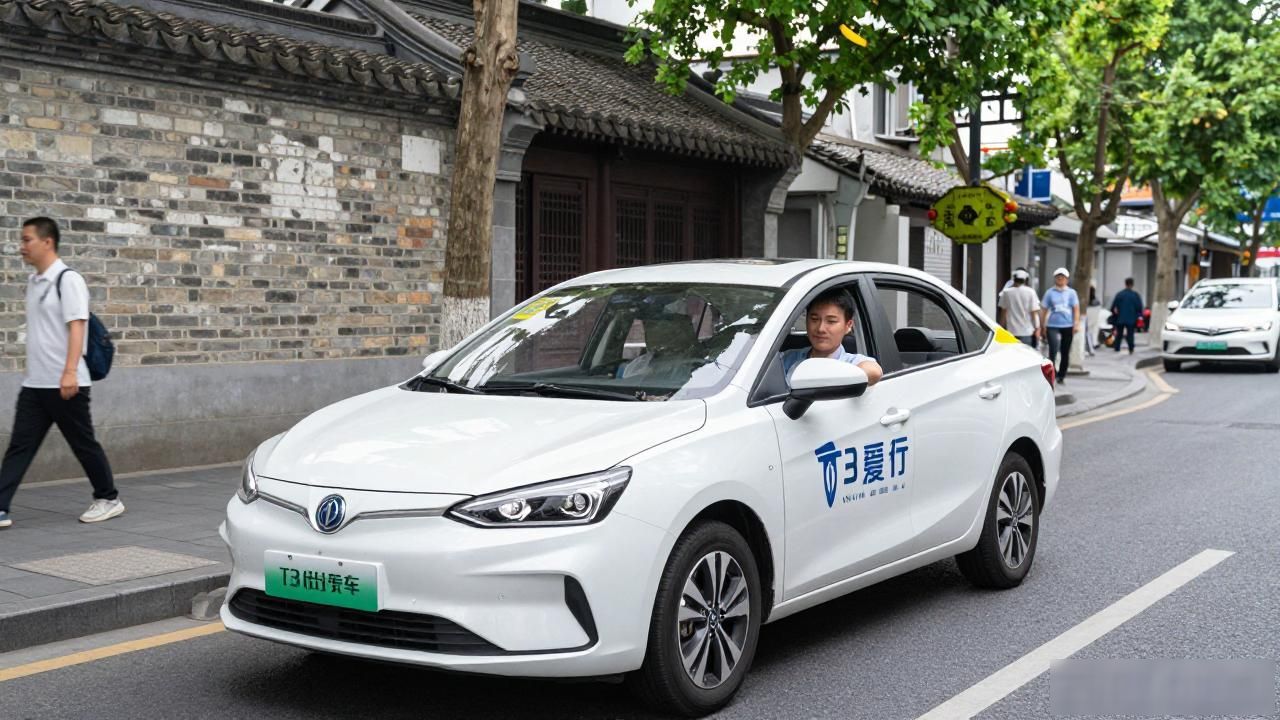
T3 Chuxing deserves special mention, particularly in cities like Nanjing, Wuhan, and Chongqing. This platform is backed by major automakers including FAW, Dongfeng, and Changan, which means the vehicles tend to be newer and well-maintained. Foreign travelers will appreciate the professional driver standards and the clean, consistent car quality throughout rides.
Which China ride app works best for foreigners
Caocao Ride is operated by Geely and has carved out a reliable niche in Hangzhou, Shanghai, and several eastern Chinese cities. The app has an English version that is more polished than many competitors. Drivers are trained professionals, and the ride experience is generally calm and comfortable. Payment through international credit cards is sometimes supported, though this varies by city and city.
Grab, the Southeast Asian giant, actually operates in China through partnerships in select tourist areas. If you already have the Grab app installed from a trip to Thailand or Singapore, it might feel more familiar than downloading a brand-new Chinese platform. However, coverage remains limited compared to local alternatives.
A practical tip that many travelers overlook: keep WeChat Pay or Alipay loaded before arriving. Even when using a foreign ride-hailing app, some services may push you toward these payment methods for a smoother checkout process. Having both configured on your phone removes an entire layer of friction from your transportation experience in China.
How to choose the right ride app in China
The best approach is to install at least two ride-hailing apps before your trip and test them during your first few days. Download Meituan and Caocao as your primary options, with Hello Transit or T3 as backups. Each app performs differently depending on location, time of day, and weather conditions. Carrying a small amount of cash also helps in case any app fails completely and you need to flag down a taxi on the street instead.