
A solid Beijing travel guide isn’t about stuffing every landmark into one weekend. It’s about knowing which corners of the city actually reward your time and which you can safely skip. After five visits I’ve learned the difference between the Beijing that tourists photograph and the one locals actually live in.
What should a Beijing travel guide cover

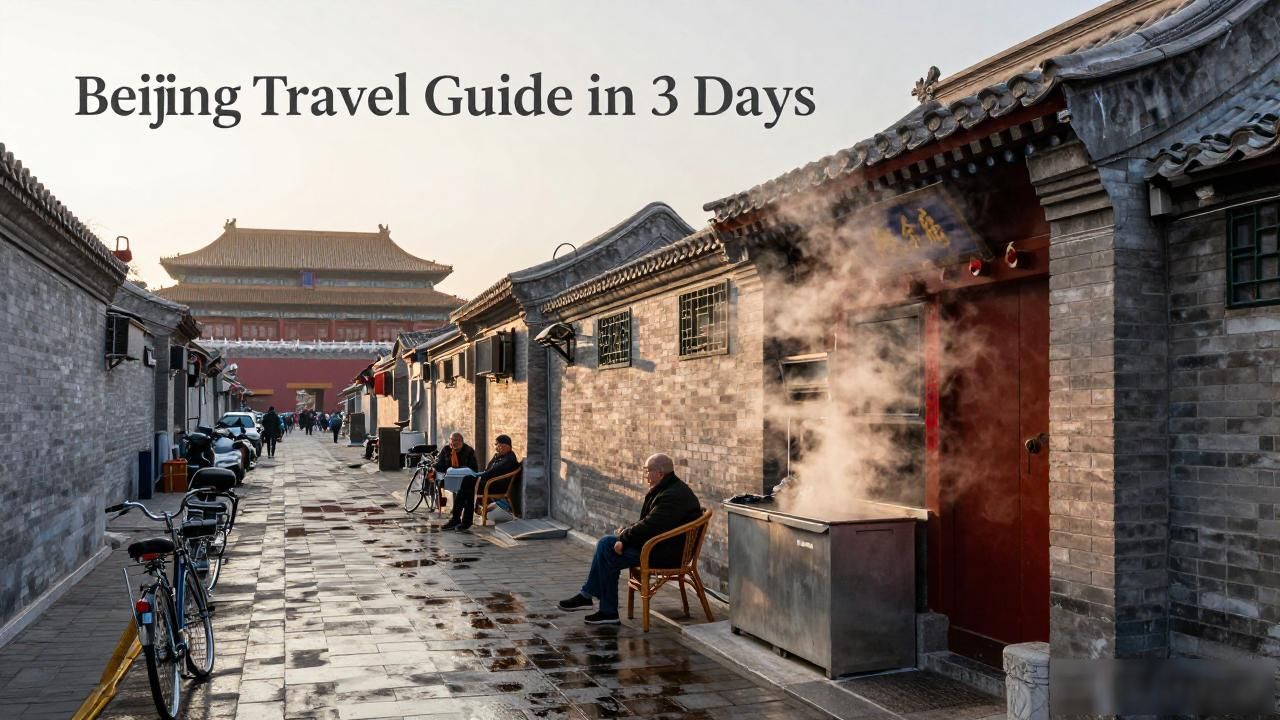
Start with the Forbidden City, yes, but only if you arrive before nine when the tour buses haven’t yet flooded the meridian gate. The real value sits in the smaller courtyards just north—Houhai, Qianhai, the old hutong lanes where noodle shops still steam at seven in the morning. A Beijing travel guide that skips the hutongs entirely misses the city’s actual daily rhythm, the part no postcard captures.
Catch the Temple of Heaven at dawn instead of midday. You’ll see the local tai chi crowd stretching under the pines, not a sea of selfie sticks. The park feels like another planet compared to the tourist crush two blocks south. Pair it with the Bell and Drum Towers for a quieter stretch if you have the afternoon.
How many days does a Beijing travel guide need
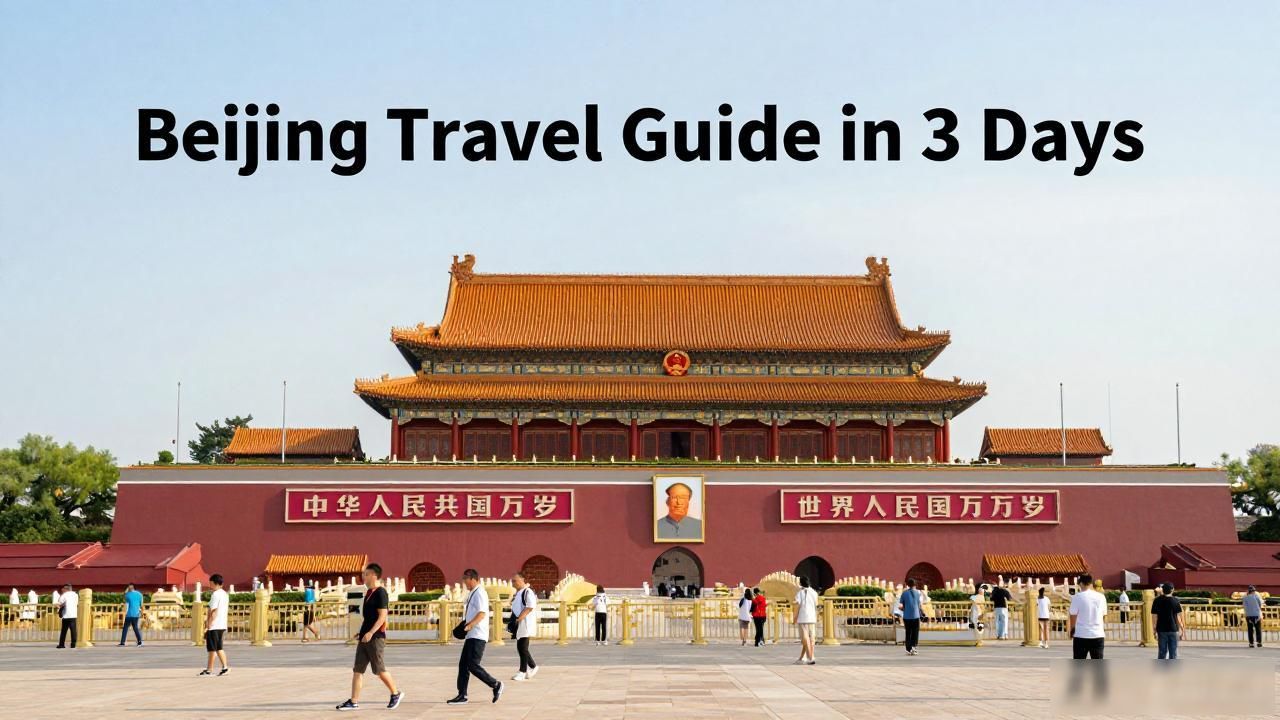
Three days is the bare minimum that avoids feeling like a conveyor belt. Day one: Forbidden City, a hutong lunch at a crowded duck shop. Day two: Temple of Heaven at sunrise, then the 798 art district in the evening where the galleries and cafés stay open past ten. Day three: Mutianyu Great Wall at first light, back by two,and a Peking duck dinner at a small place off the main drag.
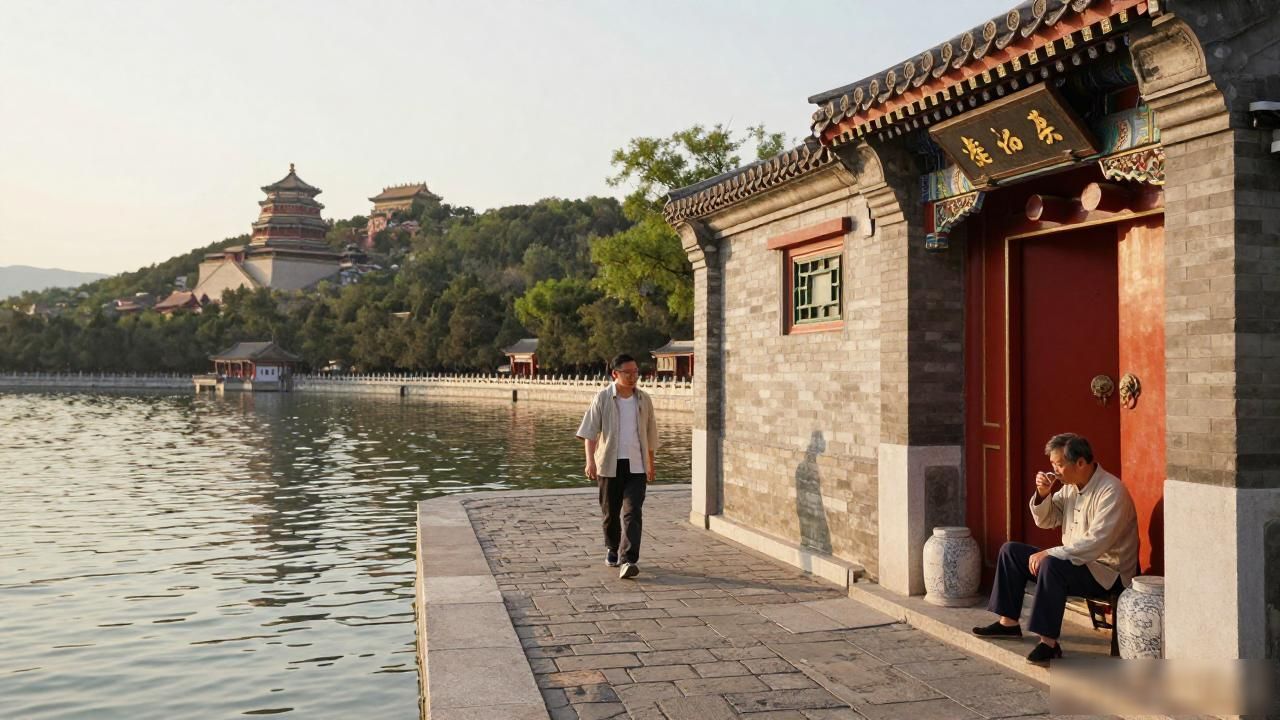
Four days lets you slip in the Summer Palace and a slow morning wandering the 5th Yuan alley near Fuxingmen. That’s where a Beijing travel guide stops being a rigid checklist and starts feeling like a city you actually got to know.
No Beijing travel guide on any shelf will beat the version you build yourself just by walking. Skip the combo tickets, eat where the queue looks local, and give yourself one completely unstructured afternoon. That’s where the real city finally shows up.