
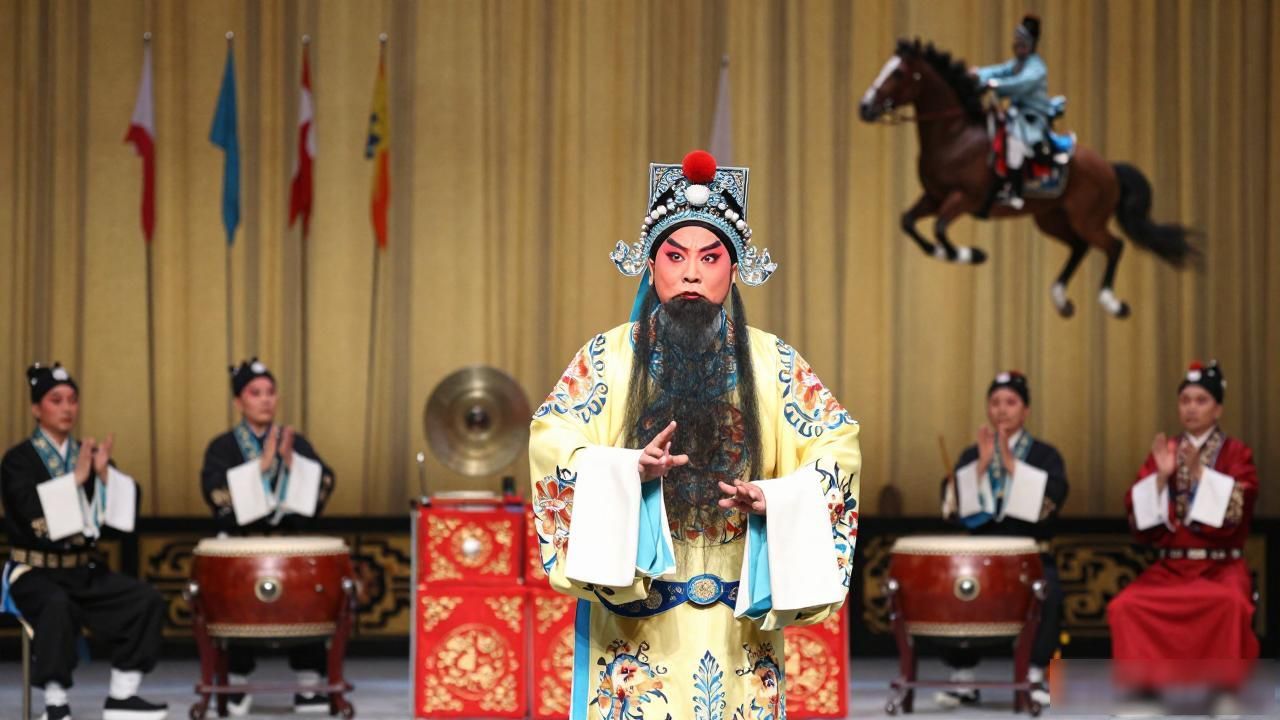
Beijing Opera performances are the most celebrated traditional stage art in China, blending singing, acrobatics, martial arts, and mime into one dense spectacle. For most foreigners, the experience feels simultaneously fascinating and slightly intimidating. This short guide breaks down what actually happens on stage and where to catch a real show without getting lost.
Can You Follow Beijing Opera Performances

Honestly, no—and that’s perfectly fine. The plot is secondary to the performance itself: the way an actor flicks a long black beard to show emotion, the thunderous clapping of a percussion section keeping time, or a rider doing backflips while “galloping” on an invisible horse made of four small flags. You don’t need to understand a single lyric to feel the raw energy in the hall.
Most mainstream venues now hand out English program booklets. The Meihuashi Theatre, for instance,gives you a laminated card at the door that translates character names and explains what each face-painting color means. Skim that card during the overture and you’ll catch the major plot beats without getting lost in the whirlwind.
Where to Watch Beijing Opera Performances
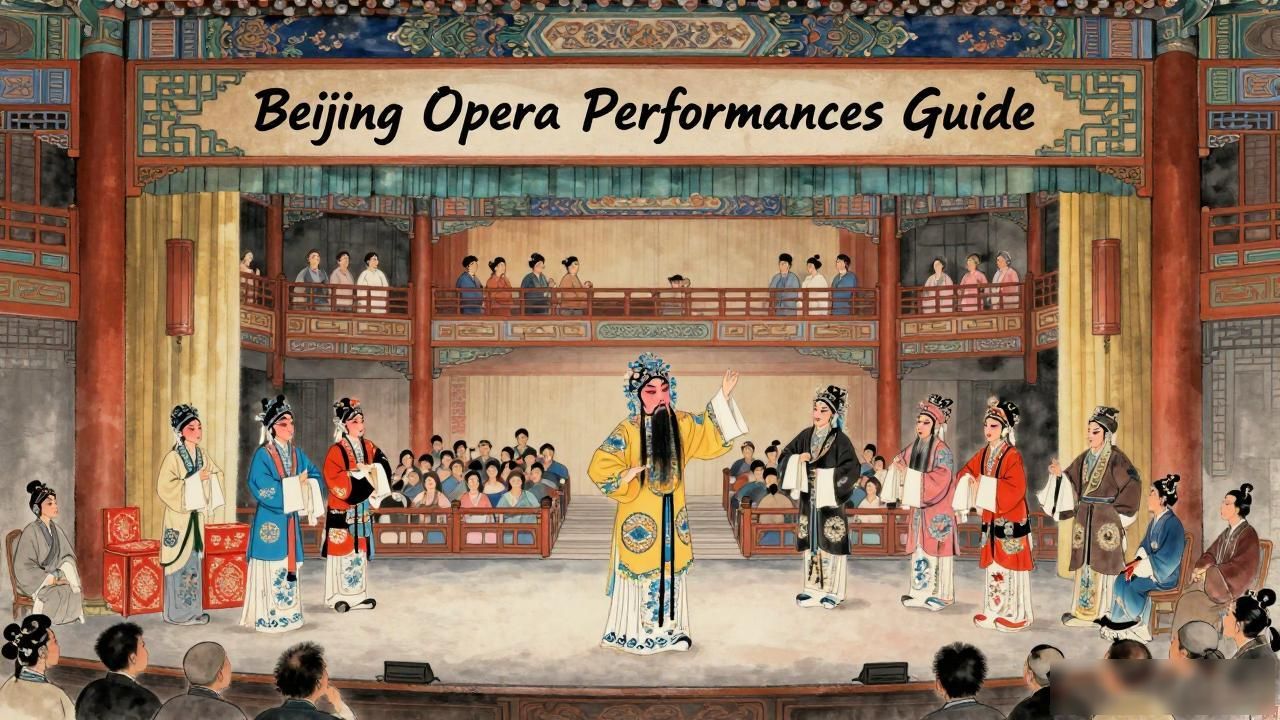
The Meihuashi Theatre on Dongjiaominxiang Street is the easiest starting point. Shows run nightly, tickets range from ¥80 to ¥300 depending on your seat, and a bilingual host walks you through each act in English between scenes. It sits in the old Qianmen district, so you can easily pair the show with a proper Peking duck dinner just a block away.
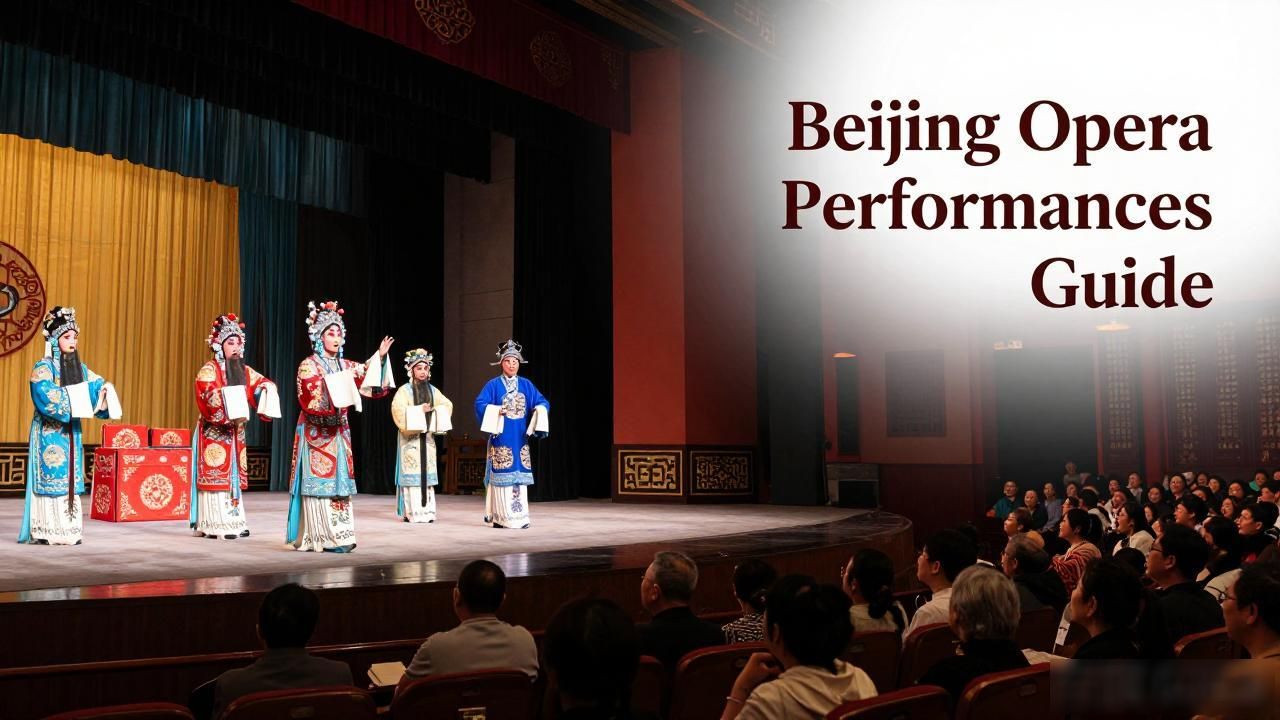
If you want zero tourist narration and top-tier casting, head to the China Grand Theatre or the Beijing Conservatory of Music. Seats cost a bit more, but the acoustics are tighter and the orchestra is larger. Book at least a week in advance through , especially for holiday weekends when good seats vanish fast.
You’ll walk out with a sore neck from craning your head to track those impossibly long water sleeves, and a weird new respect for an art form that has been telling stories this way for over two hundred years.