
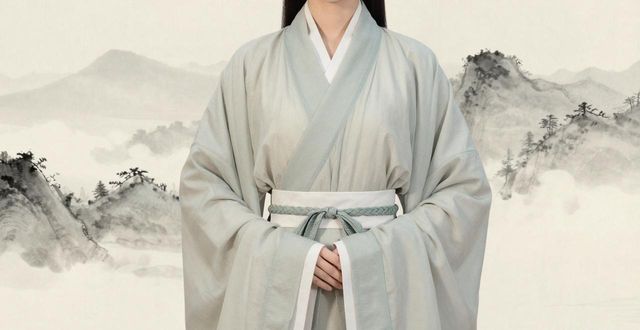
When you first encounter authentic Hanfu, you are stepping into centuries of handcrafted cultural heritage that reflects the unique aesthetic and social conventions of ancient China. These classic traditional outfits are never fancy cosplay or randomly “Chinese style” items found on fast fashion shelves, and each distinct cut and decoration tells the specific life, etiquette and daily stories of different dynasties. More and more global cultural lovers now begin to contact these real Chinese traditional garments, and they no longer treat Hanfu as a strange exotic costume for occasional dressing games, but expect to wear these authentic designs to experience a lasting gentle and elegant pulse from old Chinese civilization. Most new fans always face confusion during early exploration: they cannot tell the difference between a real Hanfu structure and later modified clothing, worrying that their purchase is not culturally accurate.
What defines authentic Hanfu styles

The defining mark that runs through all genuine Hanfu styles is the “Jiaoling Youren” the characteristic cross collar that wraps over the right side perfectly. Besides that core detail, the whole garment does not use any buttons in the waist core area, instead it adopts woven sashes to secure the fit to maintain soft and natural draping when moving. Most mass produced altered products use visible metal clasps and modern tight cuts to cater to fast fashion fit needs, but these changes break the quiet, flowing silhouette that classical Chinese craftsmen have pursued for generations. Verifying this marker is the most fundamental step that prevents new collectors from picking low cost imitations that lack sincere details passed down by old generations.
Hanfu style categories by dynasty
Every different dynasty left the most popular authentic Hanfu styles that carry the aesthetic trends of that specific historical period. The styles from Tang dynasty are known for the broad,breathable cut and lightweight wide sleeves that show the open and generous socialatmosphere back then. Song dynasty designs turned to a more restrained, slim fit with more muted soft color tones to match the era that valued scholarly elegance. Ming dynasty preserved very clear formal etiquette details on court and daily garments, with well recorded skirt patterns and clear waist structure that collectors now restore thoroughly. You can pick one specific dynasty as your starting point before you expand to try more styles across different eras.
How to pick first authentic Hanfu
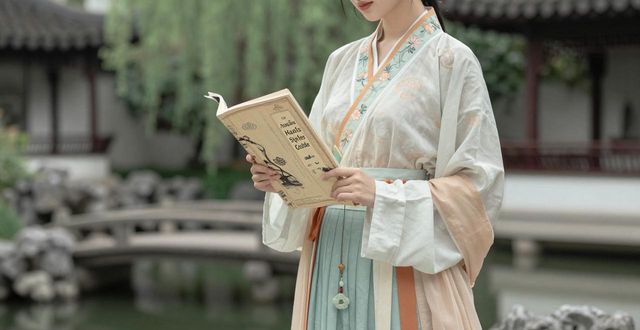
When selecting your first authentic Hanfu style, choose basic casual shapes such as a simple Zhiju that focuses on natural plain cotton and linen materials. Skip overly complicated embroideries and heavy multi layered skirt patterns before you feel comfortable with the wearing routine of Hanfu outfits. Look for ateliers that work with restoration recommendations from Chinese traditional garment researchers, instead of buying items labeled Hanfu blindly from generic marketplace brands. Gradually accustom yourself to soft fabric draping and traditional sash tying to properly enjoy the laid back, gentle feeling these garments bring.
Can you wear Hanfu daily in life
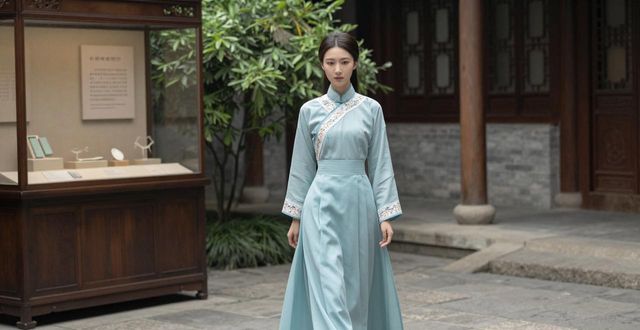
Wearing authentic Hanfu styles as daily casual clothes gets incredibly common and broadly accepted today in many cities both home and abroad. You do not need to wait for a special cultural event or costume party to put a set of well tailored, authentic Hanfu on for a trip to museum, walk in a garden or meet your friends for afternoon tea. After many years of inheritance and friendly improvement in materials, the structured design has already worked well with modern transportation, work or social routes. You do not need special permission or complicated settings any more to bring this slice of ancient clothing culture into your everyday experiences.
What part of these authentic traditional Hanfu style designs catches your eye first and what style do you plan to try in your own daily life soon, please drop your thoughts in the comment section, don’t forget to share this guide with your friends who also love Oriental classical cultural charm!