
What Makes Chinese Food Actually Authentic?
If you have ever ordered from a place called “Golden Dragon” on your phone and walked out disappointed, you are not alone. Most Chinese restaurants in Western countries were built to please local palates, not to serve real Chinese food. The menu reads like a fantasy — General Tso chicken, fortune cookies, and egg rolls stacked together like items from an American diner, not as dishes from a kitchen in Sichuan or Guangdong.
Real Chinese food starts with ingredients. Fresh herbs, fermented pastes, and locally sourced proteins separate an authentic kitchen from a frozen-waffle-style takeout spot. If you walk in and can smell wok hei — that smoky,seared aroma created by high-heat stir-frying — you are already on the right path. If the air smells more like old cooking oil and MSG, keep walking.

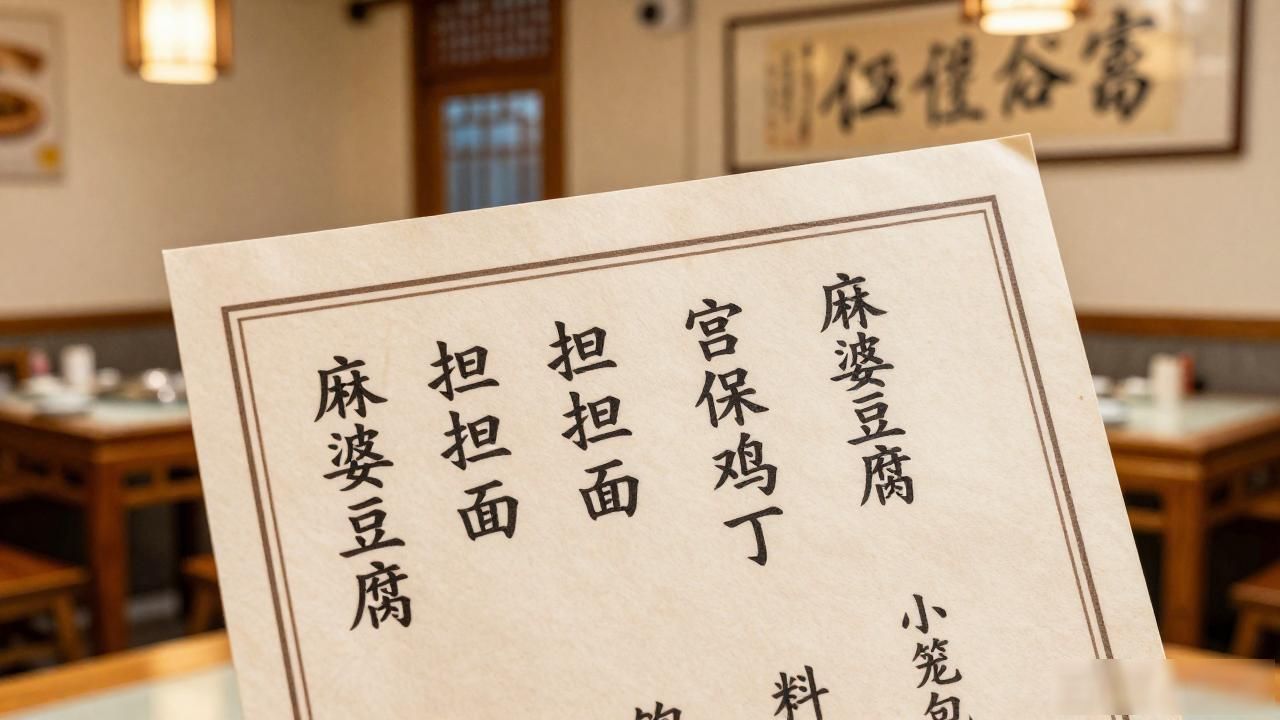
Another signal is the language on the menu. A genuine Chinese restaurant often lists dishes in both Chinese characters and English. If the English descriptions sound like they were translated by someone who has never tasted the food, something is off. Dishes like mapo tofu, dan dan noodles, and char siu bao carry histories and techniques that cannot be reduced to “spicy minced pork” or “BBQ bun.”
Where Locals Eat vs Tourist Traps
The easiest way to find real Chinese food is to follow the crowds — but not just any crowds. Look for lines forming outside a small shop with a faded sign, preferably one where the people waiting speak Mandarin or Cantonese. These are the places families come to on weekends, where the portions are generous and the prices are fair. Tourist areas always inflate prices and water down flavors, so steer clear of restaurants near major hotels or downtown attraction districts unless you have a trusted recommendation.
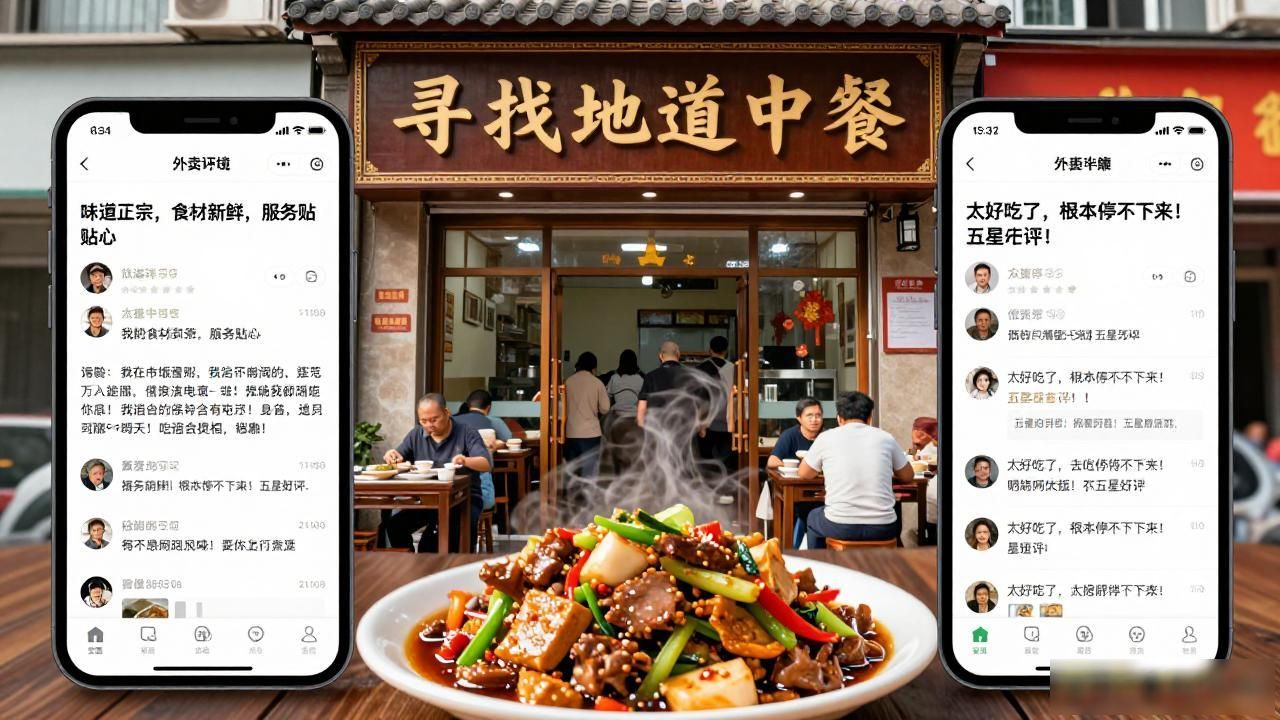
Food delivery apps can also mislead. High ratings and thousands of reviews do not guarantee authenticity. Many authentic spots simply do not bother with online platforms because their regular customers call or walk in. When you do search online, look beyond the star rating. Read the comments for keywords like “my grandmother would approve,” “tastes like home,” or “finally found real xiaolongbao.” Those phrases carry more weight than a generic five-star review.
Neighborhoods with dense Chinese populations are your best bet. Chinatowns are obvious choices, but smaller ethnic enclaves in suburban areas often hide the most honest kitchens. A small noodle shop in a strip mall in Flushing, Richmond Hill, or Monterey Park may serve food that rivals what you would find in Guangzhou or Chengdu, and it will cost less than a fraction of what a themed restaurant nearby charges.
Practical Tips for Finding Real Chinese Restaurants
Start by asking people who actually eat Chinese food regularly. Coworkers, friends, or neighbors who order takeout multiple times a week know more than any algorithm. A quick question like “Where do you actually go for real Chinese food?” will get you results faster than scrolling through dozens of listings.
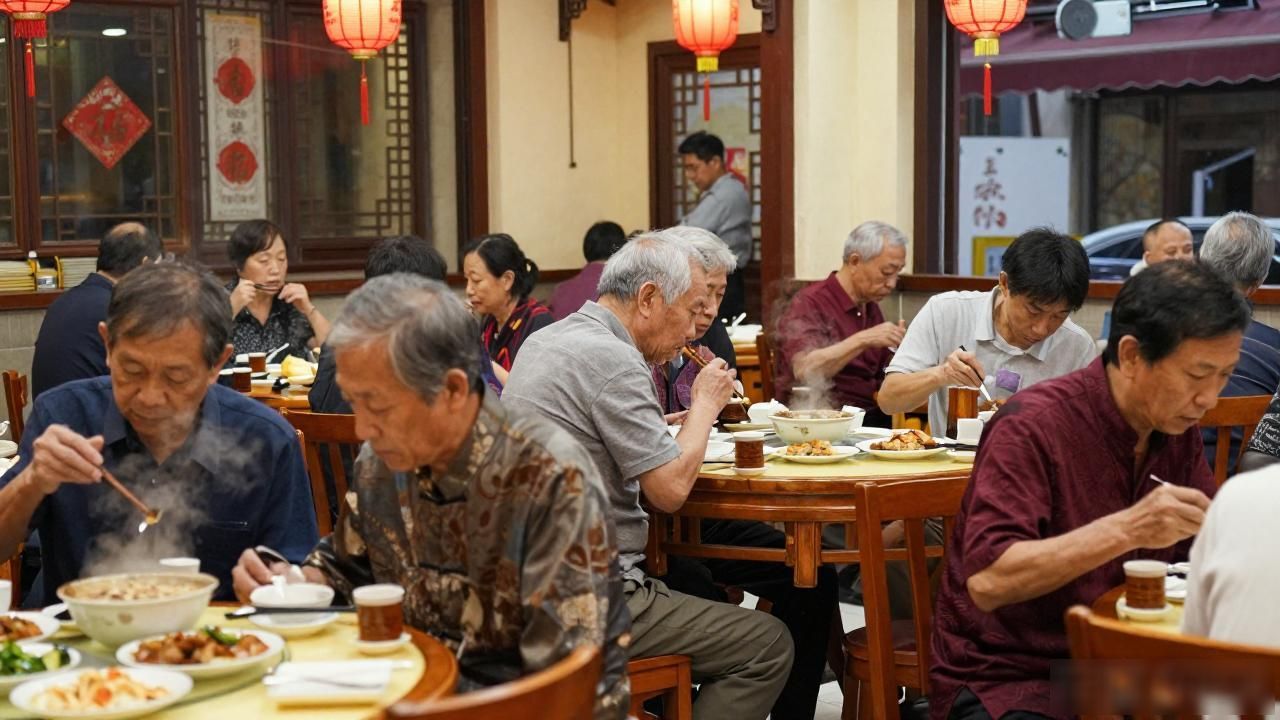
Watch the crowd inside. A restaurant full of elderly Chinese patrons eating quietly with chopsticks and tea is a strong indicator of quality. An empty restaurant during dinner hours in a Chinatown neighborhood usually means locals already know it is not worth visiting.
When you sit down, check the specials board or daily offerings. Authentic places often feature seasonal dishes and daily fresh preparations that change based on what the market provides. A static menu with the same thirty items listed year-round is a red flag.
Ask the staff what they recommend. If they seem surprised by the question or hesitate, it might mean the kitchen does not take pride in their own food. But if a waiter lights up and describes the dish with genuine enthusiasm, you are likely about to eat something real. Trust that instinct and follow it.