
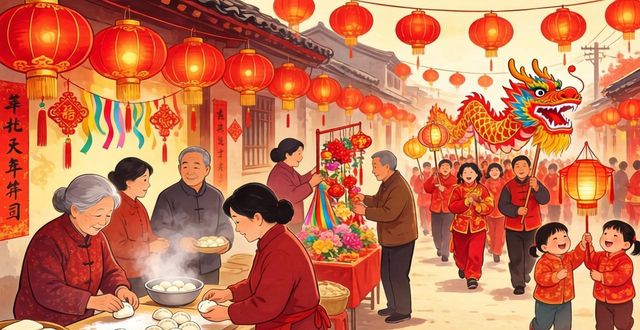
Chinese culture is deeply connected to its festivals, which are far more than just holidays. They are living expressions of history, philosophy, family values, and community bonds. For anyone looking to understand China, learning about its festivals is the best starting point. From the lively fireworks of the Lunar New Year to the quiet moon gazing of the Mid-Autumn Festival, each celebration tells a story about respect for nature, ancestors, and each other. This guide will walk you through the most important festivals and their cultural meanings, helping you appreciate why these traditions have lasted for thousands of years.
Why festivals matter in Chinese culture
Festivals in China are not just breaks from work; they are moments when the whole society reconnects with its roots. The lunar calendar, which guides most traditional festivals, reflects an agricultural past where people celebrated planting, harvesting, and seasonal changes. More importantly, festivals carry core Chinese values like filial piety (respect for parents and elders), harmony with nature, and gratitude for what you have. For example, the Qingming Festival is a day to clean ancestors‘ graves and honor their memory. This act reminds families that life is a chain, and each person plays a role in keeping it strong. Without festivals, these values might fade in modern life.

Another reason festivals matter is that they strengthen community ties. In villages and cities alike, people come together to prepare food, decorate streets, and hold parades. The Lantern Festival, which marks the end of the New Year celebrations, sees neighbors walking under glowing lanterns and solving riddles written on them. This shared joy builds trust and cooperation. For overseas Chinese, festivals become powerful anchors of identity. A Chinese-American family making dumplings for Lunar New Year is not just cooking – they are passing down a sense of belonging. Festivals turn abstract culture into real, everyday actions.
What happens during Spring Festival
Spring Festival, also known as Chinese New Year, is the biggest event of the year. It usually falls in late January or early February. Preparations start weeks ahead: people clean their homes thoroughly to sweep away bad luck, then decorate with red couplets and paper cuttings. Red symbolizes happiness and good fortune. On New Year‘s Eve, families gather for a reunion dinner, no matter how far they have traveled. The meal includes must-have dishes like fish (representing abundance) and dumplings (shaped like ancient gold ingots). Fireworks explode at midnight to scare away a legendary monster called Nian. Children receive red envelopes filled with money, which are said to bring luck.
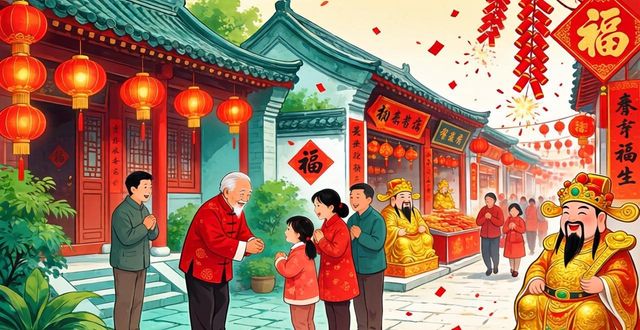
The celebration lasts fifteen days, each with its own customs. On the first day, people visit the eldest family members. On the second day, married daughters return to their parents‘ home. The fifth day is for welcoming the God of Wealth. Many businesses reopen on this day with firecrackers. Throughout this period, you will hear greetings like “Xin Nian Kuai Le” (Happy New Year) and “Gong Xi Fa Cai” (wishing you wealth). It is also a time for taboos: no sweeping or taking out trash during the first few days, because you might throw away good luck. Understanding these details helps outsiders see that Spring Festival is not just a party – it is a carefully structured ritual to reset life for a fresh start.
How other festivals express unique values
The Dragon Boat Festival, held on the fifth day of the fifth lunar month, honors the poet Qu Yuan, who drowned himself in protest against corruption. People race dragon-shaped boats and eat sticky rice dumplings wrapped in bamboo leaves, called zongzi. The story goes that villagers threw zongzi into the river to keep fish from eating Qu Yuan‘s body. More than a sad tale, this festival emphasizes loyalty, courage,and the importance of speaking up for justice. The boat races, with teams paddling in perfect rhythm, also show the power of collective effort – a value highly respected in Chinese culture.
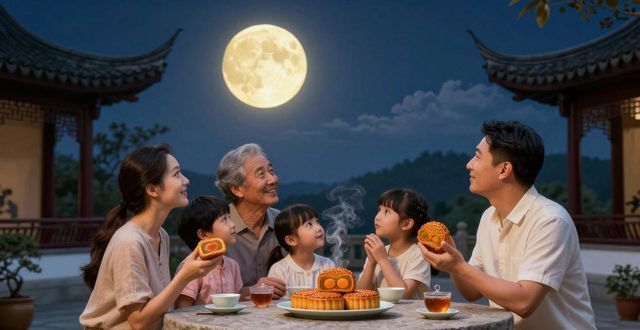
The Mid-Autumn Festival, around September or October, celebrates the moon and family reunion. People eat mooncakes – dense pastries filled with lotus seed paste or red bean, often with a salted egg yolk inside to resemble the full moon. Families sit outside to watch the moon, share stories about the goddess Chang‘e, and give thanks for the harvest. Unlike Western holidays that often focus on individuals, this festival pulls hearts toward home. If someone cannot return, they look at the same moon as their loved ones, feeling connected across distance. These festivals remind us that Chinese culture uses food, stories, and symbols to teach lessons about morality, loyalty, and love – lessons that everyone, regardless of background, can appreciate.
Now I’d love to hear from you: Which Chinese festival would you most want to experience in person, and why? Share your thoughts in the comments, and don’t forget to like and share this article with friends who are curious about world cultures