

Local hot pot restaurants are a cornerstone of Chinese social dining, yet many foreigners feel intimidated by the bubbling pots and unfamiliar ingredients. Don’t worry – this guide will turn you into a confident hot pot explorer. I’ll cover how to spot authentic local spots, what to order as a beginner, the secrets of the sauce bar, and proper eating etiquette. By the end, you’ll be dipping, cooking, and savoring just like a long-time local. The key is to relax and enjoy the process.
What is local hot pot
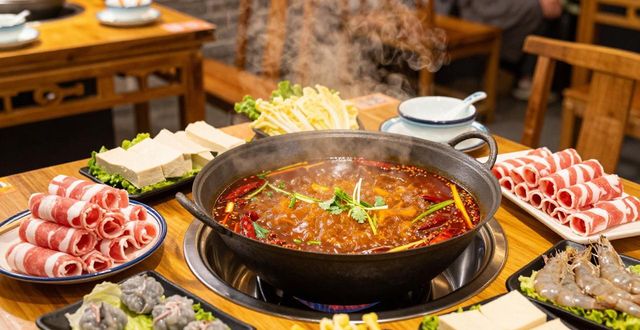
Unlike Western fondue, local hot pot restaurants serve a simmering metal pot of flavored broth in the center of your table. You are given raw plates of thinly sliced meats, fresh vegetables, tofu, mushrooms, and noodles. The idea is simple – you cook each piece by swishing it in the hot broth until done, then dip it in your personalized sauce before eating. The broth stays hot throughout the meal, often replenished with more liquid. Every region has its own style, from tongue-numbing Sichuan spicy broths to mild and savory Beijing copper pot broths.

The magic of local hot pot lies in customization. You control exactly how long each ingredient cooks – a few seconds for fatty beef slices, a minute for leafy greens, longer for root vegetables and meatballs. The shared pot creates a lively, communal atmosphere. Friends and families gather around, chatting and waiting for food to bob to the surface. Unlike ordering pre-made dishes, hot pot is participatory and slow-paced,making meals last for hours. For newcomers, the best approach is to start with a split pot – half spicy, half mild – so you can experiment.
How to choose a restaurant
Avoid hot pot chains in tourist malls. Instead, look for local hot pot restaurants on side streets or in residential areas. Two reliable signs: a queue of people waiting outside, and the smell of fragrant broth drifting from the door. Check online reviews on apps like Dianping (China’s Yelp) – look for places with scores above 4.5 stars and many photos of happy diners. Another trick: peek inside. If you see mostly Chinese families and groups of friends, you’ve found an authentic spot. If you see only tourists, keep walking.
Price is another indicator. A good local hot pot restaurant should feel affordable – expect to pay around 80-150 RMB ($12-22) per person for a satisfying meal with drinks. Extremely cheap places may use low-quality ingredients, while overly fancy ones might lose the rustic charm. Don’t be afraid of small, slightly worn-looking shops; they often have the most delicious broths passed down through decades. Lastly, choose a restaurant that offers a self-service sauce bar with at least ten options – that’s a sign they care about customization.
What to order for beginners
Start with the broth. If you can’t handle spice, order a “yuanyang” (mandarin ducks) split pot – one side mild mushroom or tomato broth, the other side medium-spicy Sichuan broth. For your protein, choose sliced beef brisket, lamb rolls, and shrimp paste. For vegetables, grab napa cabbage, tong ho (chrysanthemum greens), and enoki mushrooms. Don’t skip the frozen tofu – it soaks up broth like a sponge. And always add a plate of fresh noodles or rice cakes to fill you up at the end.
Avoid ordering too many items at once. A good rule for two people: two meat plates, one seafood (like shrimp or squid), three vegetable/mushroom plates, one starch (noodles or rice cakes), and one bean product (tofu or bean curd sticks). Ask the waiter for recommendations – most local hot pot restaurants have pictures on menus or QR codes with English translations. If you see “beef tripe” or “duck blood,” feel free to try them later, but stick to familiar cuts on your first visit. The key is variety without waste.
How to eat like a local
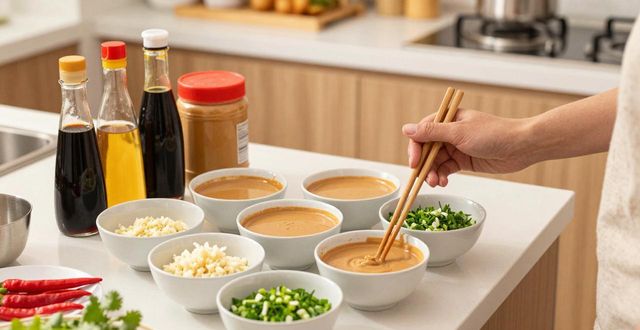
First, prepare your dipping sauce. At the sauce bar, start with a base of sesame paste or sesame oil. Then add minced garlic, chopped scallions, cilantro, and a dash of vinegar. For extra kick, stir in some chili oil or fresh chilies. Avoid taking every sauce – locals usually combine 4-5 ingredients that complement each other. Mix well in your small bowl. Next, cooking order: start with meats and dense items like meatballs, as they take longer. Add leafy greens last, because they absorb too much spice and oil if cooked early.
Never put raw meat directly into your mouth – always let it cook fully. Use your public chopsticks (or the provided serving spoons) to place raw ingredients into the pot, then switch to your personal chopsticks for eating. When the meat turns color and floats, it’s usually done. Thin beef slices need only 10-15 seconds. Don’t overload the pot – cook a few pieces at a time so you don’t lose track. Finally, after finishing the solid food, pour the remaining broth into your bowl (if it’s not too spicy) as a soup, or ask for rice to soak up the flavorful liquid. That’s how locals end a satisfying hot pot meal.
Now I’d love to hear from you – what’s the most unusual ingredient you’ve ever tried at a local hot pot restaurant, or what question do you still have about eating hot pot in China? Share your story or ask for tips in the comments below. If you found this guide helpful, hit the like button and share it with a friend who’s planning their first hot pot adventure. Let’s build a community of hot pot lovers!