
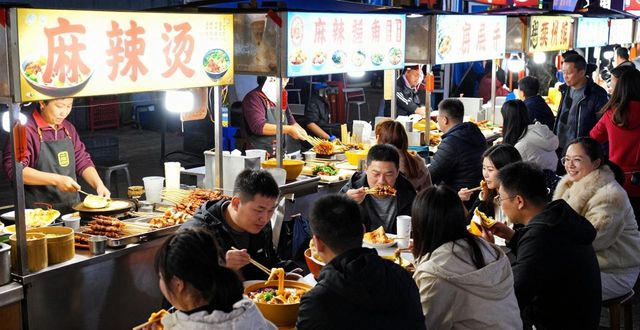
China‘s street food scene is a dazzling world of sizzling woks, fragrant spices, and endless variety. From the bustling night markets of Xi’an to the tiny alleyways of Shanghai, these affordable bites tell the story of local culture and culinary innovation. Having traveled across dozens of cities to sample everything from spicy hot pots to sweet pastries,I’ve learned what works and what doesn’t. This guide cuts through the noise to give you honest, practical advice on the best street eats, safety tips, and hidden secrets that most tourists never discover.
What are the must-try street foods
Start with jianbing, a crispy savory crepe filled with egg, cilantro, and hoisin sauce – it’s China’s ultimate breakfast on the go. Then hunt down yangrou chuan (lamb skewers) marinated in cumin and chili, grilled over charcoal until smoky and tender. For the brave, stinky tofu offers a pungent fermented flavor that rewards adventurous eaters with a creamy, umami-rich interior. Don’t miss xiaolongbao (soup dumplings) from street carts that steam them fresh, or liangpi (cold noodles) tossed in vinegar, chili oil, and fresh cucumber. Each region boasts specialties: roujiamo (Chinese hamburger) in the north, and oyster omelets along the southern coast.

Is street food hygienic in China
The short answer is yes – if you know what to look for. Hygiene standards have improved dramatically over the past decade, with many cities requiring vendors to display health certificates and wear gloves. Watch for stalls with long queues of locals; that’s usually a sign of fresh turnover and safe practices. Avoid vendors who handle cash and food with the same hand, or who have pre-cooked items sitting out uncovered. Look for bubbling hot oil or steaming broth, as high temperatures kill most bacteria. Stick to busy night markets rather than isolated carts, and bring your own wet wipes. Most importantly, trust your nose – if something smells off, walk away.
How to find authentic local stalls
Skip the shiny food courts and head to residential neighborhoods after 6 PM. Authentic street food thrives where families live, not where souvenir shops cluster. Use apps like Dianping (China’s Yelp) to see real-time ratings and photos from local eaters. Another trick: follow the smoke and noise. The best stalls often have a crowd clustered around, laughing and chatting while they wait. Look for older vendors who have been working the same corner for years – they take pride in their recipes and won’t risk cutting corners. In big cities like Chengdu and Guangzhou, ask your hotel’s concierge or a taxi driver where they eat after work. They’ll point you to hidden gems you’d never find on your own.
What is the average price range
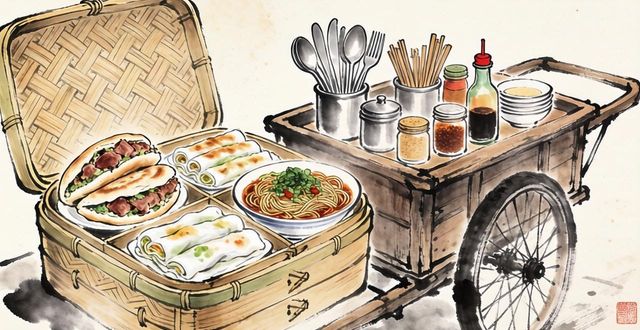
You can eat like a king on less than $5 USD. Most single items cost between 2 and 15 yuan (roughly 30 cents to $2). A hearty jianbing might set you back 8 yuan, while five lamb skewers cost around 10 yuan. Noodle soups and rice bowls typically run 12–18 yuan. Even premium items like grilled squid or fried crab sticks rarely exceed 20 yuan. For a full meal sampling three or four different dishes, expect to pay 30–50 yuan ($4–7). The only exception is tourist-heavy areas like Beijing’s Wangfujing night market, where prices can double. Always ask the price before ordering if there’s no menu displayed. And carry small change – many vendors don’t accept digital payments from foreign cards.
When is the best time to eat street food
Evening hours from 6 PM to midnight offer the widest selection and liveliest atmosphere. That’s when night markets fully open and office workers flood the streets for dinner. However, early birds should not ignore breakfast street food from 6 AM to 9 AM. Fresh soy milk, youtiao (fried dough sticks), and steamed buns appear at temporary morning stalls that vanish by noon. For the freshest seafood, visit coastal night markets after 8 PM when new shipments arrive. Avoid the late afternoon lull between 2 PM and 5 PM, as many vendors close for restocking. In summer, go after 7 PM to escape the heat and enjoy cooler evening breezes. Winter brings its own charm – steaming hot pots and roasted sweet potatoes taste best on cold nights.
Why is street food so popular in China
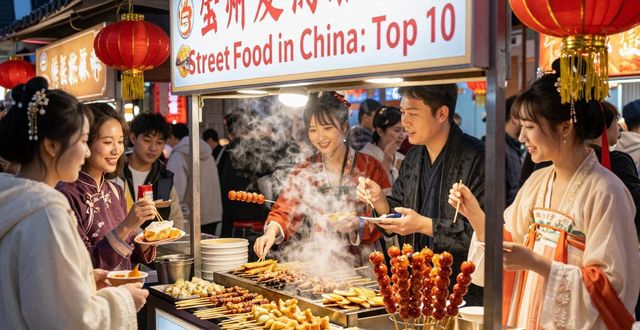
Convenience is king in China’s fast-paced cities. Street food saves time, money, and cleanup for millions of workers who don’t have the luxury of home cooking. But it’s more than practicality – it’s social glue. Sharing a plastic stool and a pile of skewers with friends builds community. The open-air kitchens let you watch every step of preparation, creating trust and theater. Street food also preserves regional identities; you can taste the difference between Sichuan’s numbing spice and Hunan’s dry heat within one bite. For many Chinese people, the smell of egg waffles or stinky tofu triggers fond childhood memories of walking home from school. It’s democracy on a plate – rich and poor, young and old, all standing shoulder to shoulder.
Have you ever tried a Chinese street food that completely surprised you? Share your favorite discovery or biggest disaster in the comments below, and don’t forget to hit like and share if you’re craving a night market adventure
very good