
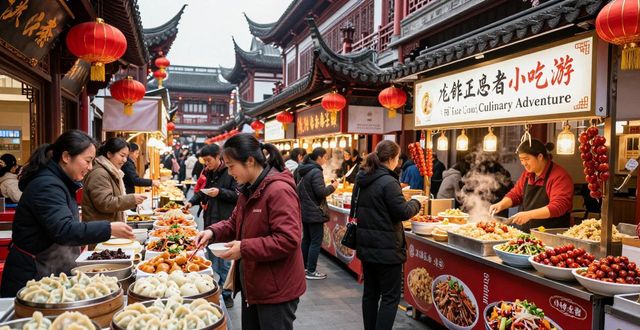
China’s food culture is one of the world’s most diverse and fascinating, shaped by thousands of years of history, geography, and local traditions. A food tour here is not just about eating—it’s about understanding the soul of a civilization through its flavors, cooking methods, and dining customs. From spicy Sichuan hotpots to delicate Cantonese dim sum,every region offers a unique story. This guide will help you navigate the must-try dishes, regional differences, and practical tips for an unforgettable culinary journey.
Regional Flavors You Cannot Miss
Chinese cuisine is often divided into eight major culinary traditions, each with distinct ingredients and techniques. Sichuan and Hunan cuisines are famous for their bold use of chili and Sichuan peppercorns, creating a numbing-spicy sensation known as mala. If you visit Chengdu, try mapo tofu or kung pao chicken straight from a local street stall. Meanwhile, Guangdong (Canton) offers lighter, fresher flavors—steamed fish, roasted meats, and endless varieties of dim sum. For a completely different experience, head north to Beijing for its world-famous Peking duck, roasted until the skin is crackling and served with pancakes, cucumber, and sweet bean sauce.

Eastern regions like Jiangsu and Zhejiang emphasize sweetness and elegance, with dishes such as squirrel-shaped mandarin fish and braised pork belly. In contrast, the northwestern province of Shaanxi is known for its hearty wheat-based foods, like hand-pulled noodles and the iconic roujiamo (Chinese hamburger). A food culture tour should also cover the spicy and sour flavors of Yunnan, where wild mushrooms, edible flowers, and cross-bridge rice noodles dominate. Don’t forget Shanghai, where xiaolongbao (soup dumplings) burst with rich broth as soon as you bite into them. Each region tells a different story of climate, agriculture, and history.
How to Eat Like a Local
Understanding table manners is key to enjoying your China food culture tour. Unlike in the West, meals are typically shared family-style, with dishes placed in the center and everyone using their own chopsticks. It’s polite to serve others before serving yourself, especially elders or hosts. When lifting food, never stick chopsticks upright into a bowl of rice—this resembles incense sticks used at funerals and is considered very unlucky. Also, avoid pointing with chopsticks or using them to spear food. If you need a break, rest them on a chopstick rest or across your bowl.
Another local habit is making slurping sounds when eating noodles or drinking soup; it’s a sign that you’re enjoying the meal. In many restaurants, you’ll be given a small plate and a bowl. Use the bowl to hold rice or soup, and the plate for bones or scraps. Tea is often free and constantly refilled—tapping two fingers on the table is a silent gesture of thanks to the pourer. While tipping is not traditionally practiced in China, some upscale urban restaurants may add a service charge. The most important rule? Be adventurous. Don’t hesitate to try dishes like chicken feet, duck tongue, or stinky tofu—they’re local favorites for good reason.
Essential Street Foods for Your Tour
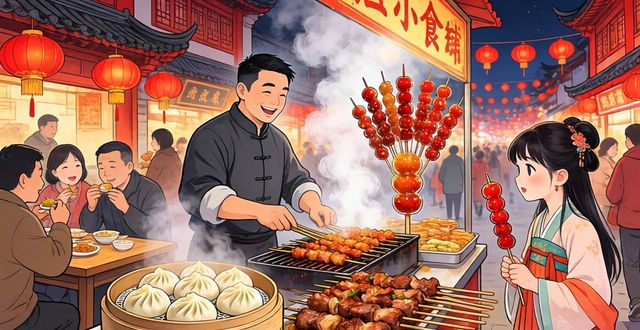
No China food culture tour is complete without exploring the bustling night markets and street stalls. These are where ordinary people eat, and the prices are wonderfully low. In Beijing, look for jianbing (savory crepe) sold from morning carts—a hot batter spread with egg, scallions, cilantro, crispy cracker, and hoisin sauce. For something sweet, try tanghulu, skewered candied hawthorn berries that are crunchy and tart. As you travel south to Xi’an, the Muslim Quarter offers yangrou paomo (lamb soup with crumbled flatbread) and liangpi (cold jelly noodles tossed in spicy vinegar sauce).
Shanghai’s street food scene includes shengjianbao (pan-fried pork buns), which are crisp on the bottom and juicy inside. In Hong Kong (though a special region), egg waffles and curry fish balls are legendary. Chengdu’s night markets are a paradise for spice lovers: try chuan chuan (skewers of meat and veg simmered in a bubbling pot of chili oil) and dandan noodles. Always look for stalls with long queues—they’re the surest sign of quality and safety. Carry small change, bring wet wipes, and pace yourself. Street food is not just a meal; it’s a window into daily life and the creativity of Chinese cooks.
Tea Culture and Its Role in Meals
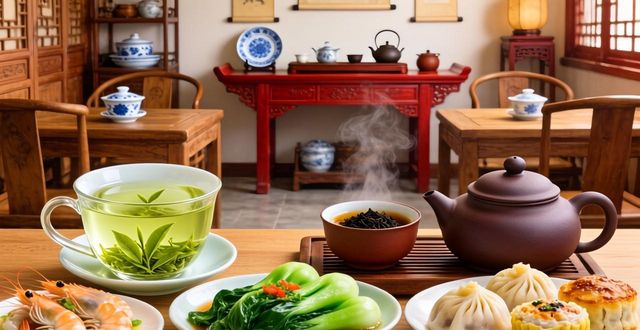
Tea is inseparable from China’s food culture. Different teas are paired with different dishes to cleanse the palate and aid digestion. Green teas like Longjing (Dragon Well) from Hangzhou are light and grassy, perfect with seafood or steamed vegetables. Oolong teas, such as Tieguanyin, have roasted, floral notes that complement fried or fatty foods. Pu’er, a fermented dark tea from Yunnan, is rich and earthy—often served after heavy banquets to reduce greasiness. On a food tour, you’ll encounter tea in many forms: as a welcome drink, served with dim sum, or even used as a cooking ingredient (think tea-smoked duck).
Participating in a traditional tea ceremony will deepen your appreciation. The host may warm the cups, rinse the leaves, and pour the tea in small, successive steeps. Remember to receive a cup with both hands as a sign of respect and to tap the table twice when someone refills yours. In some regions, tea is also part of wedding or apology rituals. If you want to bring home Chinese tea, visit a dedicated tea market or a reputable shop—avoid buying from touristy souvenir stands. A cup of good tea is like a memory of your journey, lingering long after the last bite.
Have you ever tasted a Chinese dish that completely changed your view of food culture? Share your story in the comments below, and don’t forget to like and pass this guide to fellow travelers planning their own China food culture tour