
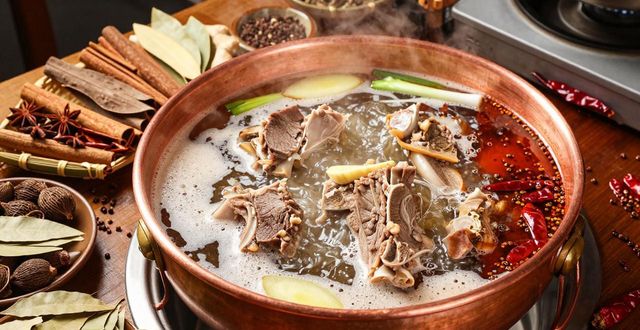
When it comes to communal dining experiences, few dishes capture the soul of Chinese cuisine like hot pot. But what truly separates an authentic hot pot from a mediocre one lies in the depth, balance, and heritage of its flavors. Unlike Western soups or stews, authentic hot pot is a symphony of umami, spice, and aromatics that simmer together to create a broth you can cook in, sip, and savor. For many foreigners, the first encounter can be overwhelming—so many ingredients, sauces, and unknown spices. However, once you understand the core elements that define genuine hot pot flavors, you’ll never look at a simmering pot the same way again. This guide breaks down the essential components, from the broth bases to the dipping rituals, so you can appreciate—and even recreate—the real deal.
What makes a broth truly authentic

Authentic hot pot broth starts with hours of simmering bones, often beef or pork, combined with dozens of traditional Chinese herbs and spices. The most famous example is the spicy mala broth from Chongqing, which gets its signature numbing sensation from Sichuan peppercorns and its deep red color from dried chili peppers and beef tallow. Unlike quick broth cubes, a genuine mala base requires frying the spices in tallow to extract oil-soluble flavors, then adding stock and letting it cook for at least four to six hours. The result is a complex, layered flavor that hits you with heat first, then a tingling numbness, and finally a rich savory finish. Many restaurants guard their recipes like family secrets, passing them down for generations. On the other side of the spectrum, clear broths like mushroom or tomato focus on purity—using dried shiitake, goji berries, and jujubes to create a naturally sweet and earthy base. Without these slow-cooked foundations, any hot pot is just boiling water with seasoning.
How to build an authentic dipping sauce
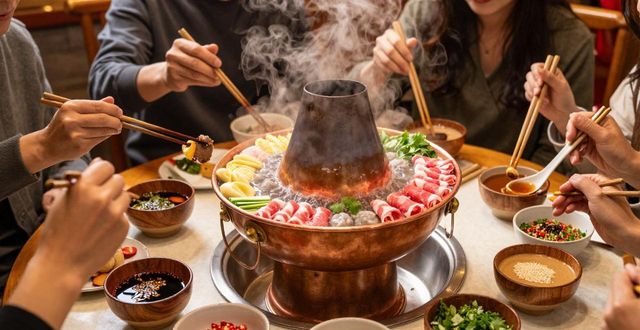
One of the biggest surprises for newcomers is that authentic hot pot relies heavily on a personalized dipping sauce. The broth itself is flavorful but not meant to be the sole star; instead, you dip cooked ingredients into a small bowl of sauce that complements and amplifies the taste. A classic, foolproof combination starts with a base of sesame paste or sesame oil, then adds minced garlic, chopped cilantro, and finely sliced scallions. For a tangy kick, include Chinese black vinegar or a squeeze of lime. For heat lovers, a spoonful of chili oil or fresh chopped bird’s eye chilies works wonders. What makes the sauce “authentic” is the balance—never overpowering the natural flavor of the meat or vegetable, but enhancing it with nuttiness, freshness, and a hint of acidity. In northern China, people often use fermented bean curd and leek flower sauce; in Sichuan, they favor a garlicky oil dip. The key is to taste and adjust, because no two bowls are exactly alike. Remember, skip the soy sauce floods—it masks the broth’s subtlety.
Must-have ingredients for the real experience
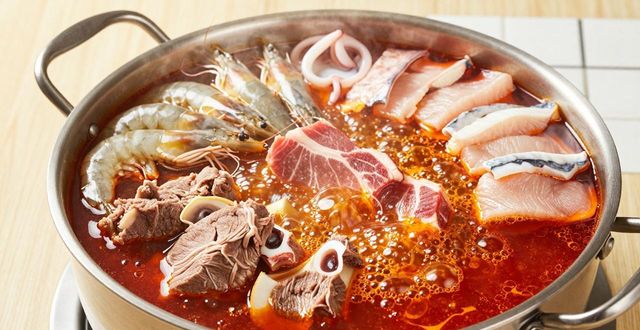
Authentic hot pot isn’t just about the broth and sauce; the ingredients you choose are equally critical. Start with thinly sliced meats—lamb shoulder and ribeye are standards, because they cook in seconds and absorb flavors beautifully. For seafood, fresh shrimp, squid, and fish fillets add sweetness,while beef tripe and pork intestine offer chewy textures beloved by connoisseurs. Vegetables should include napa cabbage, crown daisy, and enoki mushrooms; these release their own subtle flavors into the broth, making each subsequent bowl richer. Tofu comes in many forms: firm tofu, fried tofu puffs, and silken tofu all provide different mouthfeels. And don’t forget noodles or rice cakes at the end—they soak up the concentrated broth for a satisfying finish. What you won’t find in an authentic setting are processed cheese balls or mayonnaise-based dips; those are western adaptations. Instead, look for handmade meatballs (pork or fish) and fresh tofu skin. The philosophy is simple: high-quality, minimally processed ingredients that let the broth shine.
After exploring these layers of flavor, have you ever tried making your own authentic hot pot at home, and what ingredient or sauce combination surprised you the most? Share your thoughts in the comments, give this a like if you’re hungry for real hot pot, and pass it along to friends who need a flavorful adventure.