
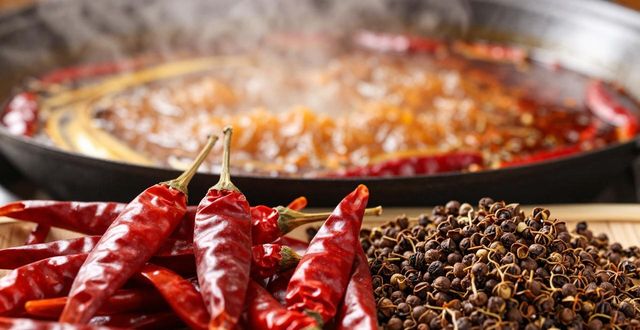
If you think all Chinese food is sweet and sour, get ready for a fiery wake-up call. Spicy food in China is not just a taste—it’s a culture, a lifestyle, and for many foreigners, a challenge. From the mouth-numbing Sichuan peppercorns to the throat-burning Hunan chilies, China’s love affair with heat runs deep. After living here for years and sweating through countless hot pot sessions, I want to share what I’ve learned. This guide will help you understand why Chinese people love spicy food, what makes it unique, and how you can enjoy it without setting your mouth on fire.
Why Sichuan food is so numbing and spicy

The secret behind Sichuan cuisine’s unique kick is the combination of dried chilies and Sichuan peppercorns. While chilies provide the familiar heat, the peppercorns create a tingling, numbing sensation called “ma” in Chinese. This duo produces a complex flavor profile that scientists call “tingling and burning.” For first-timers, it feels like your tongue is vibrating. But locals will tell you that this numbness actually makes you eat more, because your mouth keeps recovering and craving another bite. Unlike pure capsaicin burn, the Sichuan style allows you to taste the underlying flavors of the meat and vegetables.
What are the health benefits of eating spicy food
Many Chinese believe that spicy food helps balance the body’s internal energies, especially in humid regions like Sichuan and Hunan. The heat from chilies makes you sweat, which in traditional Chinese medicine helps expel “dampness” from your system. Modern science backs this up: capsaicin boosts metabolism, reduces inflammation, and even releases endorphins that make you feel happy. I’ve noticed that after a truly spicy meal, my sinuses clear up and I feel more energized. Of course, too much can upset your stomach, so start slow. But don’t be surprised if your Chinese friends tell you that eating spicy food makes them live longer.
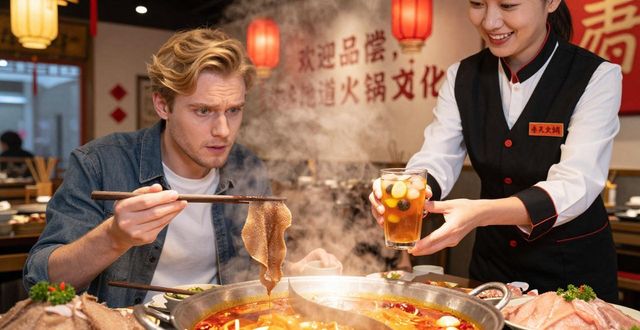
How to survive your first hot pot experience
Walking into a Sichuan hot pot restaurant for the first time can be intimidating. You’ll see bubbling red oil filled with dried chilies and floating peppercorns. Here’s my survival advice: always order a split pot with one side of mild broth. Dip your meat and vegetables into the spicy side for just a few seconds at first. Prepare a bowl of sesame oil, garlic, and a little vinegar—this coating actually soothes the heat. And never drink cold water right after a spicy bite; the oil will cling to your throat worse. Instead, sip warm tea or eat some rice. Most importantly,don’t try to be a hero. Your Chinese friends will respect you more if you admit it’s too hot than if you cry silently.
What are the spiciest dishes you must try in China
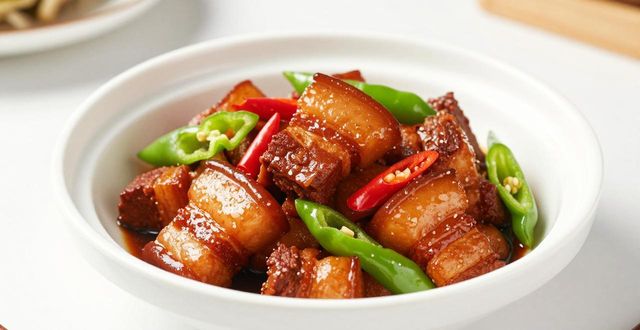
Beyond hot pot, several iconic dishes will test your limits. Hunan’s “chairman’s red-braised pork” uses fresh green and red chilies in a way that feels cleaner but more aggressive than Sichuan heat. Guizhou’s sour-spicy fish soup combines pickled chilies with tomatoes for a tangy, lingering burn. Then there’s Chongqing’s “la zi ji” (chicken with chilies), where you dig through a mountain of dried red peppers to find tiny, crispy chicken pieces. And for the truly brave, Fuguang’s “ghost pepper chicken” uses some of the world’s hottest chilies. I recommend building up your tolerance over months. Start with mild dishes like mapo tofu (ask for less “ma”) and slowly work your way up.
Now I’m curious: what’s the spiciest Chinese dish you’ve ever tried, and did you finish it? Drop your story in the comments below, and don’t forget to share this guide with fellow spice explorers. Your likes and shares help more travelers survive the heat.